


Best Single Serve Coffee Maker Without Pods in 2026
The morning ritual begins with a simple question: how do we brew something extraordinary without compromise? The best single serve coffee maker without pods gives you full control over your coffee journey, eliminating plastic waste while honoring the beans themselves. These machines range from automatic grind-and-brew wonders to elegant pour-over setups, each designed to deliver a single perfect cup without the environmental guilt or flavor limitations of pre-packaged pods. Let me walk you through the landscape of pod-free single-serve brewing, where sustainability meets craftsmanship in your morning routine.
Why Pod-Free Single Serve Coffee Matters
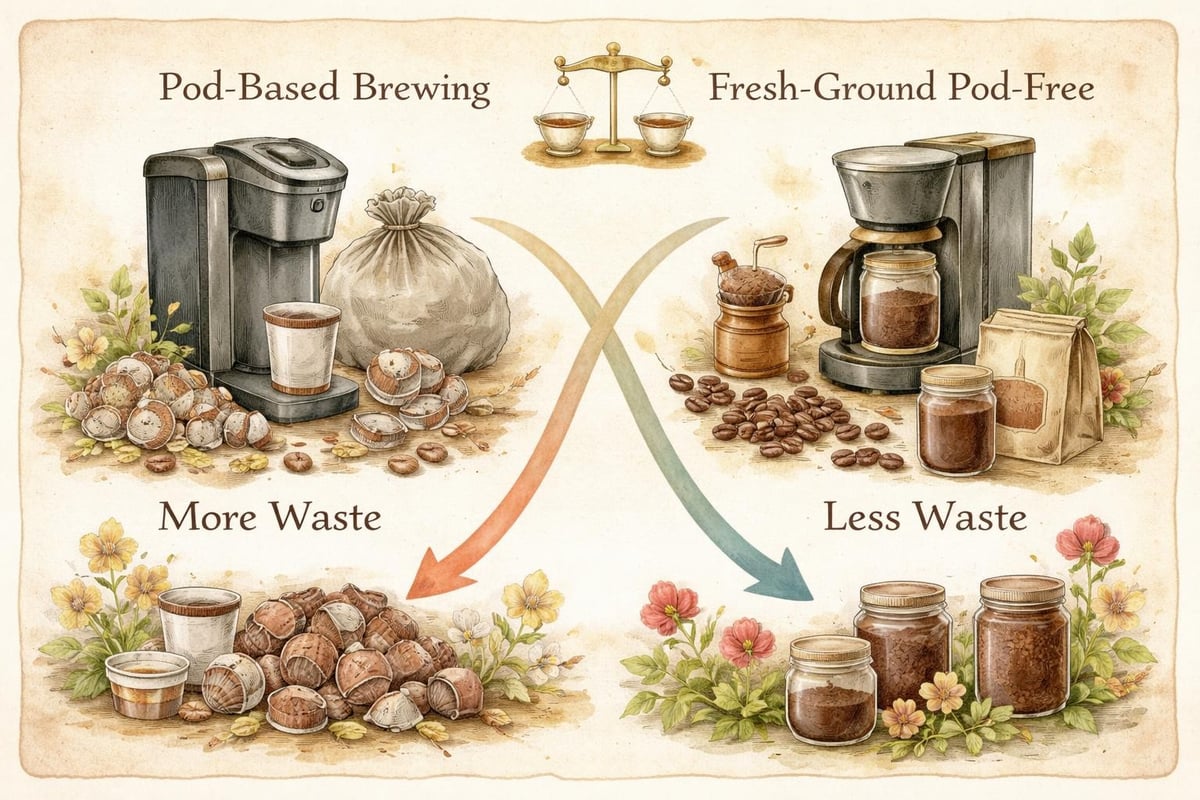
The coffee world has awakened to a simple truth: pods create mountains of waste that outlive the fleeting pleasure of convenience. Every year, billions of plastic and aluminum capsules end up in landfills, their brief moment of utility overshadowed by centuries of persistence in the earth.
Pod-free brewing returns agency to your hands. You choose the beans, control the grind size, adjust water temperature, and determine brew strength. This isn't just about sustainability, though that matters deeply. It's about tasting coffee as it was meant to be experienced: fresh, complex, alive with the terroir of its origin.
The ritual slows down. You measure beans, listen to the grinder's familiar rumble, watch water bloom through grounds. These moments create space in hurried mornings, transforming caffeine delivery into something more intentional. Good Housekeeping's guide to single-serve coffee makers emphasizes this shift toward mindful brewing practices.
Environmental impact aside, pod-free systems offer superior coffee quality. Pre-ground pods sit for months, their aromatic compounds fading behind hermetic seals. Freshly ground beans release oils and fragrances that define specialty coffee, nuances that simply cannot survive the pod production timeline.
Types of Single Serve Coffee Makers Without Pods
Automatic Grind-and-Brew Systems
These machines handle everything from whole bean to finished cup. Built-in burr grinders pulverize beans moments before brewing, preserving volatile aromatics that give coffee its character. You wake up, add beans and water, press a button, and receive cafe-quality coffee in minutes.
Modern models feature programmable settings for grind coarseness, brew strength, and temperature. Some remember your preferences, greeting you each morning with consistency. The Ninja Prestige DualBrew System, as reviewed by TechRadar, offers this automation alongside impressive versatility.
Key benefits include:
- Fresh grinding preserves maximum flavor
- Programmable timers for wake-up brewing
- Adjustable strength settings
- Minimal counter footprint
- One-button simplicity
The tradeoff? These machines require regular cleaning. Coffee oils accumulate in grinding chambers and brew baskets, turning rancid if neglected. Budget ten minutes weekly for maintenance, and they'll serve you faithfully for years.
Manual Pour-Over Makers
Pour-over brewing represents coffee at its most contemplative. Single-serve pour-over devices, whether ceramic drippers or specialized brewers, demand your presence. You heat water to precise temperatures, wet the grounds in circular motions, control flow rates that extract sugars and acids in balanced measures.
This hands-on approach connects you to variables that automatic machines hide. The best single serve coffee maker without pods in this category might be a simple Hario V60 or a more sophisticated Ratio Single Serve brewer. Each cup becomes a small meditation, your attention focused on bloom time and drawdown.
The learning curve rewards patience. Early brews might taste thin or bitter as you calibrate technique. But once you find your rhythm, pour-over delivers clarity and brightness that illuminates each bean's unique personality. Similar to the ritual described in Pixies Brew's pour guide, this method transforms brewing into ceremonial practice.
| Feature | Grind-and-Brew | Pour-Over | French Press Style |
|---|---|---|---|
| Automation | High | None | Low |
| Flavor Control | Moderate | Complete | Moderate |
| Time Required | 5-7 min | 3-4 min | 4-5 min |
| Learning Curve | Minimal | Steep | Gentle |
| Cleanup Effort | Moderate | Minimal | Minimal |
Reusable Pod Systems
Some machines originally designed for pods now accept refillable alternatives. You fill reusable steel or silicone pods with your chosen grounds, insert them like disposables, and brew as usual. This hybrid approach preserves convenience while eliminating single-use waste.
Quality varies significantly across reusable pod designs. Well-engineered versions feature fine mesh that prevents sediment while allowing proper extraction. Cheaper models leak grounds or restrict water flow, producing weak, gritty coffee that defeats the purpose.
What to Look for When Choosing Pod-Free Brewers
Brew Quality and Temperature Control
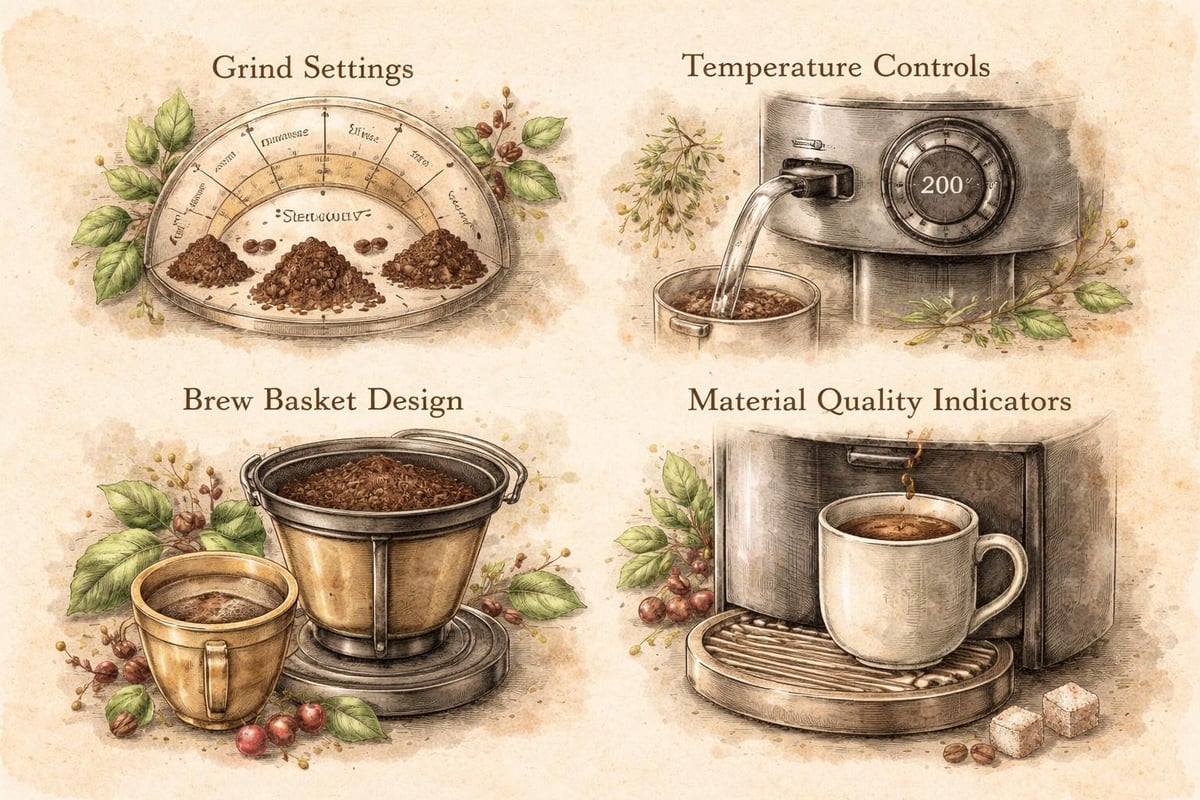
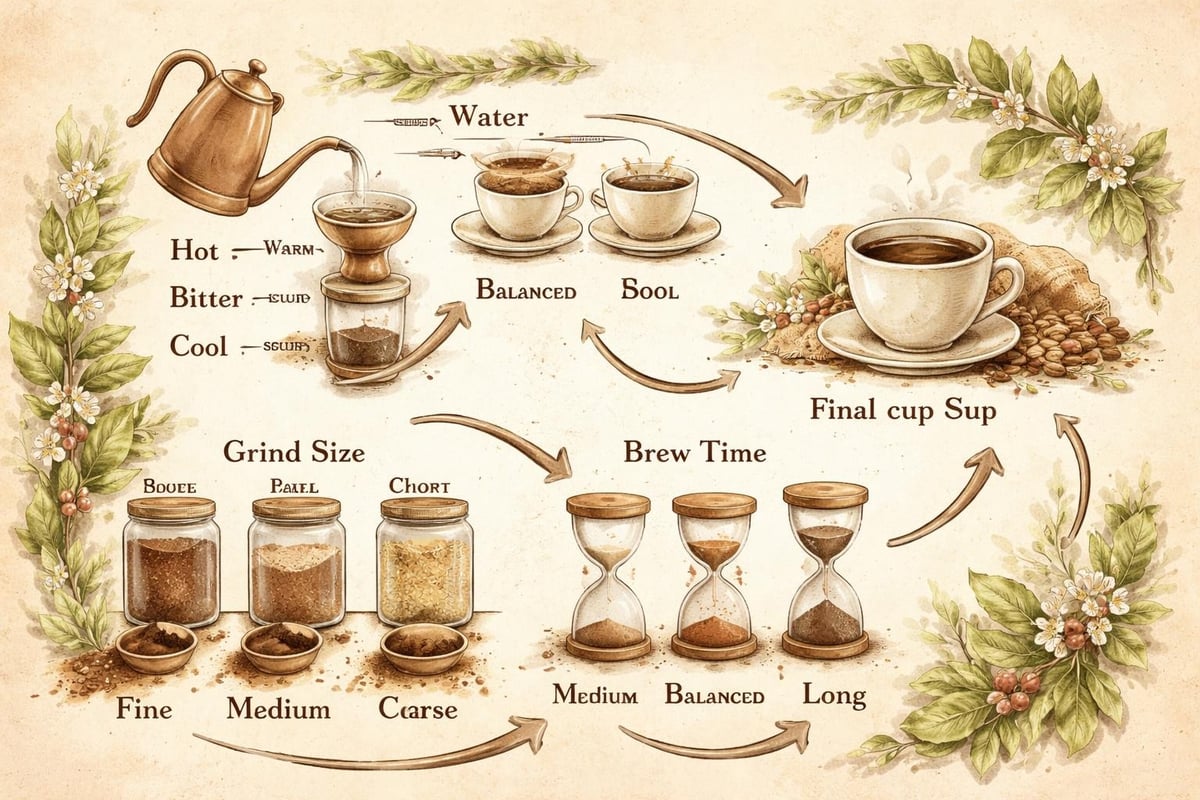
Water temperature determines extraction efficiency. Too cool, and you'll under-extract, creating sour, weak coffee. Too hot, and you'll scald grounds, pulling bitter compounds that overwhelm delicate flavors. The sweet spot lives between 195°F and 205°F, and the best single serve coffee maker without pods maintains this range consistently.
Look for machines with thermal stability features: heating elements that maintain temperature throughout the brew cycle, pre-infusion modes that saturate grounds before full extraction, and insulated brew chambers that prevent heat loss. Tom's Guide's coffee maker reviews provide detailed temperature performance data across models.
Brew time matters too. A proper single-serve extraction takes three to five minutes, allowing water sufficient contact with grounds to pull sugars, oils, and aromatic compounds. Faster isn't better; it's incomplete.
Capacity and Versatility
Single-serve doesn't mean one-size-fits-all. Quality machines accommodate various cup sizes, from concentrated six-ounce pours to generous twelve-ounce mugs. Adjustable brew volumes let you match output to your morning mood or afternoon energy dip.
Versatility features worth considering:
- Multiple brew strength settings
- Adjustable grind coarseness (for grind-and-brew models)
- Removable water reservoirs for easy filling
- Compatibility with travel mugs
- Hot water dispensing for tea or instant foods
Some brewers excel at coffee but fail at adaptability. A machine that only produces eight-ounce cups limits your options, forcing compromises rather than serving your actual preferences.
Build Quality and Longevity
Coffee makers occupy counter space for years, ideally. Construction materials signal durability expectations. Stainless steel components resist corrosion from acidic coffee and hard water. BPA-free plastics matter for health-conscious households. Glass carafes and ceramic brew chambers maintain temperature without imparting flavors.
Check warranty terms. Manufacturers confident in their products offer two to three-year coverage. Single-year warranties often indicate planned obsolescence, machines designed to fail just beyond the coverage window.
Top Recommendations for Different Brewing Styles
For the Automation Enthusiast
If mornings feel rushed and you need excellent coffee without ceremony, grind-and-brew automatics deliver. The Breville Grind Control stands out for precise temperature management and customizable grind settings. It remembers your preferences, delivers consistent results, and requires minimal intervention beyond adding beans and water.
The Chefman Caffeinator, while simpler, offers impressive performance at a lower price point. Its compact design suits small kitchens, and compatibility with standard ground coffee eliminates dependency on specific pod formats.
For the Ritual Seeker
Manual pour-over setups reward those who view brewing as meditation rather than mere caffeine delivery. The Ratio Single Serve combines beautiful design with precise engineering, heating water to optimal temperatures and dispensing it in shower-head patterns that ensure even saturation.
Simpler still, a quality ceramic dripper paired with a gooseneck kettle costs a fraction of automatic machines while producing exceptional coffee. You control every variable, learning how adjustments affect flavor. This path deepens coffee knowledge organically, each cup teaching lessons about extraction, water chemistry, and bean characteristics.
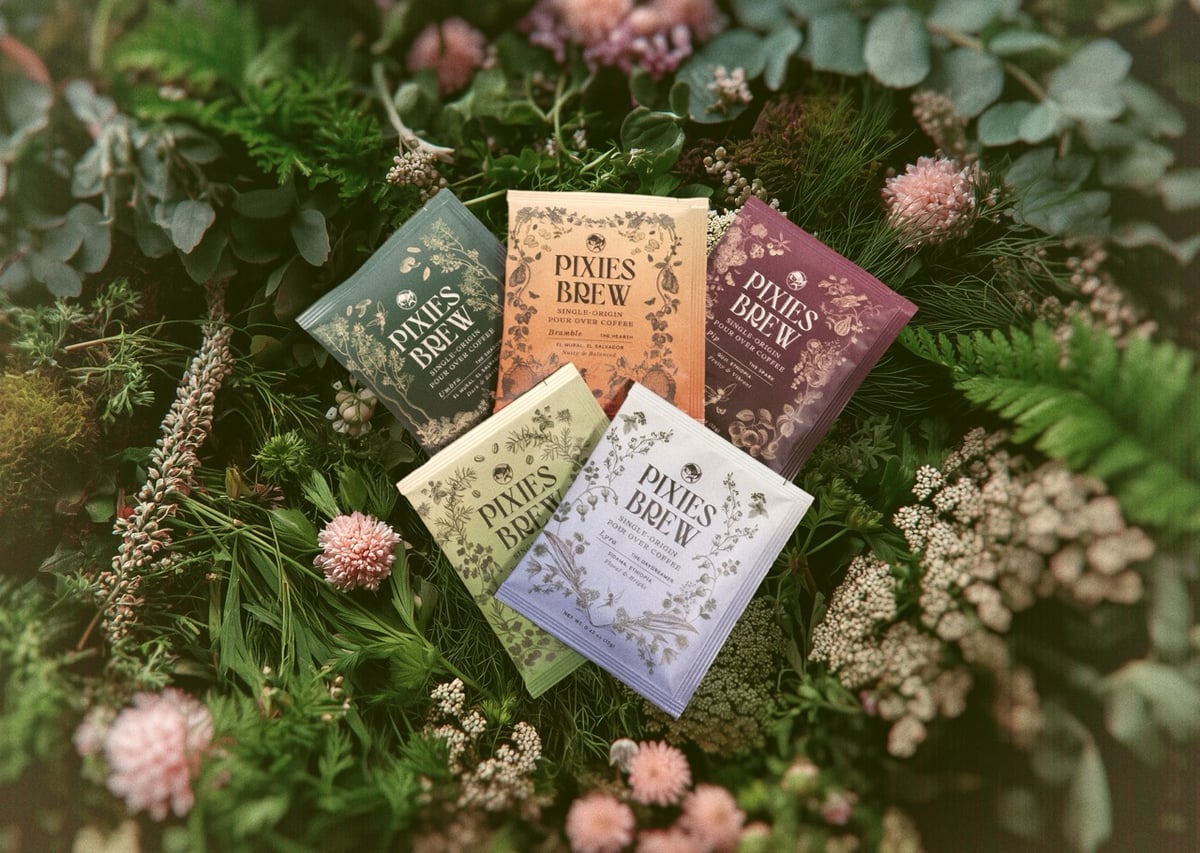
For those seeking this ritualistic approach in a convenient format, Pixies Brew Variety Box: The Discovery Set offers specialty-grade beans pre-portioned in elegant pour-over sachets. Each packet contains precisely measured grounds that bloom beautifully when you pour hot water, creating a slow-morning experience without complex equipment.
For the Budget-Conscious
Quality pod-free brewing doesn't require premium prices. A basic French press delivers full-bodied coffee for under thirty dollars. While not technically a drip coffee maker, it brews single servings beautifully when you adjust ratios accordingly.
Reusable pod systems like My K-Cup Universal work with existing Keurig machines, transforming pod brewers into ground-coffee devices. Initial investment costs less than twenty dollars, and long-term savings add up quickly as you bypass expensive pods.
Maintenance and Care for Pod-Free Systems
Daily Cleaning Rituals
Coffee oils and mineral deposits accumulate invisible at first, then suddenly everywhere. Daily rinsing prevents buildup that affects flavor and machine performance. After each brew, rinse removable parts under warm water, wiping away visible residue.
Grounds left in baskets or drippers turn moldy within hours, especially in humid environments. Empty them immediately, even if you plan deeper cleaning later. This simple habit prevents bacterial growth and preserves the fresh taste you seek.
Essential daily tasks:
- Rinse brew basket thoroughly
- Empty and rinse water reservoir
- Wipe exterior surfaces
- Check for ground coffee stuck in crevices
- Air-dry all components before reassembly
Weekly Deep Cleaning
Once weekly, disassemble your machine completely. Wash removable parts with gentle dish soap, paying special attention to areas water contacts. For grind-and-brew models, use a soft brush to clear grinding chambers of accumulated particles.
Descaling matters more than casual users realize. Mineral deposits restrict water flow, lower brew temperatures, and shorten machine lifespan. Use manufacturer-recommended descaling solutions or white vinegar mixed with water. Run cleaning cycles according to your water hardness and usage frequency.
The Well+Good guide to sustainable coffee makers emphasizes maintenance as central to sustainability. A well-maintained machine lasts decades; a neglected one becomes landfill waste within years.
Brewing Tips for Optimal Flavor
Water Quality Matters
Coffee is 98% water. If your tap water tastes metallic or chlorinated, those flavors transfer to your cup. Filtered water removes chlorine, heavy metals, and organic compounds that interfere with coffee's delicate flavor profile.
Avoid distilled or reverse-osmosis water, which lacks minerals that aid extraction. Ideally, water contains moderate mineral content, roughly 150 parts per million total dissolved solids. This balance facilitates proper extraction while preventing scale buildup in your machine.
Grind Size Optimization
Grind coarseness controls extraction rate. Fine grinds expose more surface area, extracting quickly but risking over-extraction and bitterness. Coarse grinds slow extraction, producing cleaner flavors but potentially under-extracting if contact time is too brief.
For automatic drip single-serve brewers, medium grinds work best, resembling granulated sugar in texture. Pour-over methods benefit from slightly finer grinds, though experimentation reveals what each bean variety prefers. Much like exploring luxury coffee brands teaches appreciation for quality differences, adjusting grind size develops your palate.
Bean Freshness and Storage
Whole beans stay fresh for three to four weeks after roasting when stored properly. Ground coffee degrades within days, its aromatics dissipating as surface area exposure accelerates oxidation. This reality makes the best single serve coffee maker without pods one that grinds beans immediately before brewing.
Store beans in airtight containers away from light, heat, and moisture. Contrary to popular belief, refrigeration does more harm than good, introducing condensation and flavor-absorbing odors. Room temperature in opaque containers preserves beans optimally.
| Storage Method | Freshness Duration | Flavor Preservation |
|---|---|---|
| Whole beans, sealed container | 3-4 weeks | Excellent |
| Ground coffee, sealed | 7-10 days | Good |
| Whole beans, original bag | 2-3 weeks | Very Good |
| Ground coffee, open bag | 3-5 days | Fair |
Environmental and Economic Benefits
The True Cost of Pod Coffee
Single-use pods cost twenty-five to seventy-five cents each, translating to fifty to two hundred dollars monthly for daily drinkers. Quality whole beans run twelve to eighteen dollars per pound, yielding forty to fifty cups. The math favors pod-free brewing dramatically over time.
Beyond direct costs, pods generate plastic and aluminum waste that persists for centuries. Even "recyclable" pods rarely get recycled, contaminated by coffee residue that processing facilities reject. Coffeeness reviews of pod-free brewers highlight these sustainability advantages.
Long-Term Savings Analysis
A quality pod-free brewer costs one hundred fifty to four hundred dollars initially. Daily pod users recover this investment within four to eight months through eliminated pod purchases. Subsequent years deliver pure savings, hundreds of dollars annually that compound over the machine's decade-long lifespan.
Five-year cost comparison (one cup daily):
- Pod system: $1,825 in pods + $150 machine = $1,975
- Grind-and-brew: $300 machine + $650 in beans = $950
- Manual pour-over: $50 dripper + $650 in beans = $700
The differences fund vacations, build emergency savings, or support other meaningful priorities. Financial wisdom and environmental responsibility align perfectly in this choice.
Addressing Common Concerns
Is Pod-Free Coffee More Time-Consuming?
Modern grind-and-brew machines automate most steps, adding perhaps ninety seconds to your routine compared to pod systems. Manual methods require three to five minutes of active participation, but many brewers find this time meditative rather than burdensome.
Consider what you gain: better coffee, environmental stewardship, financial savings, and mindful moments in otherwise frantic mornings. The trade-off favors pod-free brewing for anyone willing to shift perspective from maximum speed to intentional ritual.
What About Consistency?
Automatic machines deliver remarkable consistency once you dial in settings. They measure, grind, and brew identically each time, eliminating human error that varies manual methods. Quality grind-and-brew systems rival pod machines for repeatability while offering flavor superiority.
Manual brewing develops your skills, teaching you to recognize proper extraction by sight, smell, and taste. Initial inconsistency gives way to intuitive mastery, where you adjust variables unconsciously, responding to bean freshness, atmospheric humidity, and personal preference with practiced ease. The comprehensive brew guide at Fluent In Coffee walks through achieving consistency across brewing methods.
Can These Machines Handle Different Coffee Styles?
Absolutely. Pod-free systems accommodate light roasts, dark roasts, single origins, and blends equally well. You're not locked into manufacturer-selected options or compatible brands. Want Ethiopian Yirgacheffe one morning and Sumatran Mandheling the next? Your choice, no limitations.
Some machines offer espresso-style brewing, though true espresso requires higher pressure than most single-serve brewers provide. For concentrated coffee resembling espresso, look for models with pressure-assisted brewing or consider adding a manual espresso maker to your arsenal.
Frequently Asked Questions
What is the best grind size for single-serve brewing?
Medium grind, similar to table salt texture, works best for most automatic single-serve brewers. Pour-over methods benefit from slightly finer grinds. Experiment within this range to find what your specific machine and beans prefer.
How often should I descale my coffee maker?
Descale every one to three months depending on water hardness and usage frequency. Hard water areas require monthly descaling; soft water regions can extend to quarterly. Watch for slower brew times as descaling indicators.
Can I use pre-ground coffee in grind-and-brew machines?
Most grind-and-brew models include bypass modes for pre-ground coffee, though this defeats their primary advantage. Use fresh whole beans whenever possible for optimal flavor and aroma preservation.
Are reusable pods as good as dedicated pod-free machines?
Reusable pods improve pod-machine sustainability but rarely match dedicated pod-free brewers for flavor quality. They're excellent transitional solutions while you save for a proper pod-free system.
How long do pod-free coffee makers typically last?
With proper maintenance, quality machines last eight to fifteen years. Simple manual brewers like French presses or ceramic drippers can function indefinitely, limited only by accidental breakage.
Finding the best single serve coffee maker without pods transforms your daily ritual from disposable convenience into sustainable craft. Whether you choose automated precision or manual meditation, pod-free brewing honors the beans, protects the environment, and delivers superior flavor in every cup. Pixies Brew understands this journey toward intentional brewing, offering specialty-grade pour-over sachets that combine convenience with quality, creating moments of pause and reflection in your morning routine. Start with one mindful cup, and discover how small rituals reshape entire days.
