


Pourover Coffee Maker: A Guide to Slow Ritual Brewing
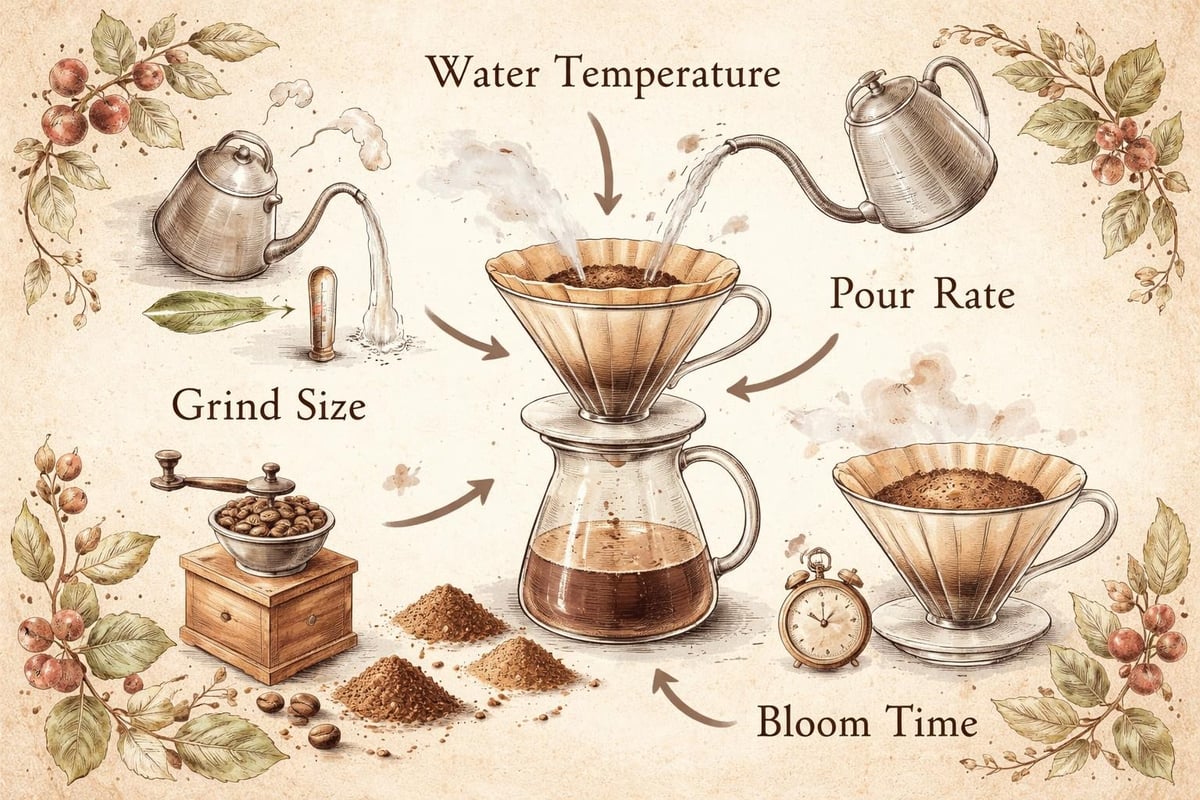
A pourover coffee maker is a manual brewing device that allows you to control every variable in the extraction process, from water temperature to pour rate, creating a clean, nuanced cup that highlights the unique characteristics of specialty coffee beans. Unlike automated machines, this method invites you into a mindful ritual where each morning becomes an opportunity to pause, observe, and craft something entirely your own.
The Soul of Manual Brewing
Every pourover coffee maker tells a story of intention. The ceramic cone warming in your hands, the paper filter settling into place, the first bloom of carbon dioxide as hot water meets freshly ground beans. These aren't just steps in a process. They're moments that anchor you to the present.
In the Grove, where mornings unfold slowly and light filters through botanical canopies, the pourover method feels like a natural extension of the world around us. The simplicity of the equipment-just a brewer, filter, and vessel-belies the depth of flavor it can unlock. When you control the variables, you become part of the alchemy.
Why Manual Matters in 2026
The coffee landscape has evolved dramatically. While automated pourover systems offer convenience, manual brewing maintains its devoted following for good reason:
- Complete sensory engagement: You smell the bloom, hear the water cascade, see the extraction unfold
- Temperature precision: Maintain ideal brewing range (195-205°F) throughout the process
- Variable control: Adjust agitation, pour rate, and saturation based on bean characteristics
- Zero learning curve: Basic technique yields good results; mastery brings exceptional cups
The ritual itself becomes meditation. Your breathing slows to match the circular pour pattern. Your attention narrows to the spiraling water, the expanding grounds, the honey-colored liquid gathering below.
Choosing Your Brewing Vessel
Not all pourover coffee makers are created equal. The material, design, and size influence both the brewing process and the final flavor profile in your cup.
Material Science
| Material | Heat Retention | Durability | Flavor Impact | Best For |
|---|---|---|---|---|
| Ceramic | Excellent | High | Neutral, consistent | Daily ritual brewing |
| Glass | Moderate | Fragile | Clean, transparent | Visual learners |
| Plastic | Low | Very High | Minimal | Travel, camping |
| Copper/Metal | Very High | Excellent | Can alter taste | Temperature stability |
Ceramic brewers warm slowly but maintain steady temperatures throughout extraction. This thermal stability helps prevent the stalling that occurs when cold equipment leaches heat from your slurry. Glass offers the visual feedback needed for technique refinement-you can watch the water level, observe channeling, and adjust in real time.
The science of pourover brewing reveals how these material differences compound across a four-minute brew window.
Design Philosophy
Cone angle matters more than most realize. A 60-degree cone creates a deeper bed, increasing contact time and body. A wider, flatter bed (like a Kalita Wave) promotes even extraction and forgives minor technique flaws. Ridges, ribs, and spiral patterns inside the brewer create air channels that prevent the filter from suctioning against the walls-a small detail that dramatically impacts draw-down time.
The Pourover Ritual: Step by Step
Transform raw ingredients into liquid poetry through these deliberate stages:
- Gather and prepare: Boil fresh, filtered water. Measure 20 grams of specialty beans for a 12-ounce cup.
- Grind with purpose: Medium-fine texture, like granulated sugar. Consistency matters more than exactness.
- Rinse the filter: Warm the brewer, eliminate paper taste, preheat your vessel. Discard rinse water.
- Add grounds and level: Create an even bed for uniform saturation.
- Bloom phase: Pour twice the weight of grounds in water (40g). Wait 30-45 seconds as CO2 escapes.
- Primary pour: Spiral from center outward, maintaining consistent water level. Pour in pulses or continuous stream.
- Complete extraction: Total brew time 3-4 minutes. Let the final drips fall.
- Serve and observe: Note aroma, clarity, body. Adjust next time.
Each phase engages a different sense. The bloom releases earthy fragrance-mushroom, chocolate, citrus zest depending on origin. The pour creates a gentle percussion against ceramic. The final cup sits clear and bright, free from the oils and micro-fines that cloud other methods.
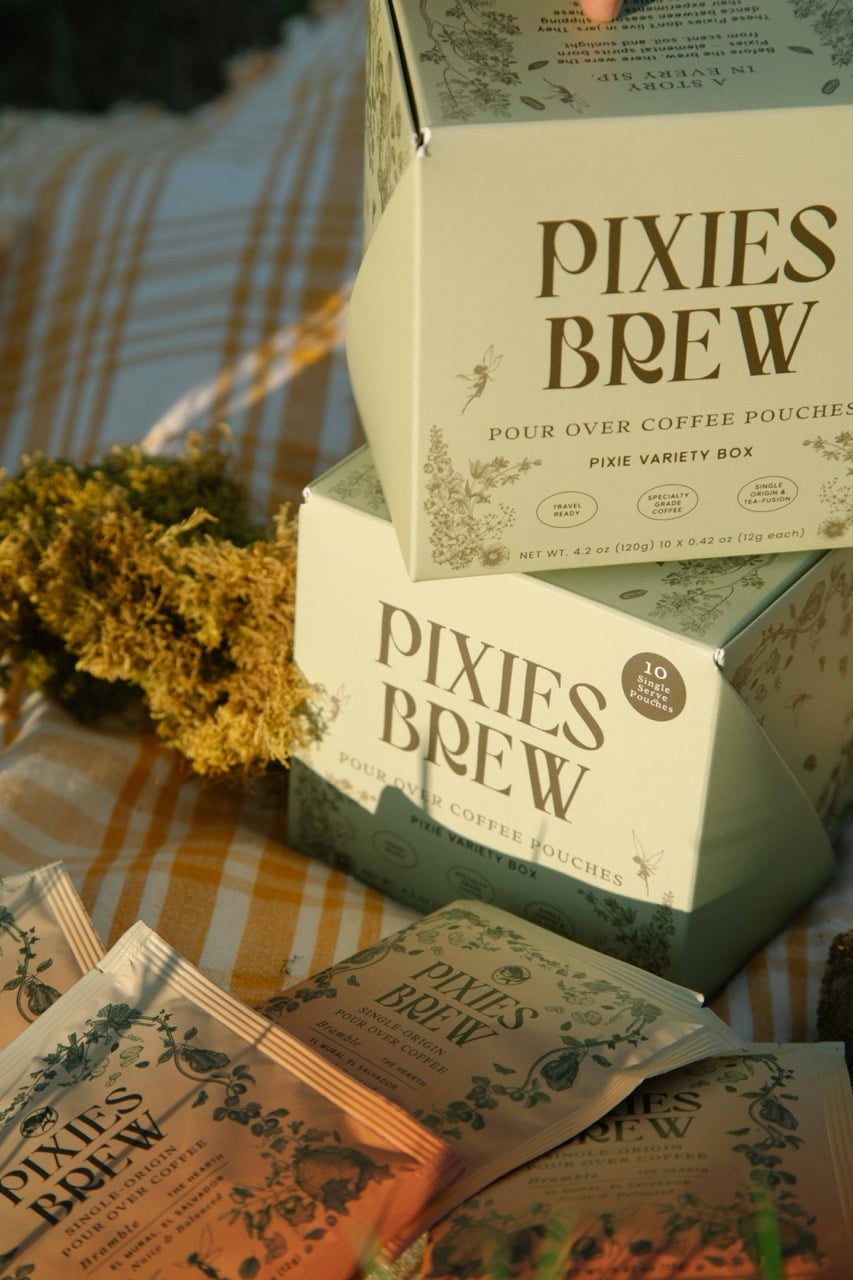
The beauty of single-serve pourover sachets is they bring this ritual to anyone, anywhere. Pixies Brew Variety Box: The Discovery Set packages specialty beans in precisely measured portions, each crafted for optimal extraction without the equipment investment-ideal for those exploring pourover territory or seeking consistency across multiple brewing sessions.
Water Choreography
Pour technique separates adequate coffee from exceptional. Start at the center, spiral outward to the edge, then spiral back. Never pour directly on the filter. Maintain a steady, thin stream-think honey off a spoon, not a waterfall.
The goal is gentle agitation without disruption. You want grounds to tumble and mix, ensuring even saturation, but violent pouring creates channels where water rushes through without extracting. Watch the surface. It should rise and fall in subtle waves, not churn like rapids.
Equipment Ecosystems
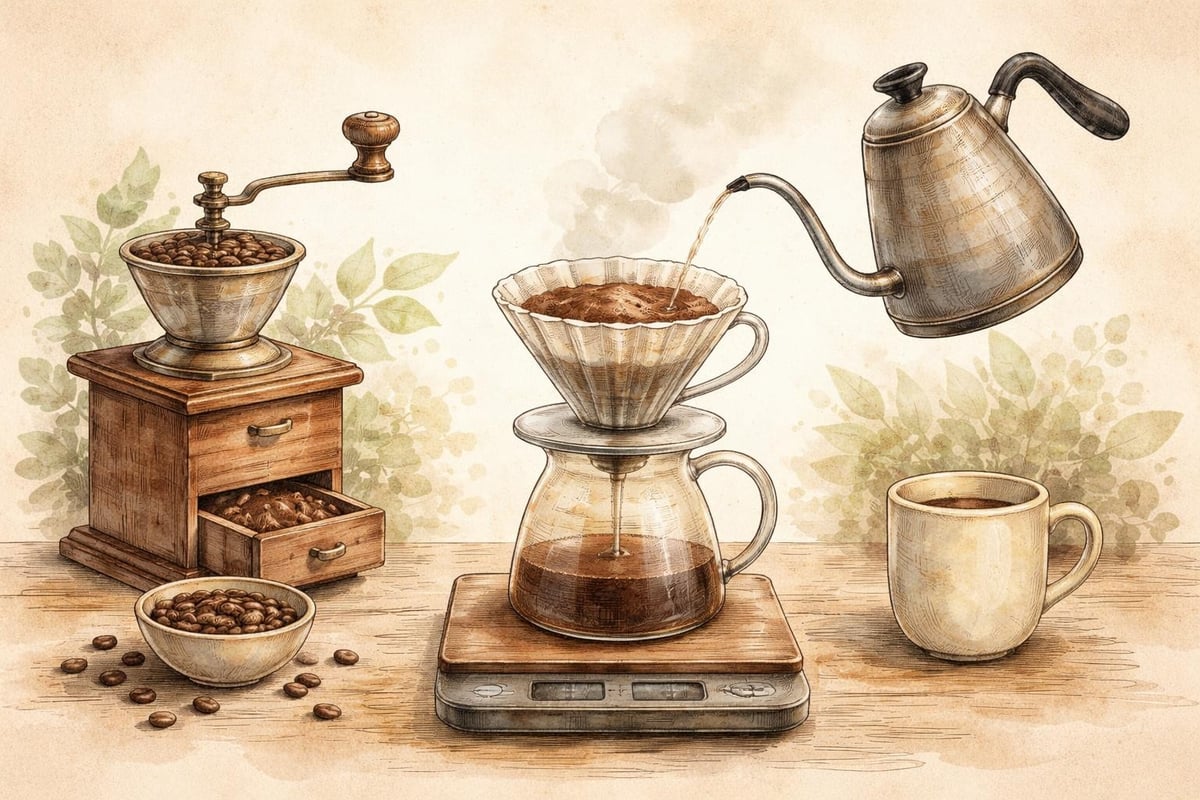
A pourover coffee maker exists within a broader toolkit. Supporting equipment elevates your results from good to transcendent.
Essential Companions
- Burr grinder: Consistent particle size is non-negotiable for even extraction
- Digital scale: Brew by weight, not volume-precision matters
- Gooseneck kettle: Controlled, precise pouring impossible without the narrow spout
- Thermometer or variable-temp kettle: Hit 200°F consistently
- Timer: Track total brew time and phase duration
Different pourover brewers excel in different contexts. The Hario V60 rewards technique mastery. The Chemex doubles as serving carafe for multiple cups. The Kalita Wave offers consistency with minimal skill variation.
Optional Enhancements
Specialty filters alter extraction and mouthfeel. Thicker paper removes more oils, creating tea-like clarity. Cloth filters add body while remaining cleaner than metal. A carafe warmer maintains serving temperature. A dedicated pourover station-kettle, grinder, scale, brewer-becomes a daily altar.
Flavor Mapping Through Technique
The same beans yield wildly different cups based on how you brew them. This is pourover's magic and challenge.
Variable Manipulation
Grind finer to increase extraction and body, but risk bitterness if pushed too far. Grind coarser for brightness and clarity, but watch for sour, underdeveloped notes. Hotter water extracts more completely-ideal for light roasts with dense cell structure. Cooler water preserves delicate florals in naturally processed beans.
Pour speed impacts agitation. Fast pours create turbulence, increasing extraction but potentially muddying clarity. Slow, gentle pours emphasize cleanliness but may under-extract if grounds don't stay saturated.
Bloom time releases trapped gas. Longer blooms (45-60 seconds) suit fresh roasts. Shorter blooms work for older beans with less CO2. Skip the bloom entirely and you'll see channeling, uneven extraction, and muted flavors.
Coffee Selection for Pourover Excellence
Not all beans suit this brewing method equally. Pourover excels at revealing nuance, which means it rewards quality and punishes mediocrity.
Origin Characteristics
| Region | Typical Notes | Pourover Advantage |
|---|---|---|
| Ethiopia | Floral, berry, tea-like | Clarity highlights delicate aromatics |
| Colombia | Caramel, nutty, balanced | Even extraction showcases sweetness |
| Kenya | Bright, winey, complex | Acidity shines without harsh edges |
| Sumatra | Earthy, herbal, full-bodied | Clean method balances heavy profile |
Light roasts reveal terroir-the soil, altitude, and processing that make each coffee distinct. The pourover coffee maker becomes a lens, focusing these subtle differences into sharp relief. Medium roasts offer approachability, balancing origin character with caramelized sweetness from roasting. Dark roasts can taste one-dimensional in pourover; the method's clarity exposes what heavy roasting obscures.
Exploring luxury coffee brands often means discovering single-origin offerings specifically suited to manual brewing methods like pourover.
Freshness Windows
Coffee peaks 7-14 days post-roast for pourover brewing. The first week sees aggressive degassing-blooms are dramatic but extraction can be unpredictable. The second and third weeks offer sweet-spot balance. Beyond four weeks, staleness creeps in, and no brewing technique can resurrect lost volatile compounds.
Store beans in an airtight container away from light and heat. Grind immediately before brewing-whole beans retain freshness far longer than grounds.
Common Troubleshooting
Even experienced brewers encounter challenges. Recognize these patterns and adjust:
Sour, weak coffee: Under-extracted. Grind finer, use hotter water, extend contact time, or pour more aggressively to increase agitation.
Bitter, harsh coffee: Over-extracted. Grind coarser, lower water temperature slightly, reduce total brew time, or pour more gently.
Inconsistent results: Check grinder consistency first-old burrs create too many fines. Ensure water temperature stays stable. Standardize your pour pattern and timing.
Slow draw-down: Grind too fine, or filter clogged with fines. Adjust grind coarser. Some naturally processed coffees produce more fines regardless.
Fast draw-down: Grind too coarse, or channeling present. Tighten grind setting. Ensure even saturation during pour-no dry spots.
Beyond Morning Coffee
The pourover coffee maker transcends its utilitarian purpose. It becomes a daily practice of presence, a physical reminder that good things require attention and care.
In the Grove, we understand that ritual shapes experience. The same beans brewed carelessly on a rushed morning taste different than beans brewed with intention on a slow Saturday. The coffee hasn't changed-your relationship to it has.
Pourover as Practice
Some mornings, the ritual is meditation. You measure, grind, pour, and nothing else exists. Other mornings, it's community. You brew for two, adjusting ratios, discussing notes, sharing the sensory experience. The method adapts to your needs while maintaining its essential character.
Your complete brew guide can deepen this practice, offering techniques and insights that transform daily brewing into genuine craft.
Travel-friendly pourover coffee makers collapse into backpack pockets. Office setups bring ritual to desk-side. The method scales effortlessly from solo cups to small gatherings-just use a larger brewer and adjust ratios proportionally.
Seasonal Adjustments
Coffee isn't static, and neither should your technique be. Humidity, ambient temperature, and water mineral content all shift with seasons.
Summer Brewing
Higher humidity means beans absorb moisture, grinding slightly softer. Grind a bit coarser to compensate. Hotter ambient temperatures mean equipment doesn't leech as much heat-you might lower water temp 2-3 degrees.
Consider cold-bloom techniques where you wet grounds with room-temperature water first, then proceed with hot water. This can reduce astringency in already-bright summer coffees.
Winter Brewing
Dry air makes beans brittle. Static cling becomes problematic during grinding-a spray of water on beans before grinding helps. Cold equipment pulls more heat from your slurry. Preheat everything thoroughly: brewer, carafe, even your scale if it sits in a cold kitchen.
Water temperature might climb to 205°F to compensate for heat loss. Longer blooms work well as cold beans off-gas more slowly.
Frequently Asked Questions
How much coffee do I use in a pourover coffee maker?
A standard ratio is 1:16 coffee to water by weight. For a 12-ounce cup (340g water), use about 21g coffee. Adjust to taste-1:15 for stronger, 1:17 for lighter.
What grind size works best?
Medium-fine, similar to granulated sugar. If your brew finishes in under 2.5 minutes, grind finer. If it takes over 4.5 minutes, grind coarser.
Can I reuse paper filters?
Not recommended. Used filters contain oils and residue that affect flavor. They're also fragile when wet and tear easily.
How do I clean my pourover coffee maker?
Rinse with hot water after each use. Weekly, wash with mild soap and warm water. Avoid dishwashers for ceramic and glass-temperature swings can cause cracking.
Does water quality really matter?
Absolutely. Hard water over-extracts and tastes chalky. Soft water under-extracts and tastes flat. Ideal water has 50-150 ppm total dissolved solids with balanced mineral content. Filtered water works well for most people.
The pourover coffee maker isn't just equipment-it's an invitation to slow down, pay attention, and transform everyday routine into intentional ritual. When you master the variables and trust the process, each cup becomes a reflection of care, a small ceremony that grounds your day in presence and craft. Pixies Brew understands this magic, offering specialty pourover sachets that bring ritual and quality together, ensuring every morning holds the potential for pause, reflection, and a truly exceptional cup.
