


Camping Must Haves for Coffee Lovers in 2026
The best camping trips aren't measured by miles hiked or peaks summited. They're counted in morning rituals preserved, in quiet moments when steam rises from your cup while the world wakes around you. Whether you're a seasoned backpacker or planning your first weekend under canvas, having the right camping must haves transforms a basic outdoor experience into something deeply restorative. This guide draws from years of campfire mornings and trail-tested wisdom to help you pack intentionally, ensuring every item in your kit serves both your adventure and those sacred pauses that make it meaningful.
The Foundation: Shelter and Sleep Systems
Your tent is more than waterproof fabric. It's the vessel that holds your evening wind-down ritual and protects your morning coffee ceremony from the elements.
Choosing Your Shelter Wisely
Modern camping tents balance weight, weather protection, and livability in remarkable ways. For solo coffee enthusiasts who value that predawn brewing ritual, a two-person tent offers the extra vestibule space needed for gear organization and a dry spot to set up your coffee for camping station when weather turns.
Key tent features to prioritize:
- Double-wall construction for condensation management
- Vestibules for gear storage and protected brewing space
- Freestanding design for flexible campsite setup
- Quick-pitch systems for more time enjoying nature
The tent category has evolved significantly, with brands like NEMO Equipment focusing on sustainability through fully recyclable materials. This commitment to eco-friendly practices resonates with mindful campers who understand that preserving wild spaces requires intentional choices.
Sleep Systems That Actually Work
Cold nights ruin camping trips faster than any other factor. Your sleep system encompasses three components: sleeping pad, sleeping bag, and pillow.
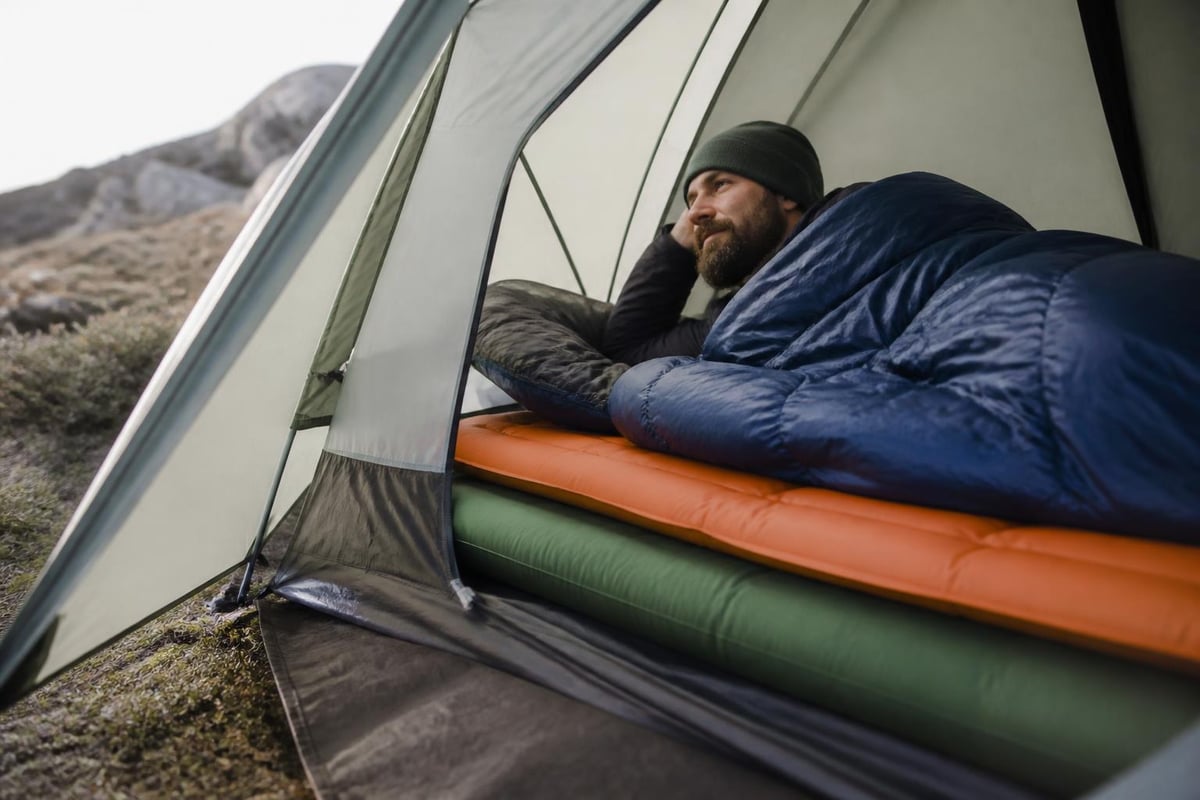
Selecting the right camping mat depends on your camping style and season. Insulated pads with R-values above 4.0 provide four-season capability, while lighter options suit summer adventures.
| Sleep System Component | Summer Choice | Three-Season Option | Winter Essential |
|---|---|---|---|
| Sleeping Pad | Foam or inflatable (R-value 2-3) | Insulated inflatable (R-value 4-5) | Insulated + foam combo (R-value 6+) |
| Sleeping Bag | 40°F quilt or bag | 20°F mummy bag | 0°F down or synthetic |
| Pillow | Stuff sack with clothes | Compressible foam | Inflatable insulated |
A proper night's rest means you'll actually want to wake for that sunrise coffee ritual rather than hitting snooze in your sleeping bag.
Cooking and Coffee: The Heart of Camp Life
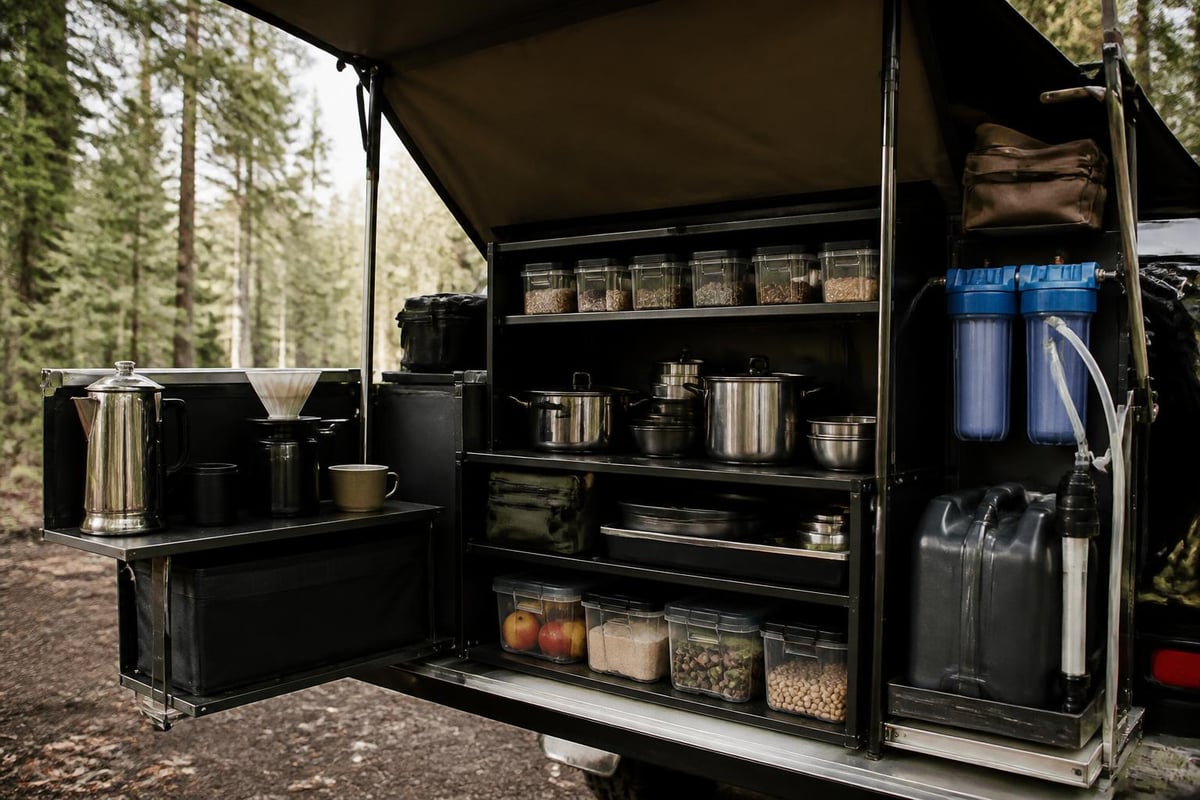
Every camper develops their own galley system, but certain camping must haves remain universal. Your cooking setup should support both nutrition and ritual.
Essential Cooking Equipment
Base cooking kit includes:
- Backpacking stove (canister or liquid fuel)
- Cookpot with lid (doubles as eating bowl)
- Utensil set with long-handled spoon
- Lighter or waterproof matches (multiple sources)
- Biodegradable soap and scrubber
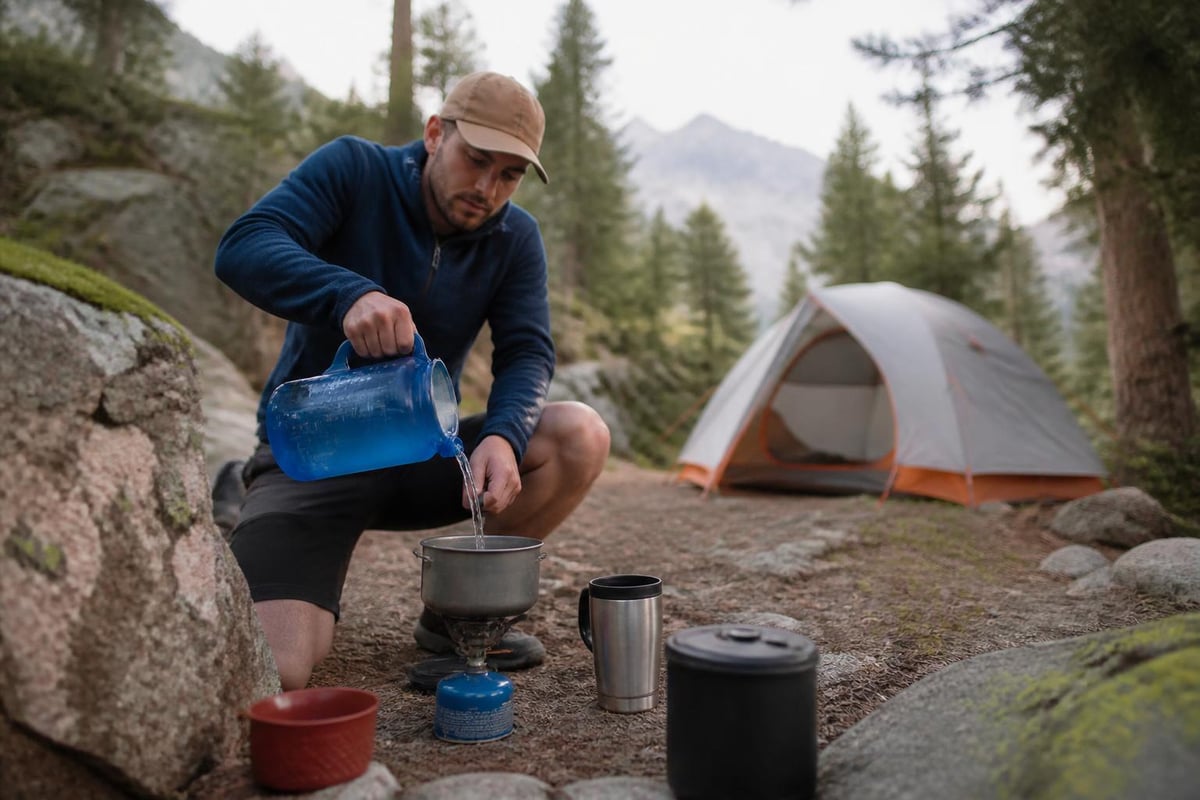
The magic happens when your cooking system adapts to your coffee preferences. While traditional single-serve coffee makers require electricity, pour-over methods shine in backcountry settings.
Creating Your Camp Coffee Station
Morning coffee in the wilderness carries different weight than your kitchen counter routine. The ritual slows down, becomes more intentional. You're not rushing to meetings. You're witnessing daybreak.
For camp coffee that rivals home, start with quality beans in portable form. Delicate pour-over sachets eliminate the need for grinders, filters, and complicated equipment. Simply heat water, suspend the sachet, pour slowly, and watch your morning ritual unfold against a backdrop of mountains or forest.
Coffee brewing essentials for camping:
- Reliable water heating system (integrated stove or kettle)
- Insulated mug that retains heat
- Lightweight pour-over setup or quality sachets
- Water filtration for clean brewing water
The sensory experience transforms outdoors. You smell pine mixing with coffee aromatics. You hear birdsong instead of traffic. You taste each note more clearly in crisp morning air.
Water Management Systems
Clean water is simultaneously the heaviest and most critical camping must have. Your water strategy impacts pack weight, daily mileage, and campsite selection.
Filtration and Purification Options
Modern water treatment has advanced beyond iodine tablets and pump filters. Squeeze filters, gravity systems, and UV purifiers each serve different camping styles.
| System Type | Best For | Processing Speed | Limitations |
|---|---|---|---|
| Squeeze filter | Solo hikers, lightweight trips | 1L per 2-3 minutes | Requires squeezing effort |
| Gravity filter | Groups, base camping | 2L per 5 minutes | Needs elevation difference |
| UV purifier | Clear water sources | 1L per 90 seconds | Requires batteries, doesn't filter particles |
| Chemical tablets | Emergency backup | 30 minutes wait time | Taste issues, doesn't remove sediment |
Carry at least two treatment methods. Your primary system might fail, or you might encounter water conditions requiring different approaches.
Smart Water Carrying
Beyond filtration, you need containers. Collapsible bottles and bags minimize pack volume when empty. Wide-mouth bottles facilitate both filtering and drinking. Insulated options keep coffee hot through morning hours of breaking camp.
For coffee lovers, factor an extra liter into your water calculations. Quality brewing requires clean, properly heated water. Skimping here compromises your most important morning ritual.
Navigation and Safety Essentials
The romantic notion of wandering free in nature meets practical reality: getting lost is dangerous, not adventurous. These camping must haves keep you found and safe.
The Ten Essentials Updated for 2026
- Navigation: Physical map, compass, and GPS device with offline maps
- Sun protection: Sunscreen, sunglasses, protective clothing
- Insulation: Extra layers beyond what you're wearing
- Illumination: Headlamp with extra batteries
- First-aid supplies: Comprehensive kit tailored to trip length
- Fire: Waterproof matches, lighter, and fire starter
- Repair kit: Multi-tool, duct tape, gear-specific items
- Nutrition: Extra day of food minimum
- Hydration: Water and treatment capability
- Emergency shelter: Space blanket or bivy
This framework scales from day hikes to extended backcountry expeditions. Visual guides to essential camping gear help translate lists into actual packed items.
Communication and Emergency Tools
Cell service is unreliable in wild places. Satellite communicators have become lighter and more affordable. These devices enable SOS calls, weather updates, and check-ins with loved ones, creating safety nets without severing your wilderness connection.
Whistle, mirror, and bright-colored gear aid rescue scenarios. Pack them hoping never to use them.
Clothing Layers and Personal Items
The layering system remains foundational to outdoor comfort. Cotton kills, as the old saying goes, while synthetic and merino fabrics manage moisture and retain warmth when wet.
Building Your Layer System
Base layer: Moisture-wicking fabric worn against skin (tops and bottoms)
Mid layer: Insulating fleece or synthetic puffy jacket for warmth
Outer layer: Waterproof, breathable shell for weather protection
Pack for the worst conditions possible, even if forecasts look perfect. Mountain weather shifts rapidly. That sunny morning can become a cold, wet afternoon.
Beyond the three-layer foundation, consider these camping must haves:
- Hiking-specific socks (synthetic or wool, never cotton)
- Camp shoes or sandals (your feet need post-hike relief)
- Warm hat and gloves (even summer nights get cold at elevation)
- Bandana or buff (endless uses from sun protection to coffee filter backup)
Personal Comfort Items
Minimalist philosophy has its place, but small comforts make camping sustainable long-term. A lightweight book or journal creates evening ritual. Premium coffee elevates morning moments. Compact camp chairs transform dinner into an event rather than a refueling stop.
These items don't survive the ruthless ounce-counting of ultralight backpacking, but for car camping or base camp scenarios, they bridge outdoor adventure with civilized pleasure.
Food Planning and Storage
Nutrition powers your adventure, but food in camp requires strategy beyond calories. Wildlife attraction, spoilage, and pack weight all factor into menu planning.
Smart Food Selection
Breakfast options that pair with coffee ritual:
- Overnight oats prepared the evening before
- Instant oatmeal elevated with dried fruits and nuts
- Energy bars for quick-start mornings
- Dehydrated breakfast scrambles for leisurely days
Lunch and dinner considerations:
- Dehydrated meals (lightweight, minimal cleanup)
- Tortillas and shelf-stable proteins (versatile, durable)
- Rice and pasta bases with varied seasonings
- Pre-portioned trail mix and dried fruits
The coffee component deserves special attention. Bringing luxury coffee brands into wilderness settings might seem excessive, but quality matters more when you're down to essentials. Each cup becomes an event, not a habit.
Bear-Safe Storage Solutions
In bear country, proper food storage isn't optional. Hard-sided bear canisters protect food and ensure wildlife safety. Bear bags suspended from trees work where regulations allow. Never store food in your tent.
Food storage checklist:
- Bear canister or Ursack for regulated areas
- Odor-proof bags for all scented items (including coffee)
- Rope and carabiner for bear bag hanging
- Camp location 200+ feet from sleeping area
- Clean cooking area before dark
Packing Strategy and Organization
How you pack matters as much as what you pack. Organization systems turn chaos into efficiency.
Pack Organization Systems
Stuff sacks in different colors categorize gear types: blue for sleep system, red for cooking, green for clothes. You'll find what you need without unpacking everything.
Strategic packing order:
- Sleeping bag at bottom (last thing needed)
- Clothes and soft items filling gaps
- Heavy items close to your back
- Frequently needed items in top or outer pockets
- Water bottles in side pockets for easy access
Keep your morning coffee setup accessible. Few things are worse than digging through a full pack before caffeine kicks in.
Weight Distribution Principles
Proper pack fitting and loading prevents injury and increases enjoyment. Weight should ride on your hips, not shoulders. Adjust straps systematically: hip belt first, then shoulder straps, then load lifters.
Test your fully loaded pack before hitting the trail. Walk around the block. Adjust. Walk more. The effort pays off when you're miles from the trailhead.
Frequently Asked Questions
What are the absolute essential camping must haves for beginners?
Start with the basics: tent, sleeping bag, sleeping pad, stove, cookware, water filter, headlamp, first-aid kit, appropriate clothing layers, and food. Everything else builds from this foundation. Don't get overwhelmed by specialty gear until you understand your camping style through experience.
How do I pack coffee equipment for backpacking trips?
Choose lightweight methods that eliminate extras. Pour-over sachets like those from specialty roasters need only hot water and a cup. Skip the French press, grinder, and filters. Quality sachets deliver excellent coffee with minimal weight and cleanup. Store them in a waterproof bag with other scented items.
What camping gear should I invest in first?
Prioritize your sleep system and footwear. A quality sleeping bag and pad ensure rest, making everything else more enjoyable. Proper hiking boots or trail runners prevent blisters and injuries. You can borrow or rent tents and backpacks initially, but sleep and feet are personal.
How much should my camping backpack weigh?
Base weight (gear minus food, water, and fuel) should stay under 20 pounds for comfortable backpacking. Total pack weight ideally remains under 30 pounds. Your fitness level and trip distance determine what's manageable. Start lighter and add items as experience dictates actual needs.
Can I bring fresh coffee beans camping?
Fresh beans require grinding equipment and often produce waste. Pre-ground coffee loses flavor quickly. Specialty pour-over sachets maintain freshness through individual packaging while eliminating grinding needs. They're lighter, cleaner, and often produce better results than field-ground beans with camp methods. Consider exploring different coffee options designed specifically for outdoor use.
Building Your Personal Camping Kit
These camping must haves create a framework, not a prescription. Your perfect kit evolves through seasons of use, reflecting your priorities and style.
Some campers obsess over ultralight gear, shaving ounces wherever possible. Others prioritize comfort, accepting extra weight for camp chairs and fresh food. Coffee enthusiasts might carry seemingly excessive brewing equipment because that morning ritual anchors their entire outdoor experience.
The grove teaches us that ritual matters. The pause matters. Whether you're filtering water from a mountain stream or carefully pouring hot water over specialty coffee sachets, these moments of intention transform camping from mere outdoor sleeping into something restorative.
Build your kit thoughtfully. Test gear before committing to wilderness trips. Learn from each outing what you actually used versus what stayed packed. The gear that consistently serves you becomes trusted, while unused items get left home.
Quality matters more than quantity. One excellent knife beats five mediocre blades. A reliable stove you understand intimately outperforms a fancy system you've never mastered. Similarly, coffee that genuinely satisfies beats five backup options that disappoint.
As you refine your camping must haves, you'll discover your own rhythm. The pack that once seemed impossibly heavy becomes familiar. The tent that confused you pitches in minutes. The morning coffee ritual that felt complicated becomes meditation.
The wilderness doesn't demand perfection. It asks for preparation, respect, and presence. Carry what supports your ability to be fully there, engaged with the moment rather than fighting discomfort or searching for forgotten items.
Your camping kit is deeply personal. Let it reflect not just survival needs, but the experiences you seek. If coffee at sunrise feeds your soul as much as oatmeal feeds your body, honor that. Pack accordingly.
The camping must haves that matter most aren't always the ones on standard checklists. They're the items that support your personal rituals, the gear that helps you pause and truly experience wild places rather than just survive them. Whether you're watching dawn break over a mountain lake or settling into evening calm under forest canopy, having the right equipment fades into background while the moment takes center stage. Pixies Brew understands that magic happens in these pauses, which is why we've crafted coffee sachets that travel anywhere your adventures lead, delivering exceptional pour-over quality without the weight or complexity of traditional brewing methods. Your next camping trip deserves coffee that matches the majesty of the setting.
