


Specialty Coffee Near Me: A Guide to Better Brews
When you search for "speciality coffee near me," you're looking for more than caffeine-you're seeking a better cup, a moment of stillness in your day, and perhaps a touch of craft that elevates the ordinary into something memorable. The answer to your search might surprise you: the best specialty coffee experience doesn't always require leaving your home. It lives in the quality of the beans, the care in the brewing, and the intention you bring to each cup.
The specialty coffee movement has transformed how Americans think about their morning ritual. According to the National Coffee Association, specialty coffee consumption has hit a 14-year high, with 46% of adults now choosing specialty over traditional coffee. This shift reflects our collective desire for something more-better flavor, ethical sourcing, and a brewing experience that feels personal rather than automated.
What Makes Coffee "Specialty"
Specialty coffee earns its designation through rigorous standards that begin at the farm and continue through every step of production.
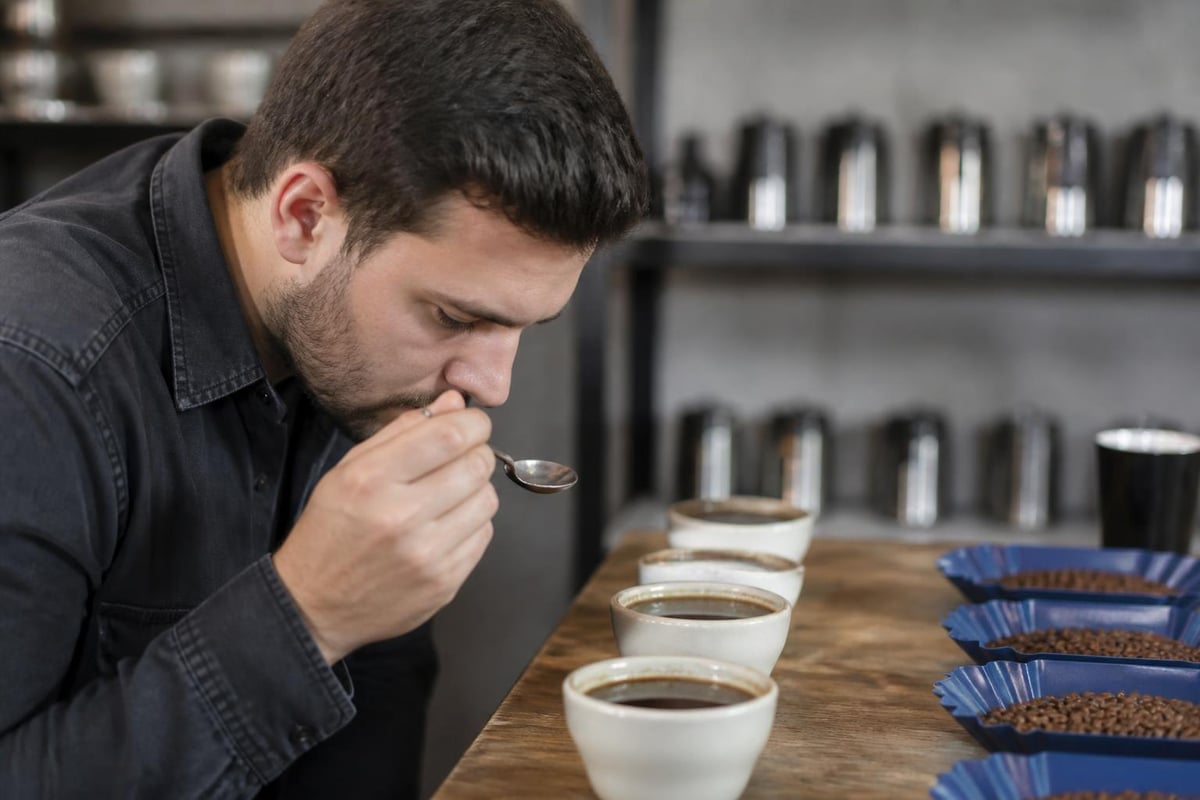
The Specialty Coffee Association scores beans on a 100-point scale, and only those achieving 80 points or higher qualify as specialty grade. This scoring evaluates everything from the coffee's aroma and acidity to its body, flavor, and aftertaste. Professional cuppers taste each lot multiple times, searching for defects and identifying the unique characteristics that make exceptional coffee sing.
The Journey from Cherry to Cup
Every specialty coffee tells a geographic story. Single-origin beans carry the signature of their terroir-the soil, altitude, and climate where they grew. Ethiopian coffees often deliver bright, fruity notes with floral undertones. Central American beans tend toward chocolate and nutty profiles with balanced acidity.
When you explore offerings like Lyra's Bloom from Sidama, Ethiopia, you're tasting coffee grown at high altitude where cooler temperatures allow cherries to develop complex sugars slowly. The result? A cup that might remind you of jasmine petals and wild berries-flavors that would disappear in lower-grade beans.
Why Your Local Coffee Shop Matters
Walking into a specialty café offers sensory rewards that go beyond the beverage itself. The hiss of the espresso machine, the sweet-earthy scent of fresh grounds, the careful attention a skilled barista brings to each pour-these elements create ritual.
But here's what most specialty coffee shops understand that mass-market chains miss: coffee deserves time. A proper pour-over takes four minutes. The barista adjusts grind size, water temperature, and pouring technique based on the specific beans being brewed. This isn't inefficiency; it's craft.
The Social Currency of Third Wave Coffee
Third wave coffee shops function as community gathering spaces where knowledge flows as freely as espresso. Baristas become educators, sharing origin stories and brewing tips. Regular customers develop preferences that go beyond "medium roast" to specific farms and processing methods.
| Coffee Wave | Focus | Experience |
|---|---|---|
| First Wave | Accessibility | Instant coffee, mass production |
| Second Wave | Premium positioning | Espresso drinks, café culture |
| Third Wave | Quality & transparency | Single-origin, direct trade, craft brewing |
The rise in home coffee consumption reflects how café culture has migrated into our kitchens. We're no longer satisfied with adequate coffee. We want the same quality we'd find searching for "speciality coffee near me"-but in our own morning routine.
Bringing Specialty Coffee Home
The gap between café and kitchen has narrowed dramatically. You don't need a $3,000 espresso machine to enjoy specialty-grade coffee at home.
What you do need:
- Fresh, properly roasted specialty beans
- Clean, filtered water
- Attention to brewing variables
- A willingness to slow down
The beauty of single-serve pour-over methods lies in their simplicity. A properly designed sachet system combines specialty-grade beans with the precision of café brewing-pre-measured, freshly ground, and ready to bloom.
The Science of Extraction
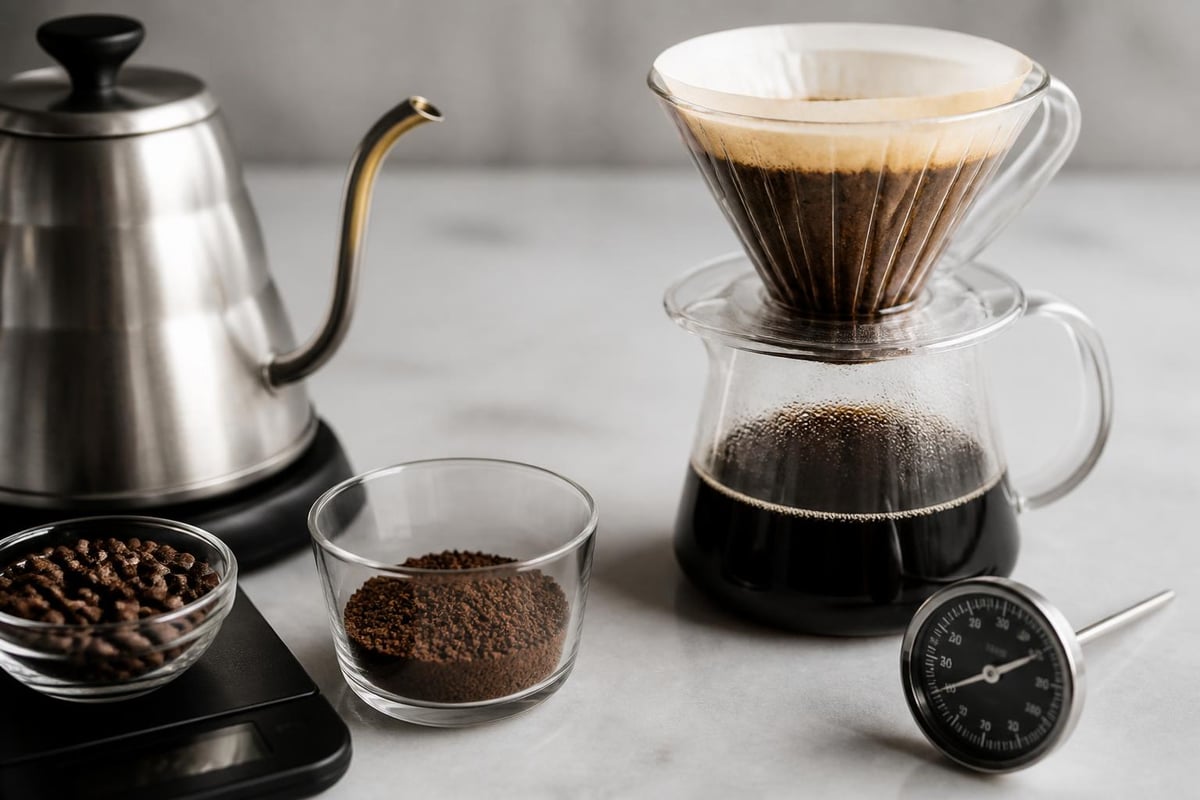
When hot water meets coffee grounds, hundreds of chemical compounds dissolve at different rates. The first 30 seconds extract acids that provide brightness. The middle extraction brings out sugars and creates body. Over-extraction beyond four minutes pulls bitter compounds that overwhelm the cup.
Achieving balanced extraction at home requires controlling four variables:
- Water temperature (195-205°F for optimal extraction)
- Grind size (matched to brewing method)
- Coffee-to-water ratio (typically 1:15 to 1:17)
- Contact time (how long water touches grounds)
This is where thoughtfully crafted coffee packets shine. Companies like Pixies Brew handle the technical precision-grind size, dose accuracy, freshness-so you can focus on the ritual itself. Each sachet becomes a mini coffee shop experience, delivering the quality you'd seek when searching for speciality coffee near me.
Flavor Profiles Worth Exploring
Specialty coffee offers a flavor spectrum that rivals wine in complexity. Understanding basic profiles helps you navigate both café menus and home brewing choices.
Light Roasts: Bright and Vibrant
Light roasts preserve the coffee's origin characteristics. You'll taste the terroir-floral notes in Ethiopian naturals, citrus brightness in Kenyan beans, stone fruit sweetness in certain Guatemalan lots.
These coffees work beautifully as pour-overs where clean, nuanced flavors can shine. The Pips Glimmer from Guji Uraga, Ethiopia exemplifies this approach, offering berry-forward complexity that evolves as the cup cools.
Medium Roasts: Balanced Harmony
Medium roasts balance origin character with developed sweetness. Expect chocolate notes, caramel undertones, and pleasant acidity without the sharp brightness of lighter roasts.
This versatility makes medium roasts ideal for those new to specialty coffee. They deliver complexity without challenging palates accustomed to traditional coffee.
Dark Roasts: Bold and Rich
Properly executed dark roasts emphasize body and roast character while avoiding burnt bitterness. Think dark chocolate, toasted nuts, and lingering sweetness.
The Umbra's Ember demonstrates how dark roasting can enhance rather than obscure quality beans. The base coffee's natural chocolate notes intensify, creating depth without harshness.
The Ritual Beyond the Cup
Coffee at its best creates pauses in our day-moments where we're fully present rather than rushing toward the next task.
This is where specialty coffee distinguishes itself most clearly from commodity-grade alternatives. A great cup invites you to notice: the first bloom as hot water releases trapped CO2, the way aromatics shift from grounds to steam to final sip, the gradual cooling that reveals new flavor layers.
Creating Your Morning Grove
Your coffee ritual doesn't require elaborate ceremony, but it does benefit from intentionality. Consider these elements:
Sensory engagement starts before the first sip. Notice the sound of water heating, the scent released when you open fresh coffee, the visual beauty of bloom during brewing.
Mindful preparation transforms a task into meditation. Each step-warming your cup, measuring water, timing the pour-becomes an anchor to the present moment.
Dedicated space matters less than dedicated attention. Whether you brew in a sun-filled kitchen or a quiet corner, make the space feel intentional.
The Pixies Pour Ritual embraces this philosophy. It's not about complication; it's about creating a consistent practice that honors both the coffee and yourself.
Sustainability in Specialty Coffee
The best specialty coffee supports both exceptional flavor and ethical practices. When you search for "speciality coffee near me," you're increasingly likely to find shops highlighting direct trade relationships, organic certifications, and carbon-neutral shipping.
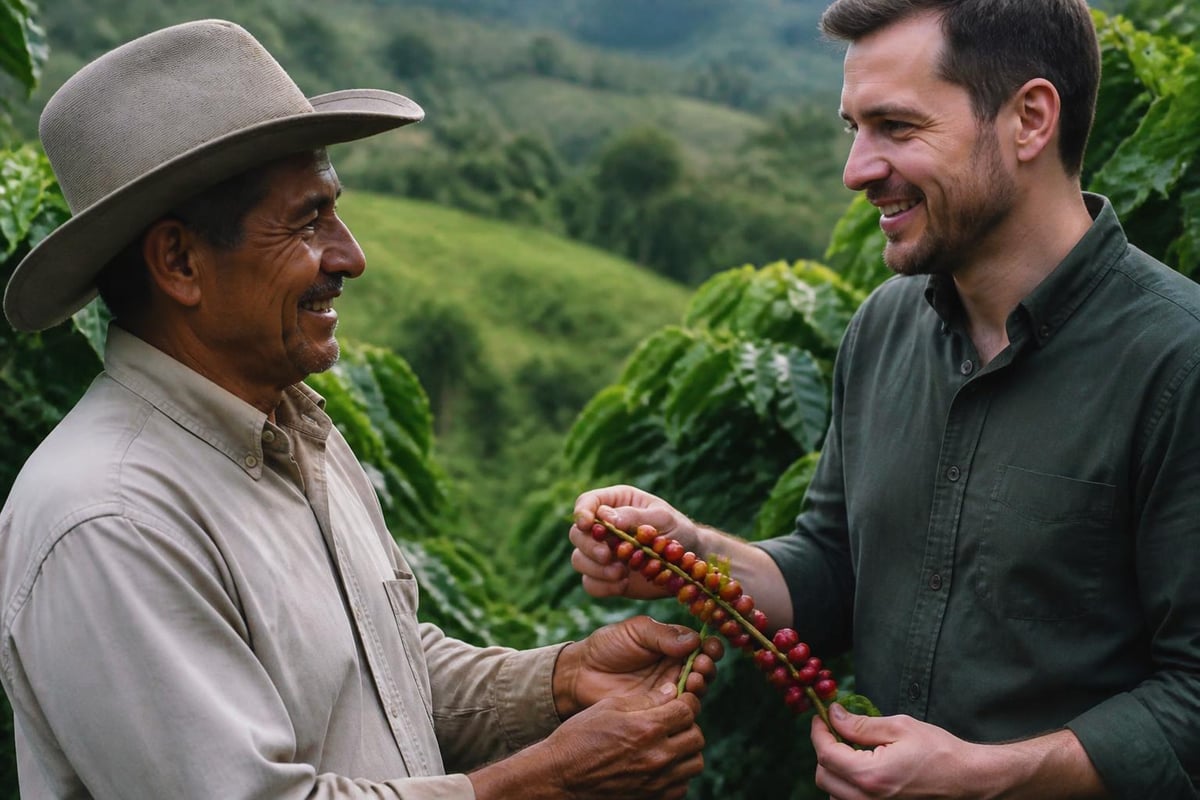
Direct trade means roasters build lasting relationships with farmers, often paying well above fair trade minimums. This model ensures quality incentives flow to the people growing your coffee.
Organic and shade-grown certifications indicate farming practices that protect ecosystems. Coffee grown under forest canopy supports biodiversity while producing beans with complex flavor development.
According to research on sustainable coffee production, technology is helping farmers monitor plant health and optimize yields while minimizing environmental impact. This intersection of craft and innovation points toward a more sustainable coffee future.
Exploring Regional Coffee Cultures
Coffee culture varies dramatically across cities and neighborhoods. The emergence of neo-cafés in France reflects how specialty coffee adapts to local traditions while maintaining craft standards.
In the United States, regional preferences shape what you'll find when searching for speciality coffee near me. Pacific Northwest shops often emphasize light roasts and Nordic-inspired brewing. Southeast cafés might lean toward New Orleans-style cold brew traditions. The Northeast embraces Italian espresso heritage alongside modern third-wave practices.
Cultural Coffee Experiences
Some of the most interesting specialty coffee scenes emerge from cultural traditions. The rise of Yemeni coffeehouses in American cities introduces customers to ceremonial coffee service and historical brewing methods that predate modern café culture.
These spaces remind us that coffee has always been about more than caffeine-it's a social connector, a cultural anchor, and a daily ritual that transcends borders.
Making Specialty Coffee Accessible
The perception that specialty coffee requires expensive equipment or extensive knowledge keeps some coffee lovers from exploring beyond their local chain. In reality, accessibility is expanding.
Budget-friendly entry points include:
- Single-serve pour-over packets that deliver café quality
- Simple pour-over drippers (under $30)
- French press brewers (under $25)
- Manual grinders for those ready to grind fresh
The variety pack approach lets you sample different origins and roast profiles without committing to a full bag. This exploration phase is crucial for developing your palate and discovering which flavor profiles resonate with you.
Understanding Coffee Freshness
Freshness might be specialty coffee's most important factor. Even the finest beans lose their magic as volatile aromatics fade.
Optimal freshness timeline:
| Time Since Roasting | Whole Bean Quality | Ground Coffee Quality |
|---|---|---|
| 3-14 days | Peak flavor | N/A (grind fresh) |
| 2-4 weeks | Excellent | Degraded |
| 1-2 months | Good | Poor |
| 3+ months | Stale | Undrinkable |
This is why pre-ground coffee from grocery store shelves rarely delivers specialty-level experience. Grinding accelerates staling exponentially by increasing surface area exposed to oxygen.
Sealed sachet systems solve this problem by grinding beans immediately before packaging in protective atmosphere. When you open a fresh sachet, you're getting coffee at peak flavor-comparable to beans ground moments before at your local specialty café.
Frequently Asked Questions
What's the difference between specialty coffee and gourmet coffee?
Specialty coffee has technical standards (80+ point SCA score), while "gourmet" is a marketing term without specific meaning. Specialty designation requires quality at every stage from farm to cup.
How do I find good specialty coffee shops in my area?
Look for shops that post origin information, roast dates, and brewing methods. Quality indicators include single-origin offerings, multiple brewing methods available, and staff who can discuss flavor profiles. The Specialty Coffee Association's resources can help identify certified shops.
Can I make specialty coffee without expensive equipment?
Absolutely. Pour-over systems, French press, and AeroPress all produce excellent results with specialty beans. The coffee quality matters more than equipment cost. Investing in fresh, properly roasted beans delivers better results than expensive machines brewing stale coffee.
How should I store specialty coffee at home?
Keep beans in an airtight container away from light, heat, and moisture. Don't refrigerate or freeze, as temperature fluctuations create condensation. Buy quantities you'll use within 2-3 weeks for optimal freshness.
What makes some specialty coffee more expensive?
Price reflects farming practices, processing methods, limited production, and supply chain transparency. Competition-grade microlots, rare varietals, and experimental processing techniques command premium prices. The luxury coffee segment represents the pinnacle of quality and scarcity.
Building Your Coffee Knowledge
The journey into specialty coffee rewards curiosity. Each origin you taste, each brewing method you try, each conversation with a knowledgeable barista adds to your understanding.
Start by identifying what you already enjoy. Do you prefer bright, fruity flavors or rich, chocolatey notes? Light body or full? Once you establish a baseline, you can explore systematically.
Tasting notes to recognize:
- Fruity: Berry, citrus, stone fruit, tropical
- Floral: Jasmine, lavender, honeysuckle
- Sweet: Caramel, honey, brown sugar, vanilla
- Nutty: Almond, hazelnut, walnut
- Chocolate: Cocoa, dark chocolate, milk chocolate
- Spice: Cinnamon, clove, cardamom
Professional cuppers use standardized tasting protocols, but your personal preferences matter most. The "best" coffee is the one you most enjoy drinking.
The Future of Specialty Coffee
Industry trends point toward increased transparency, sustainability focus, and innovation in processing and brewing. Market analysis for 2025 shows specialty coffee continuing to gain market share as consumers prioritize quality over convenience.
Technology is making specialty coffee more accessible without sacrificing craft. Precision temperature kettles, app-connected grinders, and innovative packaging systems bring café-level control to home brewing.
Yet the heart of specialty coffee remains unchanged: exceptional beans, thoughtful preparation, and the ritual of creating something beautiful. When you search for "speciality coffee near me" in 2026, you're participating in a global movement that values quality, sustainability, and the simple pleasure of a truly excellent cup.
Creating Your Personal Coffee Story
Your relationship with coffee is uniquely yours. Maybe you're drawn to the meditative quiet of a morning pour-over. Perhaps you love exploring flavor profiles the way others collect wines. Or you might simply want your daily coffee to taste extraordinary.
Specialty coffee accommodates all these approaches. It's democratic in the best sense-welcoming newcomers while offering endless depth for enthusiasts.
The Grove philosophy recognizes this. Coffee connects us to places we've never visited, farmers we'll never meet, and traditions centuries old. Each cup holds geography and human effort, science and art, the everyday and the exceptional.
Finding your perfect brew might involve visiting local roasters, trying subscription services, or discovering that premium coffee experiences can happen right in your kitchen with the right approach.
The search for "speciality coffee near me" reflects our desire for better, more intentional experiences in our daily routines. Whether you find that experience at a local café or create it in your own morning ritual, the principles remain the same: quality beans, thoughtful preparation, and presence in the moment. Pixies Brew brings the magic of specialty coffee into your home with carefully crafted sachets that honor both the bean and the ritual, making every cup a moment worth savoring. Start your journey with flavors that speak to you, and let each morning pour become a practice in slowing down and tasting something truly exceptional.
