


Coffee Specialty Store: Ritual & Craft in 2026
The coffee specialty store has evolved beyond a simple retail space. It's become a portal to origin stories, a classroom for flavor, and a gathering place for those who believe coffee is more than a caffeinated start to the day. In 2026, these stores represent a bridge between farmers working high-altitude plots and you standing in your kitchen, mug in hand, seeking that perfect first sip. Whether you're walking into a brick-and-mortar shop or exploring a specialty brand online, you're entering a world where every bean carries a narrative and every brew method honors intention.
What Defines a Coffee Specialty Store
A coffee specialty store distinguishes itself through relentless attention to quality, transparency, and education. Unlike conventional coffee retailers, these establishments source beans that score 80 points or higher on the Specialty Coffee Association's grading scale, ensuring each cup delivers complexity and character. The staff can tell you where your coffee grew, who picked it, how it was processed, and why it tastes the way it does.
The Sourcing Story
Specialty stores build relationships with farmers and importers. They visit origin countries, attend cupping sessions, and select lots based on flavor potential rather than commodity pricing. This direct-trade approach ensures farmers receive fair compensation while customers access exceptional beans.
The Rainforest Alliance's sourcing framework helps specialty retailers trace their supply chains and verify sustainable practices. Many stores now share detailed origin information on every bag, including farm names, processing methods, and elevation details.
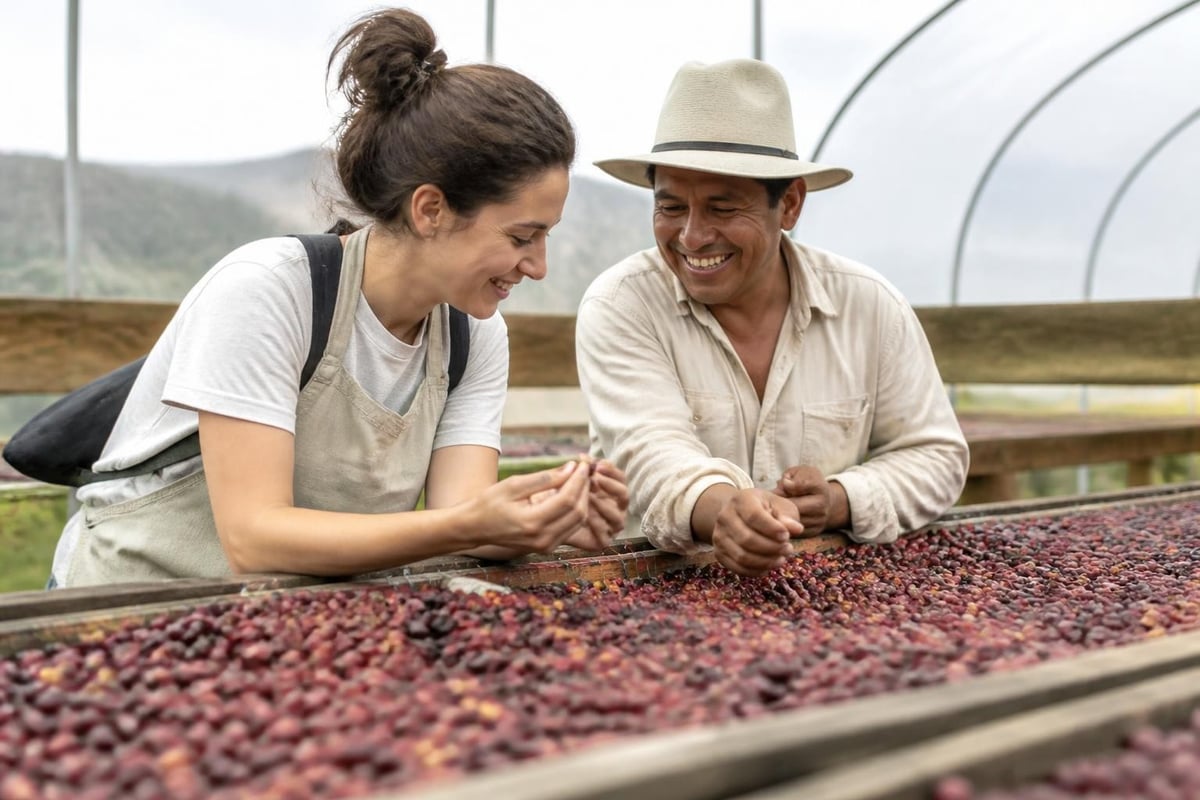
According to the National Coffee Association's specialty coffee data, 51% of American coffee consumed in 2026 qualifies as specialty, reflecting growing consumer appreciation for quality and provenance.
Creating the In-Store Experience
Walking into a coffee specialty store engages all five senses immediately. The aroma of fresh roasts greets you at the door. Glass jars line shelves, each label telling a micro-lot's story. A grinder hums somewhere behind the counter. The barista looks up, ready to discuss tasting notes or recommend something new.
Education as Service
The best specialty stores function as informal coffee schools. Staff members often hold certifications in:
- Barista skills and espresso preparation
- Brewing fundamentals and extraction science
- Sensory analysis and cupping protocols
- Green coffee sourcing and quality assessment
- Roasting techniques and profile development
This expertise transforms a transaction into a conversation. A customer wondering about pour-over ratios leaves with knowledge, not just beans. Someone curious about natural processing learns how sun-dried cherries create berry-forward flavors.
| Store Element | Conventional Approach | Specialty Store Approach |
|---|---|---|
| Coffee Selection | Pre-ground, branded blends | Single-origin, fresh-roasted, whole bean |
| Staff Training | Basic product knowledge | SCA-certified, origin-educated |
| Customer Interaction | Transactional | Educational, consultative |
| Sourcing Info | Minimal or absent | Detailed origin, farmer, process data |
| Equipment Offered | Standard drip machines | Pour-over gear, grinders, precision tools |
The Flavor-First Philosophy
A coffee specialty store curates its inventory based on flavor profiles rather than brand recognition. You might find a washed Ethiopian Sidama with jasmine and bergamot notes alongside a natural-processed Burundi bursting with blackberry and stone fruit. Each coffee occupies shelf space because it offers something distinct.
The World Coffee Research Sensory Lexicon provides a standardized language for describing these flavors, helping both retailers and customers communicate about taste with precision. When a store describes a Guatemala as having "brown sugar sweetness with cocoa and almond," they're drawing on this shared vocabulary.
Seasonal Rotation and Limited Releases
Specialty stores rotate offerings to reflect harvest cycles and celebrate seasonal availability. Spring might bring bright, floral East African coffees. Fall often showcases heavier Central American lots perfect for cooler mornings. Limited micro-lots create excitement, encouraging customers to explore rather than settle into routine.
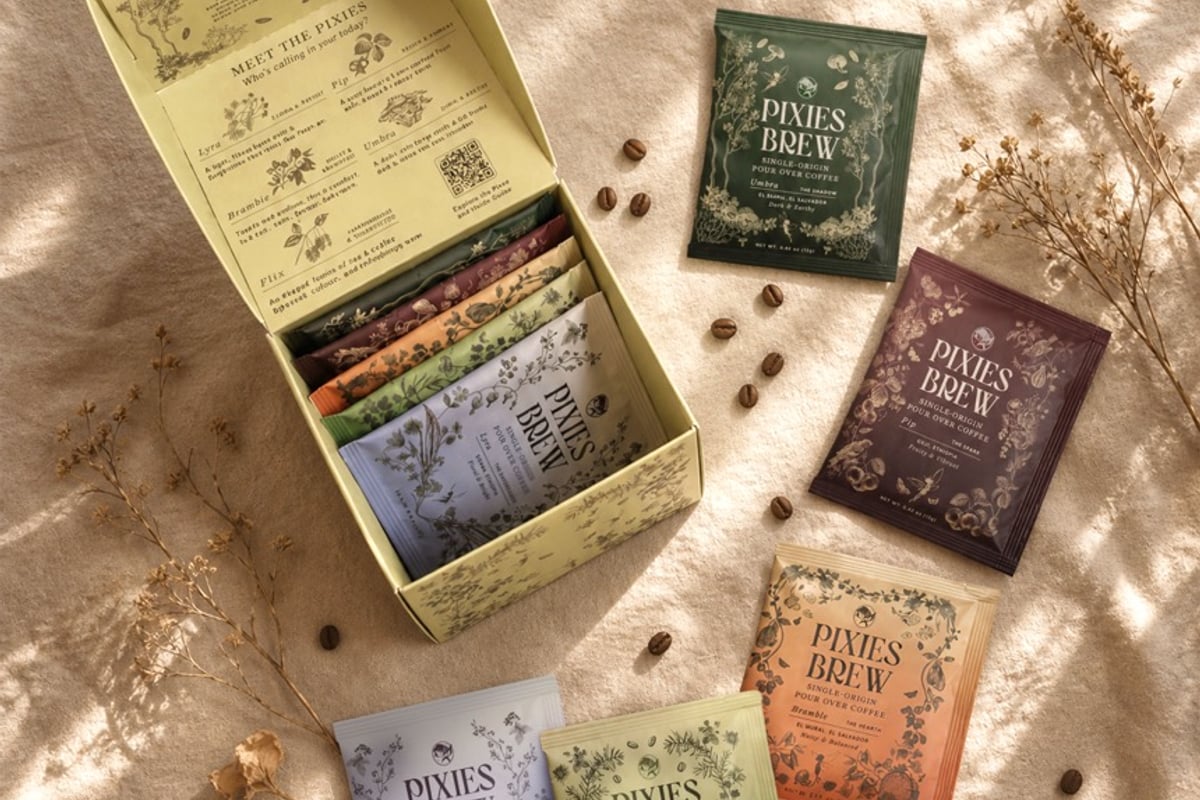
This approach mirrors what we do at Pixies Brew, where each sachet carries its own personality-from Lyra's Bloom with its delicate floral notes to Bramble's Hearth offering warm, comforting depth. The Pixies Brew Discovery Set brings five distinct specialty-grade blends together, letting you taste the range of what single-origin coffees can offer while honoring the ritual of slowing down.
Building Community Beyond Commerce
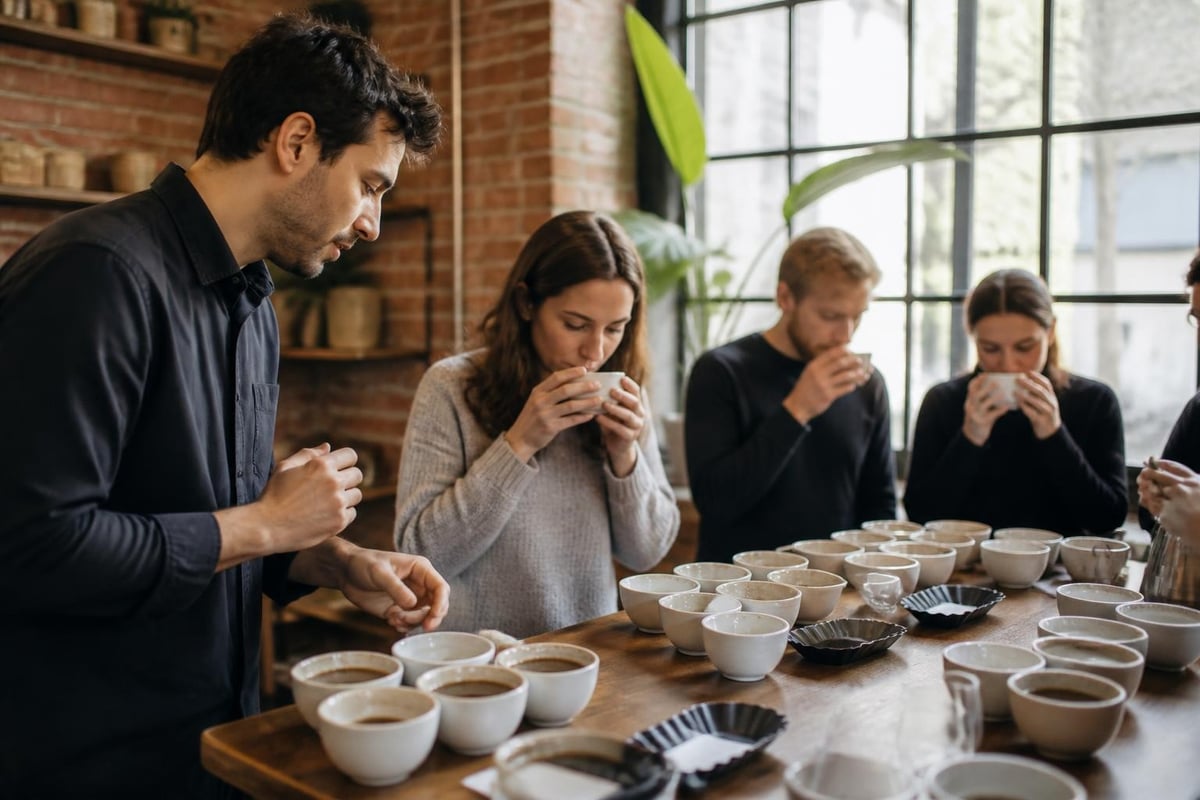
The modern coffee specialty store functions as a third place, somewhere between home and work where connections form over shared appreciation. Some host cupping events where customers taste coffees side-by-side, developing their palates together. Others offer brewing workshops, teaching the difference between immersion and percolation methods.
Events That Educate and Connect
- Weekly public cuppings with rotating single origins
- Brew method demonstrations covering AeroPress, Chemex, and siphon techniques
- Meet-the-roaster sessions with Q-graders and green coffee buyers
- Latte art throwdowns and barista competitions
- Origin presentations featuring video calls with farmer partners
These gatherings transform casual customers into community members. Someone attending their first cupping might discover they prefer natural-processed coffees. A regular at brewing workshops gradually refines their home setup. The store becomes not just where you buy coffee, but where you deepen your relationship with it.
The Home Brewing Connection
A coffee specialty store recognizes that most cups get brewed at home. Staff help customers translate café quality into their own kitchens by recommending appropriate equipment and teaching proper technique. The goal isn't to sell the most expensive grinder, but to match tools with the customer's actual brewing habits and commitment level.
Equipment Guidance by Brew Style
For pour-over enthusiasts:
- Burr grinders with consistent particle size
- Gooseneck kettles for controlled pouring
- Scales accurate to 0.1 grams
- Filters matched to dripper geometry
For immersion brewing:
- French press or AeroPress systems
- Coarser grind settings
- Timers for consistent steep duration
- Temperature-controlled kettles
For convenience without compromise:
- Pre-portioned specialty coffee in sealed sachets
- Lightweight pour-over drippers for travel
- Insulated mugs that maintain temperature
Many customers seek the quality of specialty coffee without the equipment investment or learning curve. This is where innovation meets ritual-specialty-grade beans ground fresh and nitrogen-flushed preserve flavor while eliminating the barrier of grinders and scales.
Sustainability and Ethics at the Counter
In 2026, a credible coffee specialty store addresses sustainability head-on. Customers want to know their purchase supports farming communities and environmental stewardship. Stores respond by prioritizing certifications, sharing impact reports, and building transparent supply relationships.
The Fairtrade International coffee standards provide one framework for ensuring farmers receive minimum prices and community development premiums. Many specialty stores go further, paying well above Fair Trade minimums through direct relationships.
Communicating Impact
| Sustainability Practice | Customer Benefit | Farmer Benefit |
|---|---|---|
| Direct trade relationships | Traceability, unique lots | Higher prices, long-term partnerships |
| Organic certification | Chemical-free farming | Soil health, reduced exposure |
| Shade-grown coffee | Bird habitat preservation | Biodiversity, ecosystem services |
| Water-conscious processing | Reduced environmental impact | Lower operating costs, cleaner water |
Smart stores display origin maps, share harvest updates on social media, and invite customers to contribute to farmer-support initiatives. Transparency builds trust. When you know your morning coffee helped fund a school in a farming community, the ritual gains deeper meaning.
Starting Your Own Coffee Specialty Store
For entrepreneurs considering opening a coffee specialty store, 2026 offers both opportunities and challenges. The market has matured, with customers increasingly educated about quality. Competition exists, but so does room for stores with distinct points of view and strong community connections.
Essential Planning Steps
- Develop your specialty focus (single-origin emphasis, specific regional sourcing, particular roast profiles)
- Build supplier relationships before opening day
- Invest in staff training using SCA certification programs
- Create an educational content strategy for in-store and online engagement
- Design your space to encourage lingering and learning
- Plan your equipment needs for both retail and any café service
The Small Business Administration's planning resources help navigate permits, financing, and local compliance requirements specific to food retail.
Location matters less than intention. A small storefront with deep knowledge can outperform a large space without soul. Online specialty stores thrive by offering curated selections, detailed tasting notes, and educational content that brings the café experience home.
The Future of Specialty Coffee Retail
Looking ahead, coffee specialty stores continue evolving to meet changing customer needs. Convenience and quality no longer compete-they complement each other. Customers want exceptional coffee that fits their actual lives, whether that means quick weekday brewing or elaborate weekend rituals.
Emerging Trends
- Hyper-local micro-roasting within retail spaces
- Subscription models offering rotating single-origins delivered monthly
- Virtual origin tours connecting customers with farming communities
- Pre-portioned specialty options for quality without equipment barriers
- Carbon-neutral shipping and compostable packaging
- Flavor-profile quizzes helping customers discover their preferences
Technology enhances rather than replaces the human element. A well-designed online store still needs knowledgeable staff answering questions, curating selections, and telling origin stories. The Specialty Coffee Association's retail resources offer guidance on balancing digital tools with personal service.
Frequently Asked Questions
What makes a coffee specialty store different from regular coffee shops? A coffee specialty store focuses on sourcing, roasting, and selling high-quality beans (80+ points on SCA scale) with full traceability. Staff possess deep knowledge about origins, processing methods, and brewing techniques. The emphasis is on education, transparency, and coffee as a craft rather than a commodity.
How do I choose coffee at a specialty store? Start by describing what you enjoy-brightness or richness, fruit notes or chocolate, light or dark. Staff can recommend origins and roast levels matching your preferences. Many stores offer sample tastings. Don't hesitate to ask about origin stories or brewing recommendations.
Is specialty coffee worth the higher price? Specialty coffee costs more because farmers receive fair compensation, quality control is rigorous, and roasting is a craft process. You're paying for traceability, sustainability, and complexity of flavor. Most find the increased cost worthwhile for the superior taste and ethical sourcing.
Can I brew specialty coffee without expensive equipment? Absolutely. While equipment helps, you don't need a full setup to enjoy specialty coffee. Pour-over sachets, simple drippers, or even a French press can produce excellent results with quality beans. Focus on fresh coffee, proper water temperature, and correct ratios.
How fresh should specialty coffee be? Ideally, brew coffee within 2-4 weeks of roasting for peak flavor. Specialty stores date their bags and rotate stock frequently. Whole beans stay fresh longer than pre-ground. Store in an airtight container away from light, heat, and moisture.
The coffee specialty store stands as a testament to craft, community, and conscious consumption. Whether you're stepping into a neighborhood shop or exploring specialty options online, you're participating in a global movement that values quality, transparency, and the ritual of slowing down. At Pixies Brew, we honor this tradition by offering specialty-grade coffees in thoughtfully crafted sachets-each one an invitation to pause, brew, and reconnect with the magic found in intentional moments.
