


Decaf Specialty Coffee: Flavor Without the Caffeine
The best part of morning ritual doesn't have to come with jitters. Decaf specialty coffee has evolved from the bitter afterthought of decades past into a sophisticated craft that honors origin, terroir, and the slow ceremony of brewing. Today's decaf offerings preserve the complexity you'd expect from single-origin beans while making that 3 p.m. cup or evening wind-down possible without disrupting sleep. It's coffee for when you want the ritual without the rush, the warmth without the wake-up call.
The Evolution of Decaf in Specialty Coffee Culture
For years, ordering decaf felt like admitting defeat. Coffee shops relegated it to forgotten corners, and roasters treated it as an obligation rather than an opportunity. That narrative has shifted dramatically since 2020, as both producers and consumers began demanding better.
The specialty coffee movement finally caught up with decaf around 2022, when pioneering roasters started sourcing high-grade green coffee specifically for decaffeination. Instead of using commercial-grade beans destined for the supermarket shelf, they began selecting the same Ethiopian Yirgacheffe, Colombian Huila, and Costa Rican Tarrazú lots they'd showcase in their caffeinated lineups.
Why Quality Matters in Decaffeination
The foundation of exceptional decaf specialty coffee lies in the beans themselves. When you start with 84-point specialty-grade green coffee, carefully decaffeinated, you end with something that actually tastes like where it came from. The floral notes of an Ethiopian natural process, the caramel sweetness of a Colombian washed lot, the bright citrus of a Kenyan AA-these characteristics can survive decaffeination when the process is done right.
Key factors that determine decaf quality:
- Green coffee score before processing (specialty grade vs. commercial)
- Decaffeination method used and its precision
- Time between decaffeination and roasting
- Roaster skill in developing flavor post-process
- Packaging that preserves freshness after roasting
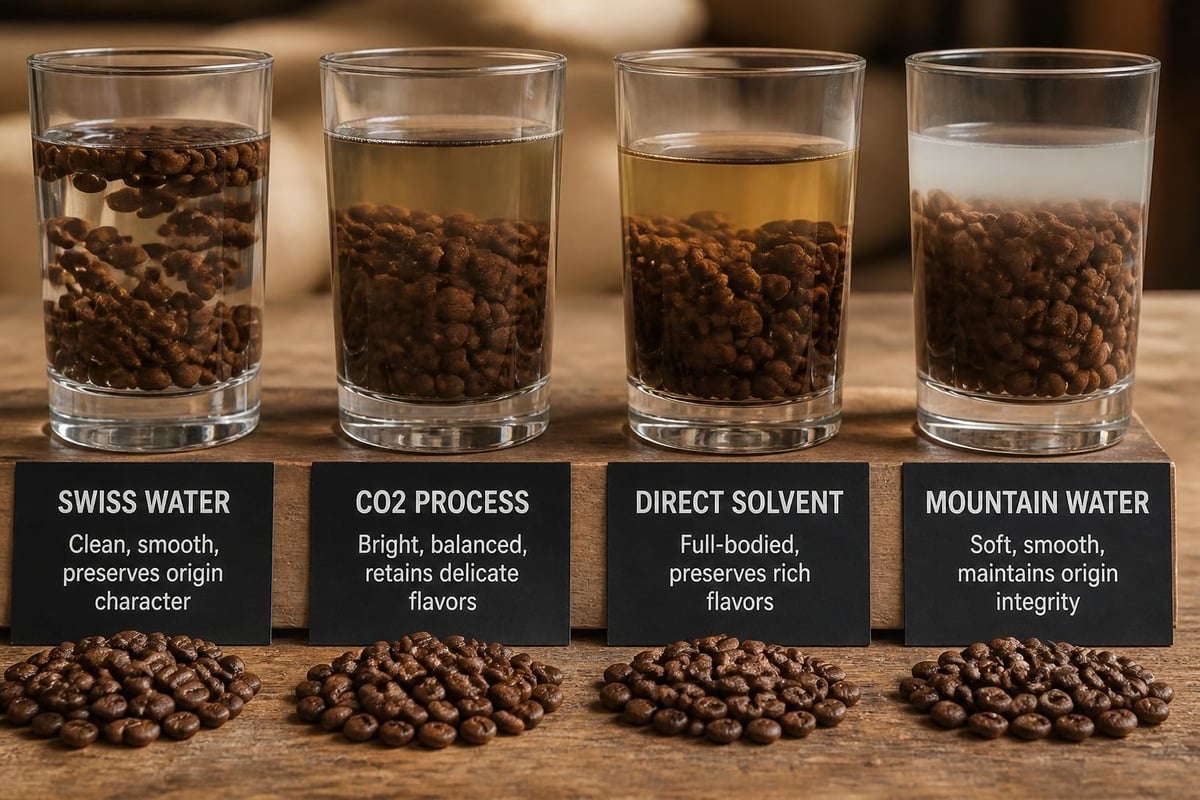
How Decaffeination Actually Works
The science behind removing caffeine while keeping flavor intact involves careful chemistry and timing. According to industry resources from the National Coffee Association, the FDA requires that decaf coffee have at least 97% of its caffeine removed-most specialty processes achieve 99.9%.
All decaffeination happens before roasting, when beans are still green. The caffeine molecule is water-soluble, which means it can be coaxed out if you know how to open the bean's structure without destroying the compounds that create flavor.
The Swiss Water Process
This trademarked method uses only water, temperature, and time. Green coffee soaks in hot water, which extracts both caffeine and flavor compounds. That first batch of beans gets discarded, but the water-now saturated with flavor molecules but filtered free of caffeine-becomes the medium for future batches.
New green coffee soaks in this flavor-charged water. Because the water is already saturated with coffee solubles, it only pulls out caffeine. The beans retain their essential character. This process takes longer and costs more, which is why Swiss Water decaf commands premium pricing.
CO2 Processing
The liquid carbon dioxide method works like a precision instrument. Under high pressure, CO2 becomes supercritical-behaving as both liquid and gas-and bonds specifically with caffeine molecules. The detailed sourcing guide from Ethio Coffee notes this method's exceptional selectivity, pulling caffeine while leaving flavor compounds largely intact.
Large commercial operations favor CO2 processing because it's efficient and repeatable. For specialty coffee, it offers excellent flavor preservation, though it requires significant infrastructure investment.
| Method | Caffeine Removal | Flavor Impact | Cost Factor | Best For |
|---|---|---|---|---|
| Swiss Water | 99.9% | Very clean | Higher | Single-origin showcase |
| CO2 Process | 99.9% | Excellent retention | Moderate-High | Consistent quality at scale |
| Direct Solvent | 97-99% | Good when done well | Lower | Blends, commercial |
| Mountain Water | 99.9% | Similar to Swiss Water | Moderate | Clean, chemical-free |
Solvent-Based Methods
Direct and indirect solvent methods use ethyl acetate or methylene chloride to bond with caffeine. Despite concerns about "chemicals," these solvents occur naturally-ethyl acetate exists in fruits-and evaporate completely during roasting. Recent research on ester-based solvents in direct extraction explores even more sustainable options that maintain chlorogenic acids and other flavor-forward compounds.
The quality gap between solvent methods and water/CO2 methods has narrowed significantly. Skilled processors using food-grade solvents can produce decaf that blind-tasters struggle to distinguish from caffeinated coffee.
What Decaf Specialty Coffee Tastes Like
Here's the truth: well-processed decaf from quality beans tastes remarkably like its caffeinated counterpart. The mouthfeel might be slightly thinner, the brightness a touch softer, but the fundamental character remains.
When you brew a single-origin decaf Ethiopian natural process, you should still taste blueberry, jasmine, and bergamot. A decaf Colombian should still offer milk chocolate, toasted nuts, and gentle fruit. The terroir speaks through, just at a slightly lower volume.
Describing Decaf Through the Senses
Aroma: The dry grounds release less intense fragrance than fully caffeinated coffee-caffeine contributes to aromatics-but properly roasted decaf still offers complex scent layers. Expect gentle fruit, subtle florals, or warm spice depending on origin and roast level.
Taste: Sweetness comes through beautifully in decaf. Without caffeine's bitter edge, natural sugars in the coffee shine. You might notice caramel, honey, or fruit-forward notes more clearly. Acidity remains, though sometimes softer-think ripe fruit rather than crisp citrus.
Mouthfeel: This is where decaf shows its greatest difference. Caffeine contributes to body and viscosity, so decaf can feel lighter on the palate. Not thin or watery if processed and roasted well, but noticeably less coating than full-caf versions.
Aftertaste: Clean decaf leaves a pleasant finish-subtle sweetness, gentle acidity, minimal bitterness. The best versions linger with the same grace as their caffeinated siblings, inviting another sip rather than fading into nothing.
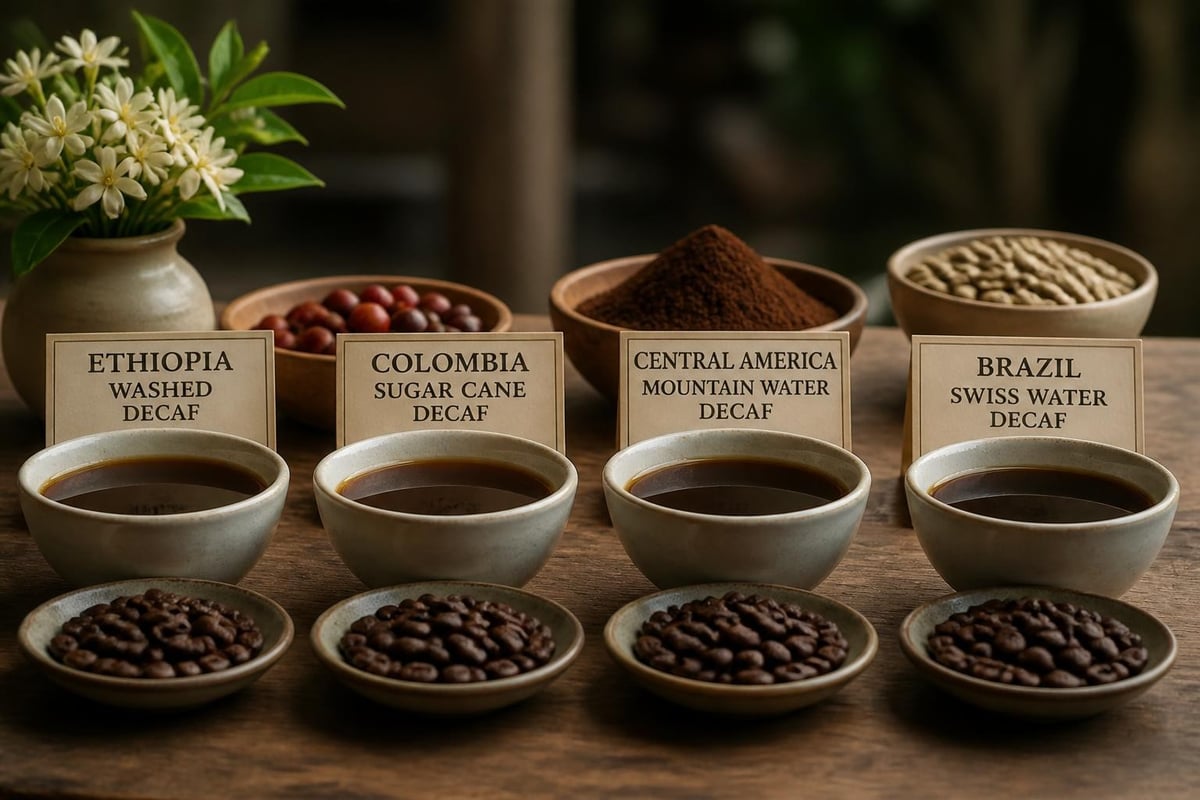
Finding Your Decaf Ritual
The beauty of decaf specialty coffee lies in liberation. You're no longer bound by caffeine's timeline-no cutoff times, no calculating how your evening cup affects tomorrow's sleep. The ritual becomes pure: the water heating, the bloom spreading, the first sip taken simply because you want it.
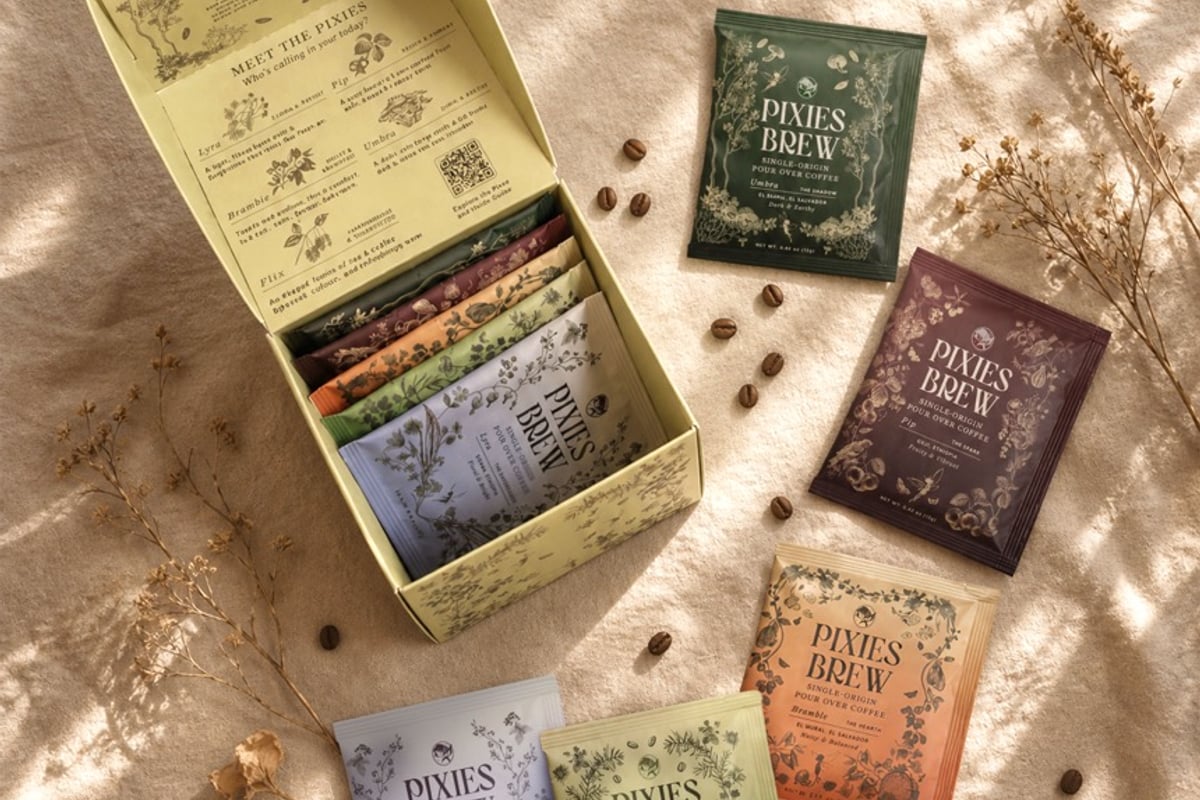
At Pixies Brew, we understand that coffee is more than fuel. Our brew ritual centers on pause and presence, whether you're reaching for caffeinated or decaf. Each pourover sachet delivers specialty-grade coffee nitrogen-flushed for freshness, designed for the moments when you need to step away from the rush.
When to Choose Decaf
The afternoon slump hits, but you've already had two cups. You want the ritual, not the jitters. Evening unwinding calls for warmth in your hands and something to sip while the day settles. Pregnancy or health considerations might make caffeine reduction necessary, but flavor doesn't have to be the sacrifice.
Some coffee lovers rotate: caffeinated mornings to greet the day, decaf afternoons and evenings to extend the ritual. Others go fully decaf, choosing coffee for taste and ceremony alone, letting sleep schedules and energy levels stabilize naturally.
Brewing Decaf for Maximum Flavor
Decaf beans are slightly more porous than untouched beans due to processing. This affects extraction, making brewing parameters matter even more.
Temperature and Time
Water temperature: Aim for 200-205°F, same as caffeinated coffee. The slightly increased porosity doesn't require temperature adjustments, though some brewers report success at the higher end of that range.
Brew time: Standard pour-over timing works well-2.5 to 3.5 minutes total for most methods. If your decaf tastes weak, resist the urge to over-extract. Instead, increase your coffee-to-water ratio slightly.
Grind size considerations:
- Start with your normal grind setting
- If extraction seems fast, go slightly finer
- Taste for balance before making dramatic changes
- Remember decaf won't have caffeine's bitter backbone to hide under-extraction
The Pixies Brew Discovery Set makes exploring different flavor profiles simple-each specialty-grade sachet comes pre-portioned and nitrogen-sealed, requiring only a cup and hot water. Perfect for slow mornings, travel days, or anywhere you need a moment back to yourself.
Pour-Over Techniques for Decaf
The gentle pour-over method suits decaf beautifully, allowing you to control extraction and highlight the coffee's natural sweetness. If you're exploring single-serve options without pods, traditional techniques work perfectly with quality decaf.
Start with a 30-second bloom using twice the weight of water to coffee. Let the grounds off-gas-yes, even decaf produces CO2 during roasting-before beginning your main pour. Use slow, concentric circles to ensure even saturation, and don't rush the drawdown.
The Market Reality of Decaf in 2026
Consumer perception has shifted dramatically. Rankings from specialty decaf coffee reviews show that process transparency and origin traceability now drive purchasing decisions. People want to know not just that their coffee is decaf, but how it became decaf and where the beans originated.
Price premiums for specialty decaf have stabilized. Expect to pay 20-40% more than equivalent caffeinated coffee, reflecting the added processing costs and typically smaller production runs. Roasters who invested in quality decaf programs during the pandemic have built loyal followings willing to pay for consistency and transparency.
What to Look For When Buying
- Process disclosure: Reputable roasters state exactly how their decaf was processed
- Origin specificity: "Decaf Blend" tells you nothing; "Swiss Water Decaf Colombia Huila" tells you everything
- Roast date: Decaf stales faster than caffeinated coffee due to increased porosity
- Packaging: Nitrogen-flushed or vacuum-sealed options maintain freshness longer
- Roaster reputation: Companies that care about their caffeinated offerings bring that same care to decaf
Pairing Decaf With Your Day
Morning doesn't own coffee anymore. Decaf specialty coffee opens the entire day to ritual and flavor, creating natural pause points when you need them most.
Mid-morning reset: Between morning caffeine and lunch, a decaf pour-over offers sensory ritual without compounding stimulation. Choose a bright, fruit-forward option that refreshes rather than energizes.
Afternoon reflection: This is decaf's prime time. The 2-4 p.m. window when another caffeinated cup would interfere with evening wind-down. Rich, chocolatey decaf profiles work beautifully here, paired with journaling, reading, or simply staring out windows.
Evening sanctuary: After dinner, when caffeine is absolutely off-limits but the desire for something warm and complex remains. Gentle, low-acid decaf origins like Brazilian naturals or Sumatran profiles complement the day's ending rather than disrupting what comes next.
Night owl sessions: For creative work, study, or conversation that extends past normal hours, decaf keeps hands warm and thoughts flowing without sabotaging tomorrow's wake-up.

Common Questions About Decaf Specialty Coffee
Does decaf coffee have any caffeine at all?
Yes, but minimal. A typical 8 oz cup of decaf contains 2-5 mg of caffeine, compared to 95-200 mg in regular coffee. For reference, that's less caffeine than a single square of dark chocolate. The 99.9% removal rate means trace amounts remain, but not enough to affect most people's sleep or create dependence.
Why does some decaf taste flat or lifeless?
Poor-quality source beans or incorrect roasting profiles create flat decaf. When roasters use low-grade coffee for decaffeination or fail to adjust roast development for increased porosity, the result tastes exactly like what it is-an afterthought. Quality decaf starts with quality green coffee and skilled roasting technique.
Can I cold brew decaf coffee?
Absolutely. The longer extraction time of cold brewing works beautifully with decaf's increased porosity, creating smooth, sweet concentrate without bitterness. Use a slightly higher coffee-to-water ratio than you would for hot brewing-about 1:6 instead of 1:8-to account for gentler extraction.
How long does decaf stay fresh?
Treat decaf like caffeinated coffee, but with slightly shorter windows. Whole bean decaf peaks 3-14 days after roasting and maintains quality for 3-4 weeks if properly stored. Pre-ground decaf stales within days unless nitrogen-flushed and sealed immediately. Store in an airtight container away from light, heat, and moisture.
Is Swiss Water Process always better than other methods?
Not necessarily. Swiss Water and CO2 methods both produce excellent results with different cost structures. Well-executed solvent methods using ethyl acetate can rival them for flavor while reducing environmental impact. The "best" method depends on your priorities: absolute chemical-free processing, flavor retention, sustainability, or cost.
Decaf and the Future of Specialty Coffee
The specialty coffee industry's relationship with decaf represents a broader shift toward inclusivity and intentionality. Coffee doesn't have to be about productivity hacking or caffeine delivery. It can be about flavor, ritual, and the small moments of beauty in ordinary days.
Research continues into gentler decaffeination methods, naturally low-caffeine cultivars, and processing innovations that preserve even more of the bean's essential character. Some experimental farms are cultivating coffee varieties with naturally occurring low caffeine-though truly caffeine-free coffee remains elusive without processing intervention.
As the Grove teaches us through changing seasons and patient growth, the best things develop slowly. Decaf specialty coffee has taken decades to reach its current quality level. The roasters, processors, and farmers who refused to accept "good enough for decaf" have created something worthy of slow sipping and genuine appreciation.
Whether you're exploring options for camping trips where convenience matters, seeking the best single-cup brewing methods, or simply building a more intentional daily ritual, decaf specialty coffee offers the full sensory experience without the caffeine constraints. The magic isn't in the buzz-it's in the pause, the aroma, the first sip taken simply because you wanted it.
Decaf specialty coffee has finally claimed its rightful place in the craft coffee world, offering origin character and ritual beauty without caffeine's timeline. Whether you're seeking afternoon pause or evening reflection, quality decaf delivers the full sensory experience you deserve. Pixies Brew brings that magic to your cup through specialty-grade sachets designed for moments when you need to step away from the rush and simply be-caffeinated or not, the ritual remains yours.
