


The Best Ground Coffee for Slow Mornings in 2026
The best ground coffee is the one you brew within two weeks of grinding, stored properly, and matched perfectly to your brewing method and taste. That's the short answer. The longer story involves understanding how grind size, freshness windows, and flavor preservation transform your daily ritual from routine to remarkable. In 2026, with specialty coffee more accessible than ever, choosing pre-ground coffee doesn't mean sacrificing quality-it means being smarter about what you buy, how you store it, and when you brew it.
The Freshness Window: Why Timing Changes Everything
When coffee beans meet the grinder, something magical and devastating happens simultaneously. The oils and aromatics locked inside each bean burst into the open air, ready to transform hot water into something extraordinary. But that same exposure starts a countdown clock.
Ground coffee begins losing volatile compounds within minutes of grinding. Within the first week, you'll notice the difference. By week three, even the best ground coffee tastes flat compared to its fresh-ground counterpart.
Here's what happens to ground coffee over time:
- 0-3 days: Peak flavor, full aromatic complexity, vibrant notes
- 4-7 days: Still excellent, minor degradation in brightness
- 8-14 days: Good quality, noticeable flattening of high notes
- 15-21 days: Declining fast, muted flavors, stale undertones
- 22+ days: Significantly compromised, drink out of necessity not pleasure
The science behind this degradation matters. Proper storage techniques can slow the process, but they can't stop it entirely. Oxygen is coffee's enemy, and ground coffee has exponentially more surface area exposed to air than whole beans.
Understanding the Oxidation Process
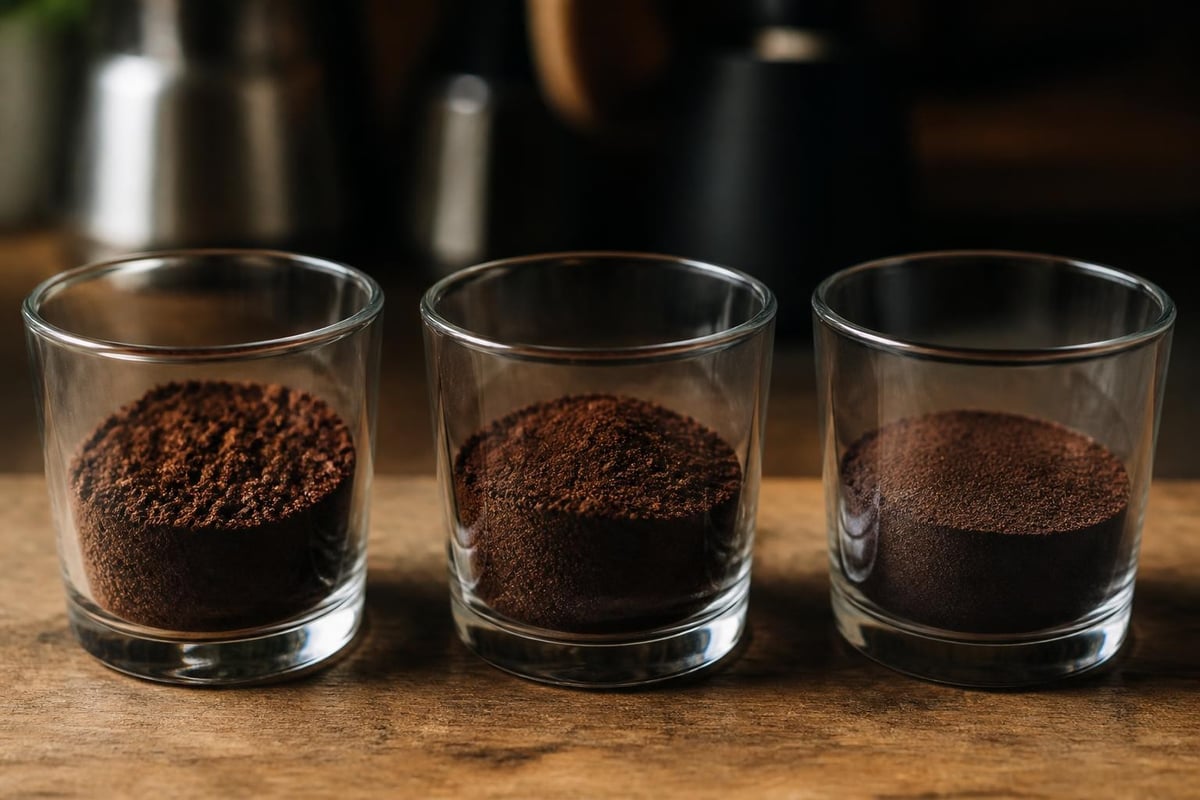
Coffee contains over 1,000 aromatic compounds. When beans are ground, these compounds begin oxidizing immediately. The smaller the grind, the faster the degradation. Espresso grinds lose their edge faster than coarse French press grinds because of increased surface exposure.
This is where innovation matters. Some roasters now flush their ground coffee packages with nitrogen to displace oxygen, extending that freshness window. Others use vacuum-sealed packaging or one-way valves that let CO2 escape while keeping oxygen out.
Grind Size Matters More Than You Think
Walk into any coffee shop and you'll see grinders with a dozen settings. That's not pretension-it's precision. The best ground coffee for your French press is catastrophically wrong for your espresso machine.
| Brew Method | Grind Size | Extraction Time | Why It Matters |
|---|---|---|---|
| Espresso | Extra fine | 25-30 seconds | High pressure needs resistance |
| Pour-over | Medium-fine | 2.5-3.5 minutes | Balanced extraction, clear flavors |
| Drip coffee | Medium | 4-6 minutes | Even saturation, consistent brew |
| French press | Coarse | 4 minutes | Prevents over-extraction, reduces sediment |
| Cold brew | Extra coarse | 12-24 hours | Slow extraction, smooth results |
If you're buying pre-ground coffee, matching the grind to your method is non-negotiable. A medium grind marketed for drip coffee makers will create a bitter, over-extracted mess in your French press and a weak, under-extracted disappointment in your espresso machine.
Many coffee enthusiasts overlook this fundamental truth: grind size controls extraction, and extraction controls flavor. Too fine for your method means bitter, harsh notes. Too coarse means sour, weak coffee that tastes like sadness.
Specialty-Grade vs. Commercial: What "Best" Really Means
Not all coffee is created equal, and the gap between specialty-grade and commercial-grade beans is vast. The Specialty Coffee Association scores coffee on a 100-point scale. Specialty-grade coffee scores 80 or above. Most supermarket ground coffee? It doesn't even qualify for scoring.
What separates specialty from commercial:
- Bean selection: Specialty roasters choose single-origin or carefully curated blends
- Roasting precision: Small-batch roasting with attention to each bean's characteristics
- Traceability: You can often trace specialty coffee to specific farms or regions
- Freshness: Specialty roasters grind and package in smaller quantities
When tasting panels evaluate ground coffee, as in the recent Which? blind tasting, they score on aroma, flavor, body, and aftertaste. The winners consistently come from roasters who prioritize bean quality and freshness over shelf life and cost efficiency.
Flavor Profiles: Finding Your Personal Best
The best ground coffee for your neighbor might taste completely wrong to you. Coffee flavor exists on multiple spectrums: brightness to earthiness, fruity to chocolatey, light to bold.
Consider these common flavor profiles:
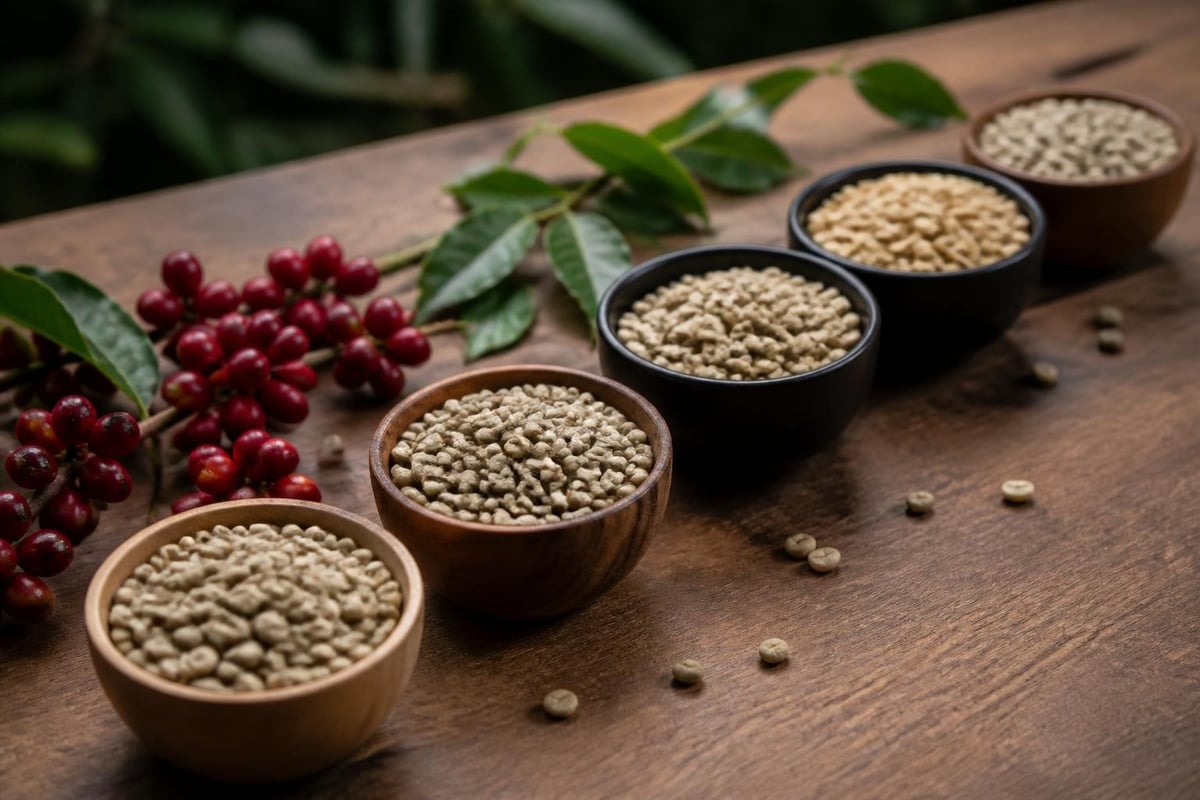
Bright and Fruity: African coffees, especially Ethiopian and Kenyan, often showcase berry notes, floral aromatics, and citrus brightness. These coffees sing in pour-over methods where clarity matters.
Nutty and Chocolatey: Central and South American coffees tend toward cocoa, hazelnut, and caramel notes. They create comforting, familiar cups that work beautifully in drip coffee makers.
Earthy and Bold: Indonesian coffees bring tobacco, dark chocolate, and herbal notes. These full-bodied brews stand up well to milk and shine in French press preparations.
Balanced and Complex: Thoughtfully crafted blends can combine multiple origins to create layered experiences with evolving flavors from first sip to last.
Storage Solutions That Actually Preserve Freshness
You've found the best ground coffee. Now don't ruin it with poor storage. Light, heat, moisture, and oxygen are the four horsemen of coffee apocalypse.
The ideal storage environment:
- Airtight container (not the bag it came in, even if resealable)
- Cool, dark location (not the fridge or freezer)
- Consistent temperature
- Low humidity
- Minimal air space in the container
Many coffee lovers make the freezer mistake. While freezing whole beans can work for long-term storage, ground coffee is too porous. It absorbs moisture and odors, and the freeze-thaw cycle damages the delicate cell structure you're trying to preserve.
Expert tips for keeping pre-ground coffee fresh emphasize the importance of dividing large quantities into smaller portions. If you buy a pound of ground coffee, portion it into week-sized amounts in separate airtight containers. Only expose one portion to repeated opening while the others stay sealed.
The Single-Serve Solution
There's another approach to the freshness problem: single-serve packaging that's portioned and sealed immediately after grinding. This method eliminates the repeated exposure issue entirely. Each serving stays fresh until you're ready to brew it.
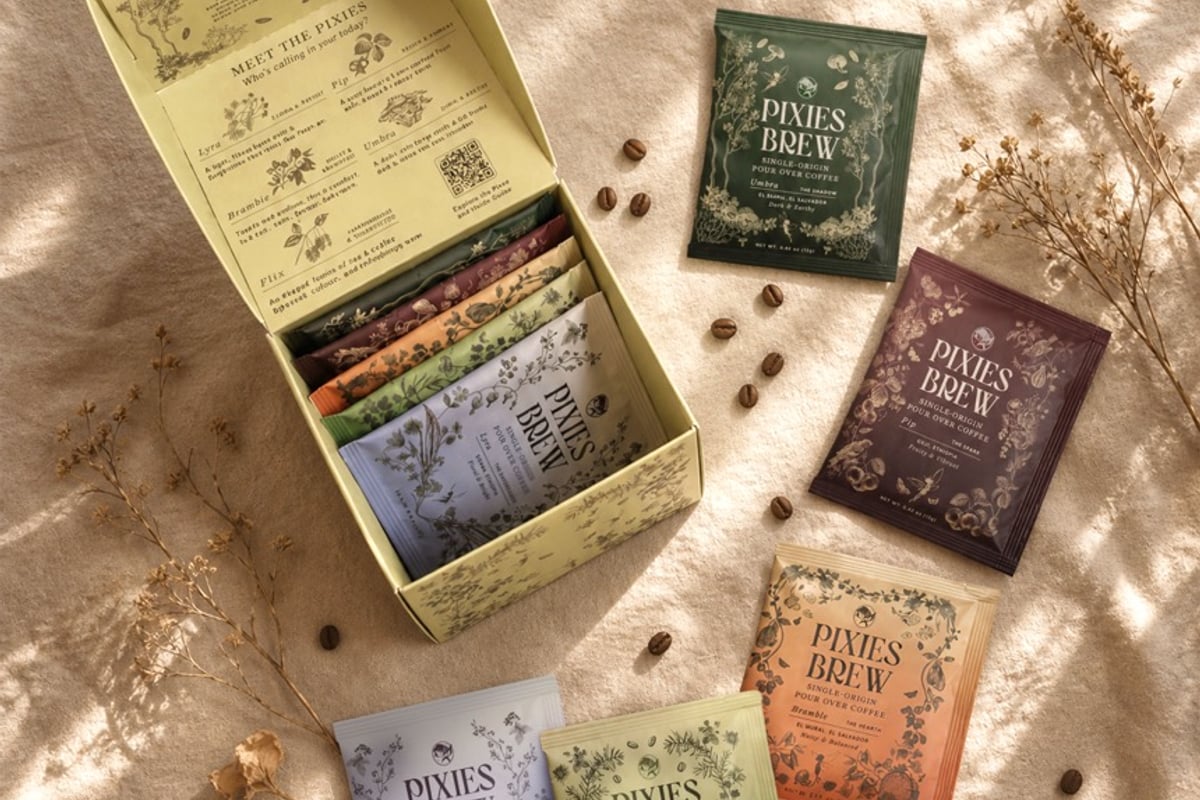
Pixies Brew has reimagined this concept with their specialty-grade sachets, where coffee is ground fresh, flushed with nitrogen, and sealed in individual portions. The result is ground coffee that tastes remarkably fresh even weeks after packaging. If you're curious about exploring multiple flavor profiles while maintaining peak freshness, the Pixies Brew Discovery Set brings together five distinct specialty-grade blends in single-serve sachets-perfect for finding your personal favorite without committing to a full bag that might lose its magic before you finish it.
Brewing Methods That Honor Your Grounds
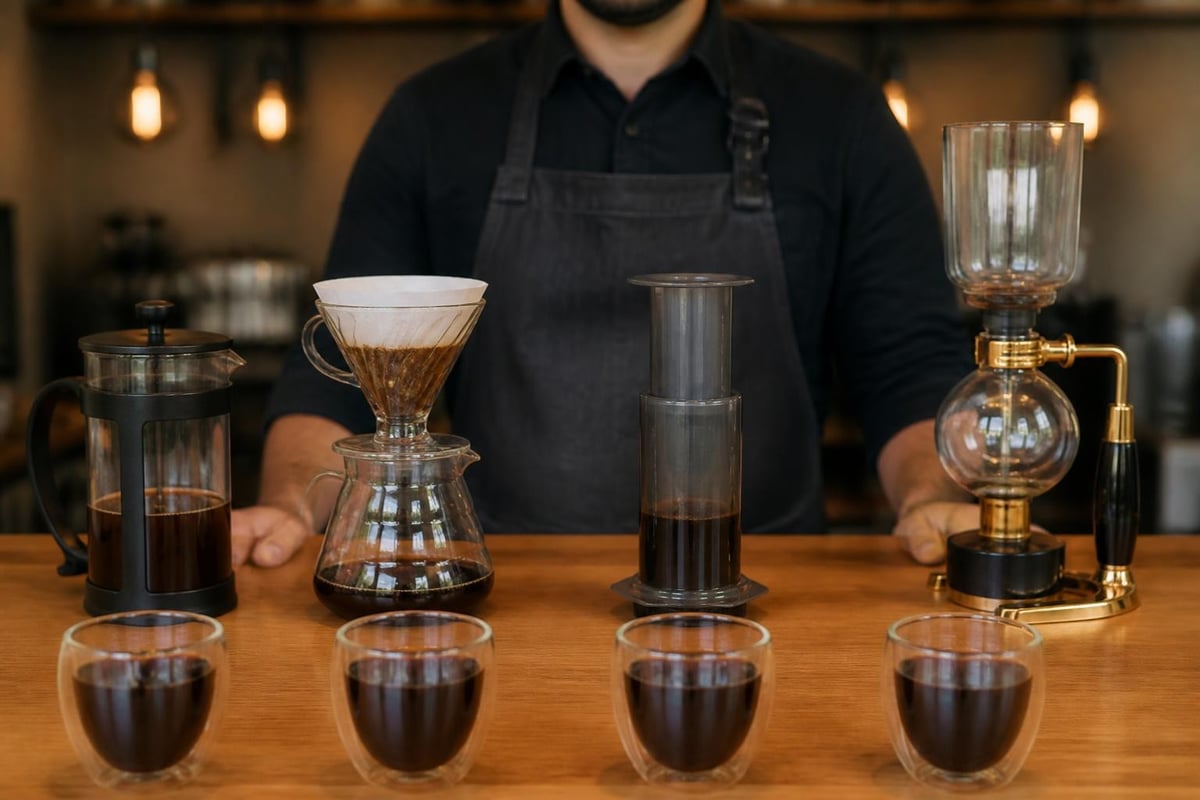
Even the best ground coffee needs proper brewing to reach its potential. Water temperature, coffee-to-water ratio, and extraction time form a trinity of variables that determine whether your cup sings or falls flat.
The Golden Ratio
Start with 1:16 as your baseline-one gram of coffee to sixteen grams of water. That's roughly two tablespoons of ground coffee per six ounces of water. From there, adjust to taste:
- Want stronger? Go to 1:15 or even 1:14
- Prefer lighter? Move toward 1:17 or 1:18
- Taste bitter? You're over-extracting (too fine, too hot, or too long)
- Taste sour? You're under-extracting (too coarse, too cool, or too short)
Water temperature matters intensely:
- 195-205°F (90-96°C) is the sweet spot for most methods
- Below 195°F and you'll under-extract
- Above 205°F and you'll pull harsh, bitter compounds
Consistency matters more than perfection. If you find a method that works, repeat it exactly. Small variations in timing or temperature create noticeable flavor changes.
Regional Differences: A World Tour in Your Cup
The best ground coffee might come from Ethiopia, Colombia, Indonesia, or a skilled roaster's blend of all three. Geography shapes flavor in profound ways.
| Region | Typical Flavors | Best Brewing Method | Why It Works |
|---|---|---|---|
| Ethiopia | Blueberry, jasmine, bergamot | Pour-over | Highlights delicate florals |
| Colombia | Caramel, nuts, mild fruit | Drip or French press | Balanced, approachable |
| Brazil | Chocolate, nuts, low acidity | Espresso | Full body, sweet finish |
| Sumatra | Earth, herbs, tobacco | French press | Bold flavors shine |
| Kenya | Blackcurrant, citrus, wine-like | Pour-over | Showcases complexity |
Growing altitude affects density and flavor development. Higher-altitude beans (grown above 4,000 feet) tend toward brighter, more complex flavors. Lower-altitude beans offer more body and traditional coffee flavors.
Processing methods matter too. Washed coffees emphasize clarity and brightness. Natural (dry) processed coffees bring fruity intensity and wild flavors. Honey processed coffees split the difference with sweet complexity.
The Convenience vs. Quality Equation
Let's be honest: grinding beans fresh every morning is the gold standard, but life doesn't always accommodate gold standards. Some mornings you're rushing to meetings, wrangling kids, or just too exhausted from yesterday's everything to become a coffee artisan.
Pre-ground coffee isn't a compromise when it's done right. It's a different choice with its own advantages:
- Consistency: No grinding variables to manage
- Speed: Scoop and brew in seconds
- Accessibility: Works anywhere with hot water
- Simplicity: No grinder to clean or maintain
The key is understanding what you're trading and minimizing the cost. Buy smaller quantities more frequently. Choose roasters who package immediately after grinding. Store obsessively. Brew within the freshness window.
For travelers, campers, or office coffee lovers, quality single-serve options offer specialty-grade convenience without the waste or flavor compromise of traditional pods.
Organic, Fair Trade, and Direct Trade: Beyond the Label
The best ground coffee often carries certifications that speak to farming practices and supply chain ethics. Understanding these labels helps you align your coffee choices with your values.
Organic certification means beans were grown without synthetic pesticides or fertilizers. The farming is more sustainable, but organic certification doesn't automatically mean better flavor. It means cleaner growing practices.
Fair Trade certification ensures farmers receive minimum prices for their crops, protecting them from commodity market volatility. It supports community development and sustainable farming practices.
Direct Trade (not officially certified) means roasters work directly with farmers, often paying premium prices for exceptional quality. This model usually results in better coffee and better farmer compensation, but lacks third-party verification.
Shade-grown coffee preserves forest canopy, protecting bird habitats and promoting biodiversity. These coffees often develop more complex flavors due to slower bean maturation.
Many specialty roasters embrace multiple certifications while focusing primarily on quality and farmer relationships. The best ground coffee often comes from roasters who care deeply about both the people growing the beans and the people drinking them.
FAQ: Your Ground Coffee Questions Answered
How long does ground coffee stay fresh after opening?
Peak freshness lasts about two weeks when stored properly in an airtight container. You can still drink it for a month or more, but expect significant flavor degradation after the two-week mark.
Should I refrigerate or freeze ground coffee?
No. The moisture and temperature fluctuations in refrigerators and freezers damage ground coffee. Store it in an airtight container in a cool, dark pantry instead.
What's the difference between espresso grind and drip grind?
Espresso grind is much finer, almost powder-like, to withstand high-pressure extraction. Drip grind resembles coarse sand, allowing proper water flow through filter baskets. Using the wrong grind for your method ruins the brew.
Can I use espresso-ground coffee in a regular drip maker?
You can, but you shouldn't. The fine grind will over-extract, creating bitter, harsh coffee that may clog your filter and overflow.
Is expensive ground coffee worth the price?
If it's truly specialty-grade, freshly ground, and properly stored-absolutely. You're paying for superior beans, careful roasting, and attention to detail. Cheap ground coffee uses lower-quality beans and often sits on shelves for months.
The Ritual Factor: Why Your Coffee Experience Matters
The best ground coffee does more than wake you up. It creates a moment of pause in the chaos, a sensory anchor point that signals transition from sleep to wakefulness, stress to calm, rush to reflection.
This is where coffee transcends caffeine delivery and becomes ritual. The sound of water heating. The aroma as hot water meets grounds. The first sip that confirms you've made something worth savoring.
Quality ground coffee respects this ritual. Poor coffee treats it as mere fuel, something to gulp down on the way out the door. But when you choose carefully-considering origin, roast, grind size, and freshness-you're choosing to make those moments matter.
Some mornings need a bright, playful brew that energizes your day. Others call for something deeper and more contemplative. The best ground coffee gives you options that match your mood and moment.
Building Your Personal Coffee Philosophy
After exploring origins, grind sizes, storage methods, and brewing techniques, you might wonder: what actually makes ground coffee "best" for me?
Start with honest self-assessment:
How sensitive is your palate? If you can't taste the difference between specialty-grade and supermarket coffee, optimization might not matter. But if subtle notes catch your attention, investing in quality makes sense.
What's your actual schedule like? If mornings are consistently chaotic, convenience matters more than perfection. Choose quality pre-ground options or single-serve sachets over aspirational whole-bean setups you'll never use.
What flavors genuinely appeal to you? Ignore trends and influencers. If you love bold, earthy coffee but everyone says you should drink bright African pour-overs, drink what you love. The best ground coffee is the one you actually enjoy drinking.
How much do you care about sustainability? Some people prioritize organic and fair trade certifications; others focus purely on flavor. Neither choice is wrong-they're just different values.
Your perfect ground coffee exists at the intersection of flavor preference, lifestyle reality, and personal values. Finding it requires experimentation, but the journey itself is part of the pleasure.
The best ground coffee balances freshness, flavor, and your actual life-it's specialty-grade when possible, properly stored always, and matched to your brewing method and taste. Whether you're exploring seasonal releases or finding your daily ritual, quality ground coffee transforms ordinary mornings into moments worth savoring. Pixies Brew brings specialty-grade coffee to your cup through carefully crafted sachets that preserve freshness and deliver distinct flavor profiles, making it simple to discover the brew that feels like coming home.
