


Single Serve Ground Coffee Maker: Complete 2026 Guide
The morning light filters through kitchen windows, catching steam rising from a cup that holds more than just caffeine. A single serve ground coffee maker sits on the counter, ready to deliver that perfect moment of pause before the day unfolds. In 2026, these compact brewing systems have evolved far beyond convenience machines, becoming essential tools for anyone seeking specialty-grade coffee without the complexity of traditional equipment. Whether you're brewing in a tiny apartment, an office break room, or while traveling, understanding how these systems work transforms a simple cup into an intentional ritual.
Understanding Single Serve Ground Coffee Systems
A single serve ground coffee maker operates on a beautifully simple principle: one cup, freshly brewed, exactly when you need it. Unlike traditional drip machines that brew entire pots, these systems focus on precision and portion control.
How the Brewing Process Works
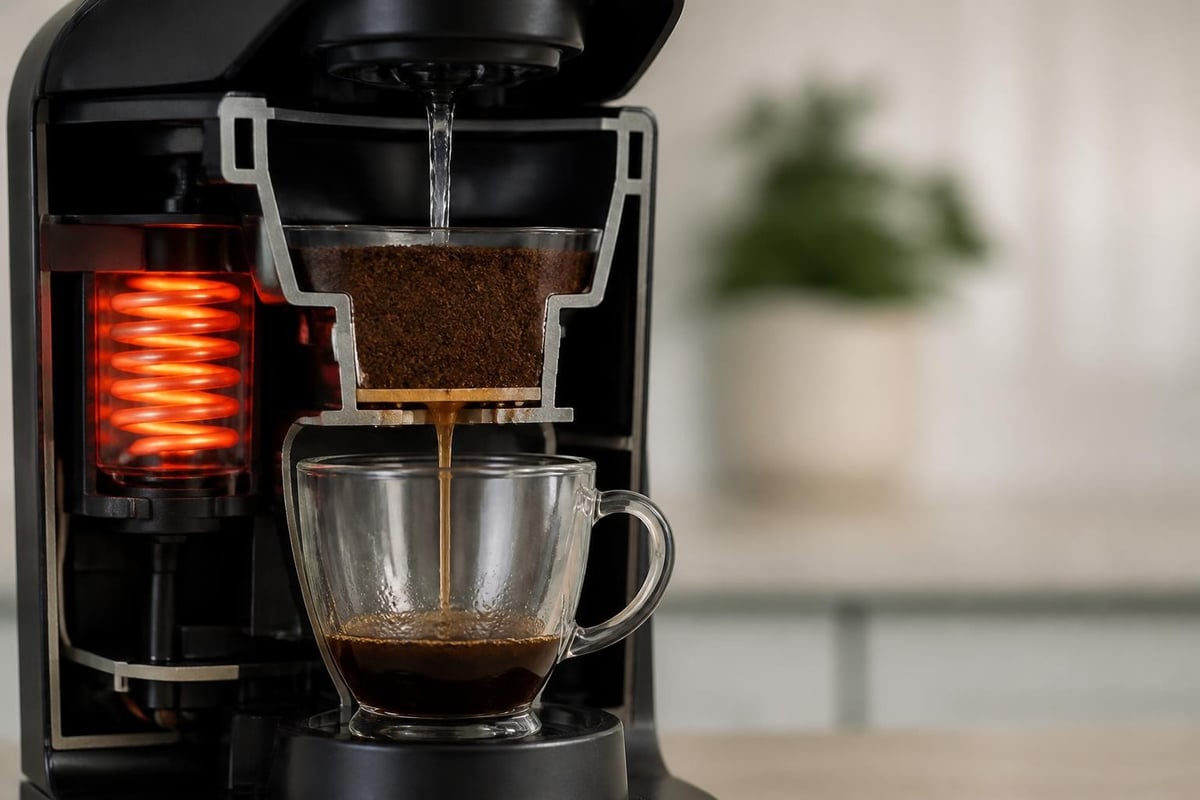
The mechanics behind your morning cup involve more than just hot water meeting coffee grounds. When you activate a single serve ground coffee maker, water flows through a heating element that brings it to optimal brewing temperature, typically between 195-205°F. Understanding the inner workings of single-serve machines reveals the precision engineering required to extract flavor consistently.
Key components include:
- Heating chamber with temperature controls
- Water reservoir (ranging from 40 to 80 ounces)
- Brewing basket or filter holder
- Pressure or gravity-fed water delivery system
The water then passes through your ground coffee, extracting oils, aromatics, and soluble compounds in a controlled extraction process. Some systems use pressure assistance, while others rely on gravity-fed pour-over mechanics, each creating distinct flavor profiles.
Types of Ground Coffee Brewing Systems
Not all single serve ground coffee makers follow the same design philosophy. The market offers distinct approaches to solo brewing.
Pour-over style systems mimic manual brewing with automated water distribution. These machines slowly saturate grounds in a circular pattern, allowing proper blooming and extraction. The result tastes closer to a carefully crafted manual pour-over.
Basket-style brewers work like miniature drip machines, using a small basket filter to hold grounds. Water drips steadily through, creating a familiar cup profile with minimal fuss.
Hybrid systems accommodate both ground coffee and pre-packaged pods, offering flexibility for households with varying preferences. Some mornings call for the ritual of grinding beans; others demand speed.
Choosing Your Perfect Single Serve System
Walking into the coffee aisle in 2026 means confronting dozens of options, each promising the perfect cup. The right choice depends less on marketing claims and more on how you actually live with coffee.
Essential Features to Consider
When evaluating a single serve ground coffee maker, Consumer Reports' buying guide emphasizes several critical factors that separate exceptional machines from merely functional ones.
| Feature | Why It Matters | What to Look For |
|---|---|---|
| Temperature consistency | Affects extraction quality | Machines maintaining 195-205°F |
| Brew size options | Matches cup preference | 4 oz to 14 oz range |
| Brew time | Impacts flavor development | 3-5 minutes optimal |
| Cleaning accessibility | Determines long-term use | Removable, dishwasher-safe parts |
| Water reservoir capacity | Reduces refill frequency | 40+ ounces for multi-cup days |
Material quality deserves attention beyond aesthetics. Stainless steel components resist mineral buildup and don't impart flavors. Plastic parts should be BPA-free, especially in water-contact areas.
Certifications matter. Look for ASTM F2988-18(2024) compliance, which sets performance and safety standards for commercial-grade brewers. While aimed at commercial equipment, machines meeting these specifications typically outlast basic consumer models.
Counter Space and Kitchen Integration
Your single serve ground coffee maker becomes part of your daily landscape, not just another appliance. Compact models measure as small as 5 inches wide, fitting into tight galley kitchens or office cubicles. Larger systems with built-in grinders span 12-15 inches but eliminate the need for separate equipment.
Consider the morning flow. Does your counter accommodate a permanent brewing station, or do you need something that tucks into a cabinet between uses? The best machine is one you'll actually use every single day.
Maximizing Flavor From Ground Coffee
Owning a capable single serve ground coffee maker represents only half the equation. The coffee itself, how you prepare it, and when you brew it determines whether you're tasting the beans' full potential or settling for mediocrity.
Grind Size and Freshness
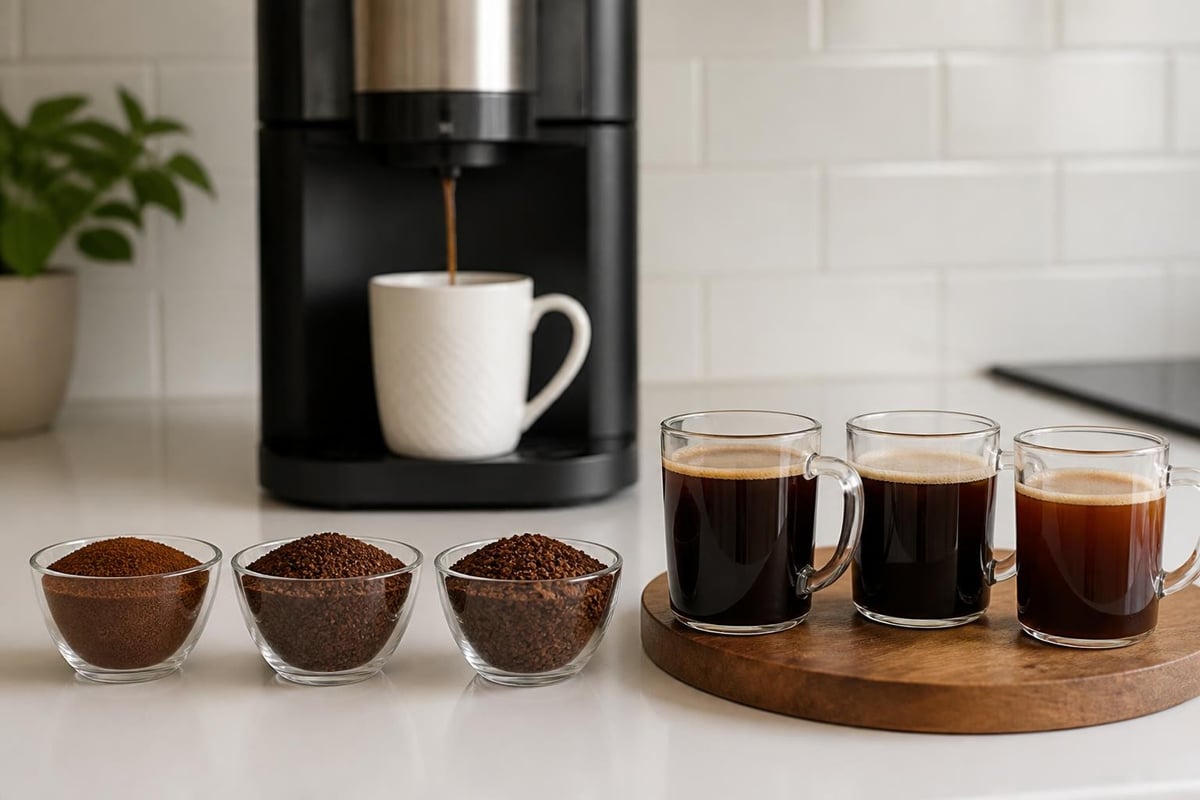
Medium grind works best for most single serve ground coffee makers, resembling coarse sand rather than powder. Too fine creates over-extraction and bitterness; too coarse leaves you with weak, under-developed flavors.
Freshness counts more than most people realize. Whole beans stay fresh for weeks when properly stored, but ground coffee begins losing aromatic compounds within 15 minutes of grinding. This presents the central challenge of convenient brewing.
For those seeking single-serve coffee without relying on pods, pre-portioned sachets offer a middle ground. Specialty beans ground fresh and nitrogen-flushed preserve aromatics while maintaining the simplicity of single-serve brewing.
Water Quality and Temperature
The water you pour into your single serve ground coffee maker carries minerals, chlorine, and pH characteristics that shape final cup flavor. Filtered water removes chlorine and reduces mineral content without stripping away everything. Spring water with balanced mineral content (150 TDS) often produces the cleanest-tasting results.
Temperature stability separates excellent machines from adequate ones. Water that's too hot extracts bitter compounds; water that's too cool fails to properly dissolve soluble coffee elements.
- Preheat your machine by running a blank cycle
- Use fresh, cold water in the reservoir
- Start brewing immediately after adding grounds
- Never reheat coffee that's cooled
Environmental Impact and Sustainability
The convenience of single serve coffee has historically clashed with environmental consciousness. In 2026, this tension remains real, though solutions continue evolving.
Waste Considerations in Single Serve Systems
A life cycle assessment comparing single-serve systems to bulk brewing reveals surprising nuances. While single-serve packaging creates visible waste, bulk brewing often leads to coffee waste when pots sit untouched or get dumped.
The trade-offs include:
- Packaging waste vs. coffee waste
- Energy consumption per cup
- Water usage efficiency
- Production and transportation impacts
Single serve ground coffee makers using reusable filters or biodegradable sachets significantly reduce waste compared to plastic pod systems. The key lies in brewing only what you'll actually drink.
Sustainable Brewing Practices
Making environmentally conscious choices with your single serve ground coffee maker extends beyond the machine itself.
Choose compostable or recyclable packaging when possible. Paper filters break down completely. Metal mesh filters last years with proper care. Some modern sachets use plant-based materials that decompose within months.
Buy specialty-grade beans from roasters committed to sustainable sourcing. Single-origin coffees from farms practicing regenerative agriculture support both quality and environmental health.
Consider the best single cup coffee machine options that prioritize durability over disposability. A well-built machine lasting ten years creates far less waste than replacing cheap models every eighteen months.
Building Your Morning Ritual
The real magic of a single serve ground coffee maker isn't in the technology. It lives in those quiet moments before the world demands your attention, when you measure grounds, pour water, and wait for transformation to occur.
Creating Intentional Brewing Moments
Slow down the process. Even automated brewing benefits from mindful attention. Watch the first drops fall, notice the bloom as grounds release carbon dioxide, breathe in the aromatics rising with steam.
Keep a brewing journal noting coffee varieties, grind adjustments, and flavor impressions. This transforms daily brewing from routine into exploration. Which beans sing in your particular machine? What grind setting brings out chocolate notes versus bright citrus?
Establish pre-brewing rituals:
- Rinse your cup with hot water
- Arrange your brewing station the night before
- Light a candle while coffee brews
- Set aside five distraction-free minutes
Matching Coffee to Mood and Moment
Your single serve ground coffee maker enables something larger coffee pots cannot: matching each cup to its specific moment. Morning might call for a bright, energizing Ethiopian natural. Afternoon slowdowns pair with chocolatey Brazilian beans. Evening contemplation suits a gentle, decaffeinated Guatemalan.
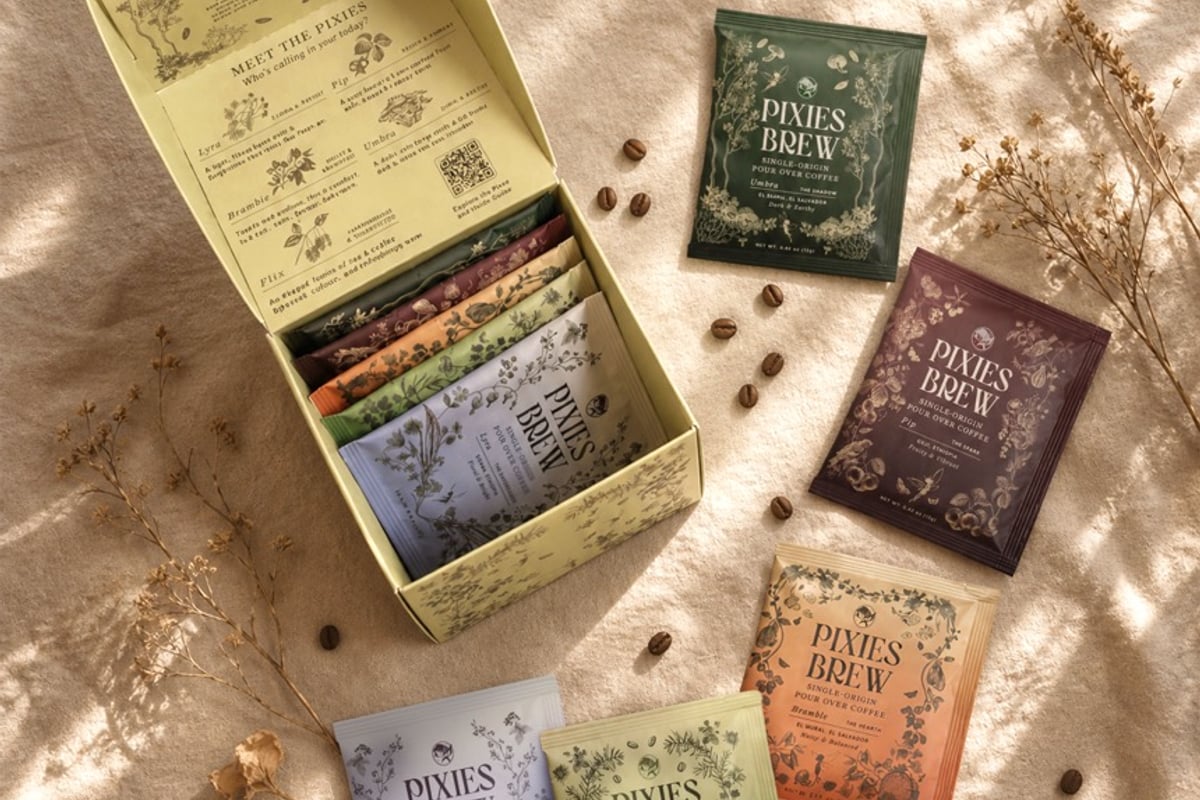
For those drawn to curated coffee experiences, the Pixies Brew Discovery Set brings together five specialty-grade blends in ready-to-brew sachets. Each flavor profile corresponds to different emotional landscapes and daily moments, from the energizing clarity of morning blends to the contemplative depth of darker roasts.
The beauty of single-serve systems lies in variety without commitment. You're never locked into finishing a pound of beans that don't resonate. Each cup becomes a choice, an expression of present needs rather than past purchases.
Maintenance and Longevity
A single serve ground coffee maker demands consistent care to deliver consistent cups. Neglect leads to mineral buildup, stale flavors, and eventual breakdown.
Daily and Weekly Cleaning
After each use:
- Rinse the brew basket or filter
- Wipe the drip tray
- Empty any remaining water from the reservoir
Weekly deep cleaning prevents oils and minerals from accumulating. Remove all detachable parts and wash with warm, soapy water. Run a brewing cycle with just water to flush internal passages.
Pay special attention to hidden moisture areas where mold can develop. The water reservoir lid, the area around the brewing basket, and any rubber gaskets need regular inspection and cleaning.
Descaling and Mineral Management
Hard water leaves mineral deposits inside heating elements and water lines. These deposits reduce heating efficiency and create off-flavors.
Descaling schedule:
| Water Hardness | Descaling Frequency |
|---|---|
| Soft (0-60 ppm) | Every 6 months |
| Moderate (61-120 ppm) | Every 3 months |
| Hard (121+ ppm) | Monthly |
Use commercial descaling solutions or a mixture of equal parts white vinegar and water. Run the descaling solution through a complete brew cycle, then flush with three cycles of fresh water.
Troubleshooting Common Issues
Even the best single serve ground coffee maker occasionally misbehaves. Understanding common problems helps you fix issues quickly rather than settling for subpar coffee.
Weak or Inconsistent Brew Strength
If your coffee tastes thin, check these factors first:
Grind size might be too coarse. Adjust to a slightly finer grind, but make small changes. Even a half-notch on your grinder dial makes a difference.
Water temperature could be dropping. Machines more than two years old sometimes develop heating element issues. Run a blank cycle to preheat, then brew immediately.
Coffee-to-water ratio needs calibration. Most single serve systems work best with 2 tablespoons (10-12 grams) of coffee per 6 ounces of water. Measure precisely until you develop intuition.
Machine Clogs and Slow Brewing
Slower-than-usual brewing suggests mineral buildup or coffee oil accumulation. Beyond regular descaling, consider these solutions:
- Use filtered water exclusively
- Clean the brewing needle or spray head monthly
- Replace paper filters before they become saturated with oils
- Check for coffee grounds in water intake areas
Never force a clog by increasing pressure or disassembling sealed components. Most modern machines include safety mechanisms that shut down when clogs create excessive pressure.
Frequently Asked Questions
Can I use pre-ground store coffee in a single serve ground coffee maker?
Yes, though freshness matters enormously. Pre-ground coffee from store shelves has been oxidizing for weeks or months. For best results, buy whole beans and grind immediately before brewing, or choose nitrogen-flushed single-serve packets that preserve freshness. The difference in flavor between month-old grounds and fresh coffee is dramatic.
How much coffee should I use per cup?
The standard ratio is 1-2 tablespoons (roughly 10-12 grams) per 6 ounces of water. Stronger preferences might go up to 15 grams, while lighter tastes work with 8 grams. Your specific single serve ground coffee maker may perform best at the higher or lower end of this range. Experiment systematically, changing only one variable at a time.
Are single serve machines worth the investment for one person?
Absolutely. The environmental and financial waste of brewing full pots you won't finish outweighs the minor premium of single-serve equipment. A quality single serve ground coffee maker pays for itself within months by eliminating wasted coffee and reducing your temptation to buy expensive coffee shop drinks. For solo drinkers, these systems make perfect sense.
How long do single serve coffee makers typically last?
With proper maintenance, expect 3-5 years from mid-range machines and 7-10 years from premium models with metal components. Regular descaling, daily cleaning, and filtered water dramatically extend lifespan. Cheaper machines using all-plastic construction often fail within 18-24 months, making them false economies despite lower initial costs.
Can I make tea or hot chocolate in a single serve ground coffee maker?
Most machines work perfectly for tea bags or hot chocolate powder placed in the brewing basket. The brewing temperature suits most tea types, though dedicated tea drinkers might prefer slightly lower temperatures for delicate white or green teas. Always clean thoroughly between coffee and other beverages to prevent flavor transfer.
Alternative Brewing Methods for Single Servings
While dedicated single serve ground coffee makers offer convenience, other methods deliver exceptional single cups with minimal equipment.
Manual Pour-Over Drippers
A ceramic or plastic dripper sitting atop your mug creates the ultimate single serve experience with total control. You manually pour water in slow circles, adjusting speed and pattern to influence extraction. Learn more about dripper techniques that transform simple equipment into precision instruments.
The ritual feels more connected than automated brewing. You're not just pressing a button; you're conducting a small transformation, guiding water through grounds with intentional movements.
French Press for One
Small French presses brew 12-16 ounces, perfect for a generous single serving. The immersion method creates fuller body and more pronounced flavors than drip systems. Coarse grounds steep for four minutes, then you press the plunger and pour.
Advantages:
- No electricity required
- Portable for travel or camping
- Produces rich, textured coffee
- Easy to clean
Considerations:
- Requires careful timing
- Some sediment in final cup
- Slightly more manual effort
Ready-to-Brew Coffee Sachets
For those seeking coffee for camping or travel, specialty sachets combine fresh-ground coffee with pour-over simplicity. These packets hook onto your cup's rim, requiring only hot water. The grounds stay fresh through nitrogen flushing, preserving the aromatics that fade rapidly in open air.
This approach eliminates equipment entirely while maintaining specialty-grade quality. No machine to clean, no filters to buy, no counter space required.
Finding your ideal single serve ground coffee maker means understanding how you actually live with coffee, then choosing equipment that supports rather than complicates that relationship. The best system disappears into your morning flow, reliably delivering the cup you need without demanding attention or maintenance you won't give. Whether you choose automated convenience or manual ritual, single-serve brewing transforms coffee from a commodity into an intentional pause. Pixies Brew believes every cup deserves that same attention, which is why our specialty-grade sachets bring fresh-ground, nitrogen-flushed coffee into a simple rip-hook-pour ritual that fits any moment, anywhere. Your perfect cup is waiting.
