


Best Tasting Ground Coffee: A Sensory Guide
The search for the best tasting ground coffee starts not with a brand, but with understanding what "best" means to your palate. In 2026, the answer lies in freshness, origin transparency, and matching roast level to your brewing ritual. The best tasting ground coffee delivers a clean cup that honors both the bean's origin and the craft of roasting, whether you're drawn to bright, fruit-forward notes or deep, chocolatey warmth.
What Actually Makes Ground Coffee Taste Good
Flavor begins long before water touches grounds.
The best tasting ground coffee carries the story of its origin in every sip. Soil composition, altitude, processing method, and varietal all shape what ends up in your cup. A naturally processed Ethiopian bean tastes wildly different from a washed Colombian, even at identical roast levels.
Freshness stands as the non-negotiable factor. Coffee begins losing volatile aromatic compounds the moment it's ground. Within two weeks, even specialty beans stored improperly can taste flat, papery, or stale. Research on storage conditions demonstrates how temperature and packaging dramatically alter volatile compound profiles, affecting perceived sweetness, bitterness, and those delicate fruity or floral notes that separate exceptional coffee from ordinary.
The Five Senses of Great Coffee
Let's break down what to look for:
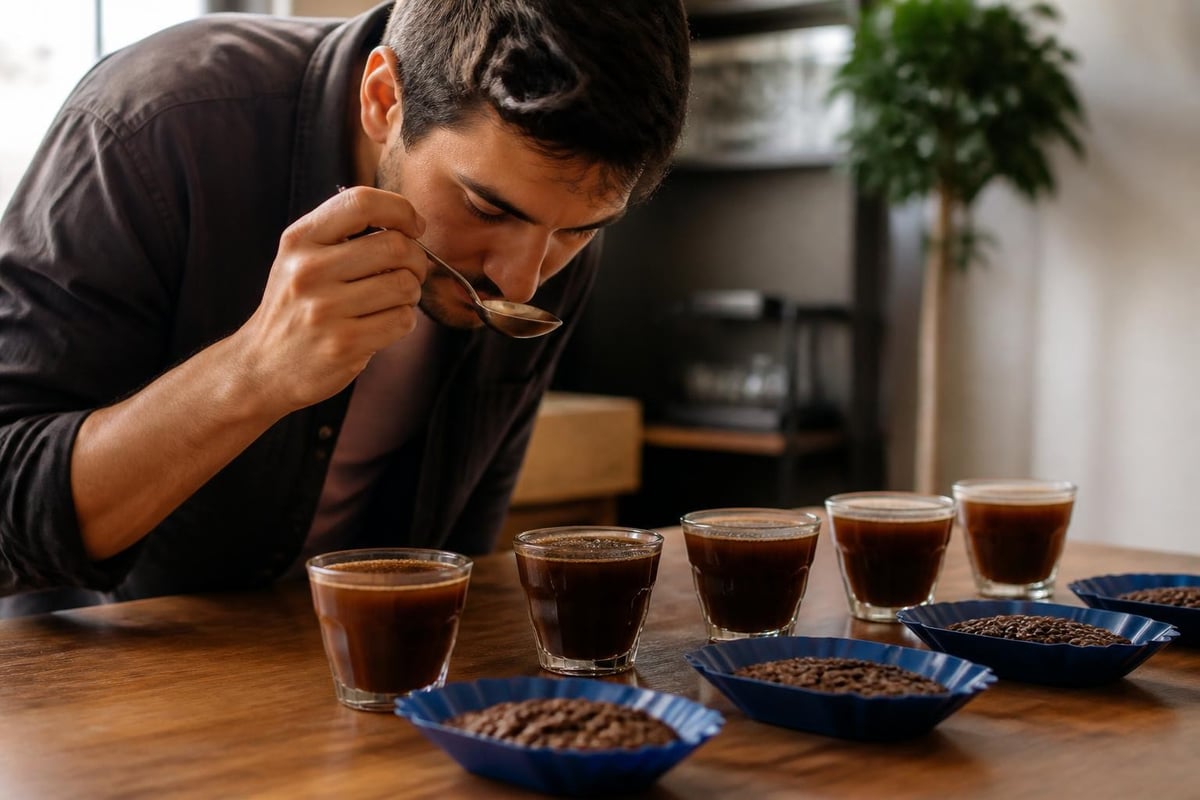
- Aroma: Fresh grounds release complex fragrances-jasmine, berries, caramel, toasted nuts. Stale coffee smells one-dimensional or dusty.
- Taste: Balanced acidity, natural sweetness, and distinct flavor notes without bitterness or sourness dominating.
- Body: The weight and texture on your tongue, from tea-like and delicate to syrupy and full.
- Finish: How flavors linger and evolve after swallowing. Great coffee leaves a clean, pleasant aftertaste.
- Visual: Grounds should look uniform in color, without oil slicks (over-roasting) or pale, chalky patches (under-roasting).
Roast Level and Flavor Expression
Here's where personal preference meets coffee chemistry.
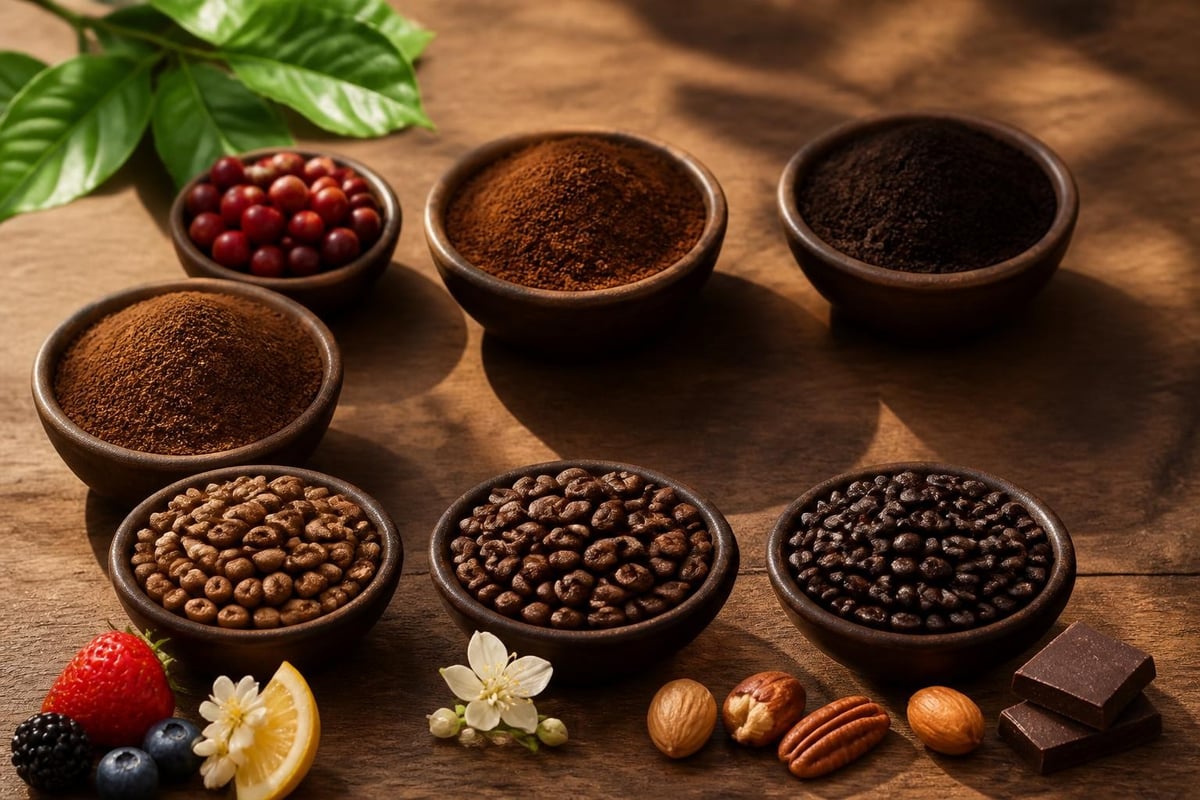
Roast levels fundamentally alter what you taste. Light roasts preserve origin character-those wild blueberry notes from Kenya or honeyed citrus from Ethiopia. Medium roasts balance origin and roast-developed sweetness, bringing caramel and chocolate alongside fruit. Dark roasts prioritize body and roast character, with bittersweet chocolate, toasted nuts, and smoky depth.
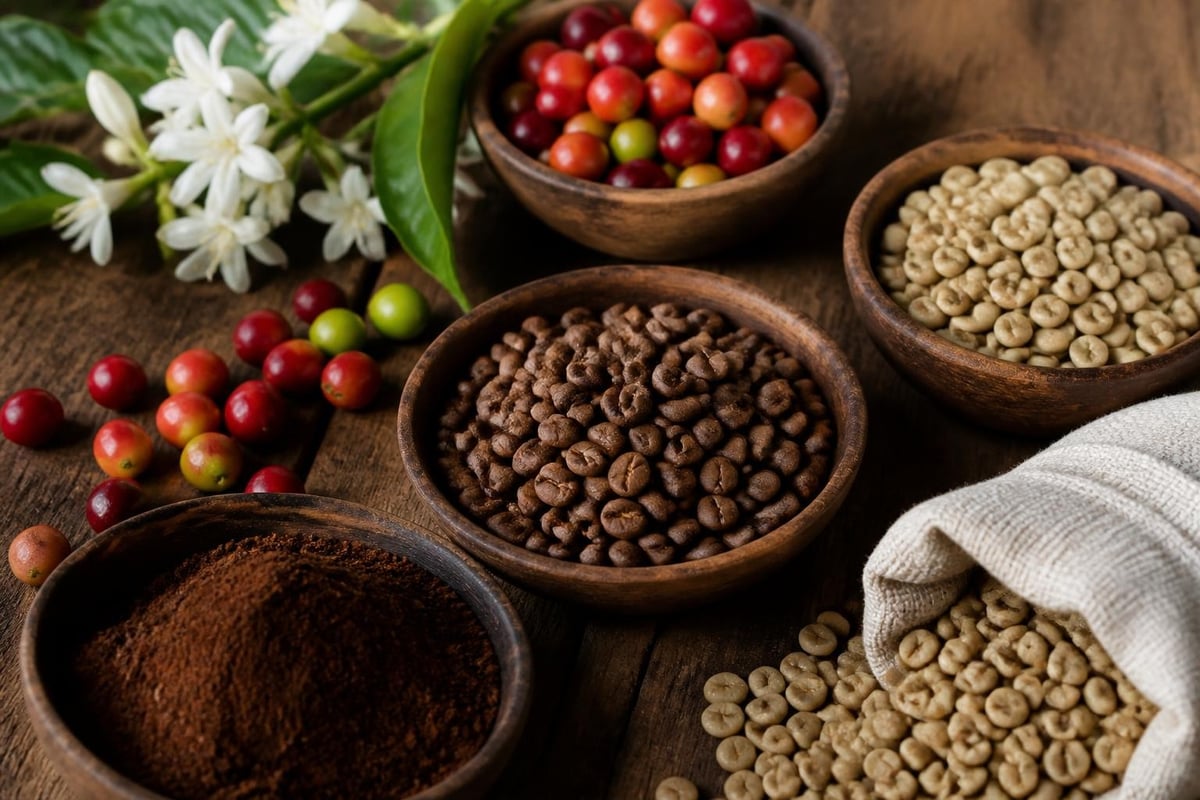
The chemical transformation during roasting is precise. First crack signals the transition from sour, grassy beans to drinkable coffee. Stopping here yields light roasts with high acidity and pronounced origin notes. Continuing past first crack into the development phase builds sweetness and body without destroying origin character-the sweet spot for many specialty roasters. Second crack begins the dark roast territory, where origin fades and roast flavors dominate.
| Roast Level | Flavor Profile | Best For |
|---|---|---|
| Light | Bright acidity, tea-like body, fruit and floral notes | Pour-over, exploring single origins |
| Medium | Balanced sweetness, moderate body, chocolate and nut notes | All brewing methods, daily drinking |
| Medium-Dark | Low acidity, full body, caramel and dark chocolate | Drip coffee, French press |
| Dark | Minimal acidity, heavy body, roast-forward bitter-sweet | Espresso, cold brew concentrate |
Understanding how roast affects origin character helps you shop intelligently. If you want to taste what makes Colombian coffee Colombian, choose light to medium roasts. If you prioritize consistency and bold comfort, medium-dark to dark roasts deliver.
Single-Origin vs. Blends: Which Tastes Better?
Neither wins by default. Both serve different purposes.
Single-origin coffee showcases one farm, region, or processing method. These coffees tell specific stories-the mineral-rich volcanic soil of Guatemala, the experimental anaerobic fermentation in Costa Rica. Single origins shine when roasted to highlight their unique characteristics. They're the best tasting ground coffee when you crave exploration and distinct flavor experiences.
Blends combine beans to achieve consistency, balance, or complexity no single origin can deliver alone. A skilled roaster might blend bright Ethiopian with chocolatey Brazilian and nutty Guatemalan to create year-round reliability. Consumer Reports' blind taste tests of 27 medium-roast blends in 2025 revealed that what consumers identify as "best tasting" often comes down to balance, aroma consistency, and absence of defects rather than exotic origin stories.
For those exploring specialty coffee, starting with well-crafted blends builds your palate before diving into single-origin nuances.
Customization Through Roast Style
Recent analysis of volatile compound profiles in single-origin Arabica coffees shows how roast customization can highlight or suppress specific aroma classes. Roast lighter to emphasize fruity and floral compounds. Roast darker to develop nutty, chocolatey, and caramelized notes. The best tasting ground coffee emerges when roasters match bean characteristics to roast profiles intentionally, not randomly.
Freshness: The Silent Flavor Killer
Even exceptional beans taste mediocre when stale.
Ground coffee has a shelf life measured in days, not months. Once you break open those cell walls, oxidation accelerates. The delicate aromatics that make coffee magical-those 800+ volatile compounds-dissipate into your pantry instead of your cup.
Look for roast dates, not "best by" dates. The best tasting ground coffee was roasted within the past 2-4 weeks. Anything older than a month has already lost significant flavor complexity, regardless of packaging.
Protection Methods
Smart packaging preserves what roasting creates:
- Nitrogen flushing replaces oxygen in sealed bags, dramatically slowing oxidation
- One-way valves let CO₂ escape without admitting oxygen
- Opaque, airtight containers block light and moisture
- Single-serve portions minimize exposure by reducing opened surface area
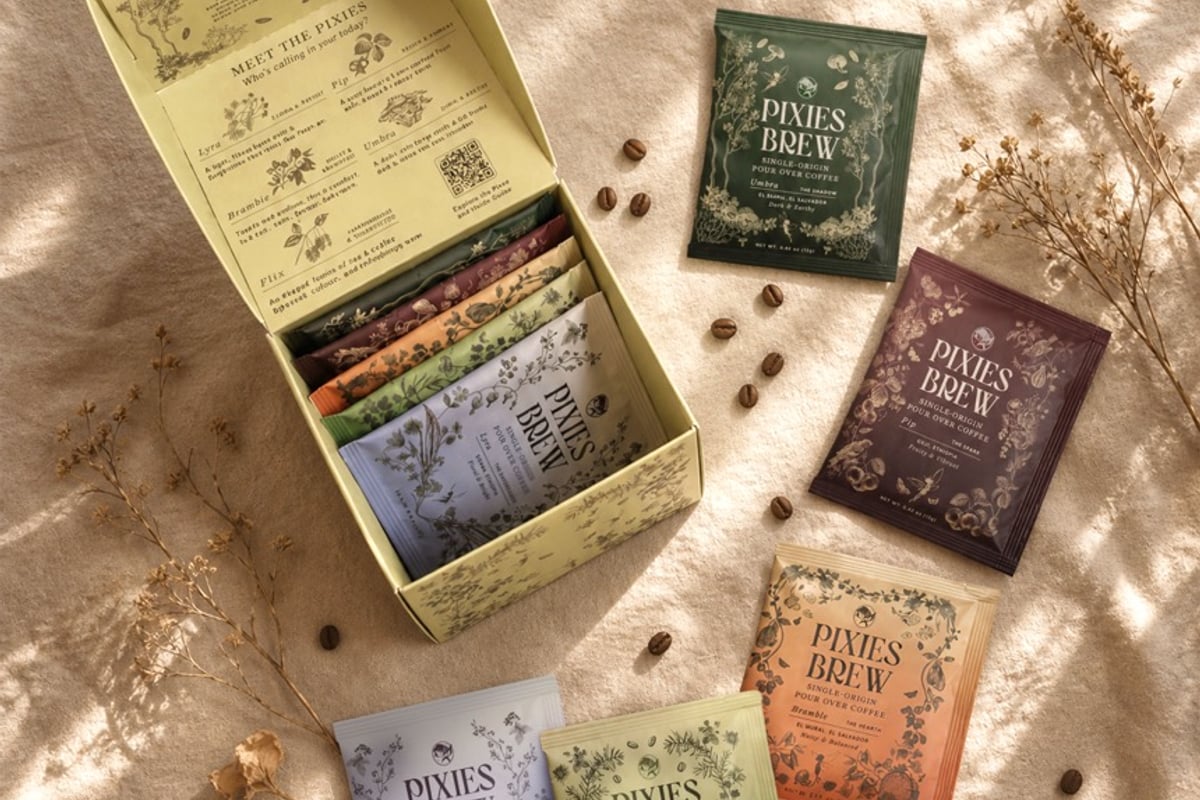
The Pixies Brew Discovery Set exemplifies this protection approach-specialty-grade coffee ground fresh and nitrogen-flushed into individual sachets. Each pour-over packet preserves peak flavor until you're ready to brew, whether that's a slow morning at home or a travel day when you need a moment back to yourself.
Water: Coffee's Silent Partner
Your coffee is over 98% water.
Even the best tasting ground coffee can't overcome poor water quality. Water chemistry significantly affects flavor expression. Chlorine adds chemical off-notes. Excessive minerals create harshness. Too-soft water produces flat, lifeless cups lacking body and clarity.
The sweet spot: filtered water with moderate mineral content (calcium and magnesium aid extraction) but without chlorine, iron, or heavy carbonates. If your tap water tastes off by itself, it'll taste worse in coffee.
The Grind Size Factor
Grind size determines extraction.
Pre-ground coffee sacrifices customization for convenience. Most commercial ground coffee targets drip machines-a medium grind. This works reasonably well for automatic drip but falls short for French press (too fine, over-extracts) or pour-over (often slightly too coarse, under-extracts).
The best tasting ground coffee for your method matches particle size to brew time and water contact:
- Extra-fine: Espresso, Turkish coffee
- Fine: Pour-over cones, Moka pot
- Medium: Drip machines, pour-over drippers
- Coarse: French press, cold brew
Flavor Notes: Marketing or Meaningful?
When bags promise "blueberry, dark chocolate, and honey," are roasters just being poetic?
Actually, those tasting notes emerge from real chemical compounds. The same esters that create blueberry flavor in actual blueberries exist in naturally processed Ethiopian coffee. Chocolate notes come from melanoidins formed during roasting. Honey sweetness reflects natural sugars and specific amino acid profiles.
The catch: tasting these nuances requires proper brewing and an attentive palate. If your coffee tastes generically "like coffee," you're not wrong. Developing flavor perception takes practice, starting with noticing differences between a bright, acidic cup and a heavy, low-acid one.
Building Your Coffee Ritual
The best tasting ground coffee becomes part of how you start your day.
Ritual transforms caffeine delivery into a pause for yourself. It's the sound of tearing open a fresh packet, the bloom of grounds meeting hot water, the first sip while steam still rises. This intentionality changes the experience from rushed necessity to chosen moment.
Creating a meaningful brew ritual doesn't require expensive gear. It requires presence. Whether you're using a simple pour-over dripper or a full espresso setup, the magic lives in slowing down enough to notice.
Pour-Over Simplicity
Pour-over brewing highlights everything that makes ground coffee taste good:
- Temperature control: 195-205°F extracts cleanly without bitterness
- Even saturation: Slow, circular pouring ensures all grounds extract evenly
- Clarity: Paper filters remove oils and fines for a clean cup
- Engagement: You're present for the entire 3-4 minute process
For travelers or minimalists, single-serve pour-over sachets deliver this experience without the gear. Just a cup and hot water needed.
Reading the Bag: What Matters
Not all coffee bags tell you what you need to know.
Essential information to look for:
| Detail | Why It Matters |
|---|---|
| Roast date | Confirms freshness (within 2-4 weeks ideal) |
| Origin | Single-origin or blend composition |
| Roast level | Helps predict flavor profile |
| Altitude | Higher elevation typically means denser, more complex beans |
| Processing | Washed, natural, honey-each creates different flavors |
| Certifications | Organic, Fair Trade, Rainforest Alliance indicate sourcing standards |
Marketing language like "artisan" or "premium" means nothing without these specifics. The best tasting ground coffee comes from roasters transparent about sourcing and process.
Specialty Coffee vs. Commercial Coffee
The specialty coffee movement redefined what good coffee tastes like.
Specialty-grade coffee (scoring 80+ on the 100-point Q-grader scale) has no defects and distinct positive attributes. Commercial-grade coffee (below 80 points) often includes defective beans, inconsistent roasting, and vague sourcing. The taste difference is dramatic-specialty coffee offers complexity and clarity, while commercial coffee provides generic bitterness and flat sameness.
This doesn't mean expensive coffee always tastes better. It means the best tasting ground coffee comes from roasters who prioritize quality sourcing, careful roasting, and fresh grinding over profit margins and shelf stability.
Exploring Premium Coffee Experiences
The specialty coffee landscape in 2026 includes innovative approaches beyond traditional bagged grounds.
Limited-edition releases showcase experimental processing, rare varietals, or collaboration roasts. These coffees offer exploration for enthusiasts chasing unique flavor experiences. They're not daily drinkers-they're special occasions, moments to pause and truly taste.
Frequently Asked Questions
What makes ground coffee taste better than whole bean?
It doesn't. Whole bean coffee stays fresher longer because intact beans protect aromatic compounds. Ground coffee offers convenience at the cost of accelerated flavor loss. The best tasting ground coffee is recently ground whole beans.
How long does ground coffee stay fresh?
Peak flavor lasts 1-2 weeks after grinding when stored properly (airtight, cool, dark). After one month, expect noticeable staleness. After three months, even well-stored grounds taste flat.
Does expensive coffee taste better?
Not automatically. Price reflects sourcing costs, processing complexity, and small-batch roasting more than flavor. A $15 bag from a skilled local roaster often surpasses a $25 bag of stale "premium" grocery store coffee. Freshness and proper roasting matter more than price.
Can you taste the difference between Arabica and Robusta?
Absolutely. Arabica offers complexity, sweetness, and varied acidity. Robusta delivers bitterness, earthy notes, and twice the caffeine. Most specialty coffee is 100% Arabica. Robusta appears in espresso blends for crema and in commercial coffee for body and caffeine.
What's the best roast level for flavor?
No universal answer exists. Light roasts maximize origin character and acidity. Medium roasts balance origin and sweetness. Dark roasts emphasize body and roast-developed flavors. The best tasting ground coffee matches your flavor preference and brewing method.
Matching Coffee to Your Palate
Start by identifying what you already enjoy.
If you like bright, fruity flavors: Try light-roasted African coffees, especially Ethiopian or Kenyan. Look for descriptors like "berry," "citrus," or "floral."
If you prefer smooth, chocolatey comfort: Choose medium to medium-dark Central or South American coffees, particularly Colombian, Brazilian, or Guatemalan.
If you want bold, low-acid intensity: Dark-roasted blends or Indonesian single origins (Sumatra, Java) deliver earthy, full-bodied cups.
The journey to finding your best tasting ground coffee involves trial, attention, and honesty about what actually pleases you versus what you think should please you.
Storage: Protecting What You've Found
Once you've discovered great coffee, preserve it properly.
Never store coffee in the refrigerator or freezer. Temperature fluctuations create condensation, introducing moisture that destroys flavor. Room temperature (60-70°F) in an opaque, airtight container away from heat sources works best.
Buy in quantities you'll consume within two weeks. Resist bulk purchasing unless you can freeze portions immediately in truly airtight containers (and only thaw once).
Keep coffee away from strong odors. Coffee absorbs surrounding smells. That bag stored next to garlic and onions won't taste magical.
The Grove Perspective
In the world of slow mornings and intentional ritual, the best tasting ground coffee serves more than caffeine delivery.
It's the anchor for a moment you choose for yourself. The aroma that signals transition from sleep to wakefulness. The warmth cradled in your hands. The first sip that reminds you to breathe before the day accelerates.
This perspective shifts coffee from commodity to companion in your daily rhythm. Whether you brew at home with a favorite mug or need portable quality during travel, matching coffee to your lifestyle matters as much as matching it to your palate.
Beyond the Cup
Great coffee creates connection.
Sharing a pot with friends, bringing quality coffee to a camping trip, gifting a discovery set to someone learning to appreciate specialty coffee-these moments extend the value of choosing excellent grounds beyond personal enjoyment.
The ritual of brewing, serving, and savoring together builds relationships. Coffee becomes the excuse to slow down, to sit across from someone without distractions, to notice how they take theirs and remember for next time.
Your Next Steps
Finding the best tasting ground coffee for you requires experimentation.
Start with fresh, specialty-grade coffee from transparent roasters. Try different origins and roast levels, paying attention to what delights you rather than what experts say should. Notice how brewing method affects the same grounds. Explore whether you prefer the consistency of blends or the adventure of single origins.
Trust your palate. If you love a coffee others dismiss, it's still your best tasting ground coffee. The goal isn't impressing coffee snobs-it's finding what makes your morning ritual worth slowing down for.
The search for exceptional coffee ultimately leads inward, to understanding what flavors bring you joy and what rituals ground your day. When you discover coffee that truly resonates-whether it's bright and tea-like or dark and comforting-you've found more than a beverage; you've found a daily anchor. Pixies Brew crafts specialty pour-over sachets designed for exactly these moments, delivering nitrogen-flushed freshness in delicate packets that travel with you wherever your day leads. Each blend invites you to pause, breathe, and reclaim a moment for yourself, transforming an ordinary cup into a small ritual of presence.
