

Ultimate Guide to Flavor in Coffee: Explore Taste in 2026
Step into the Grove, where every morning begins with the gentle ritual of brewing and the promise of discovery in each cup. Here, flavor in coffee is more than a buzzword—it’s an invitation to engage all your senses, turning an everyday habit into a moment of presence.
In this guide, we’ll unravel what shapes the flavor in coffee, from origin to brewing method. You’ll learn how to taste like a pro, explore emerging trends, and find the perfect cup that fits your mood and lifestyle.
Slow down, savor each sip, and let the journey to mindful coffee begin.
The Science and Story Behind Coffee Flavor
Step into the Grove and breathe deep. Here, flavor in coffee is more than just a taste—it is a layered journey, shaped by nature, craft, and ritual. Whether you are a seasoned taster or just beginning to explore, understanding what gives coffee its unique flavor is the first step to elevating every sip.
What Gives Coffee Its Flavor?
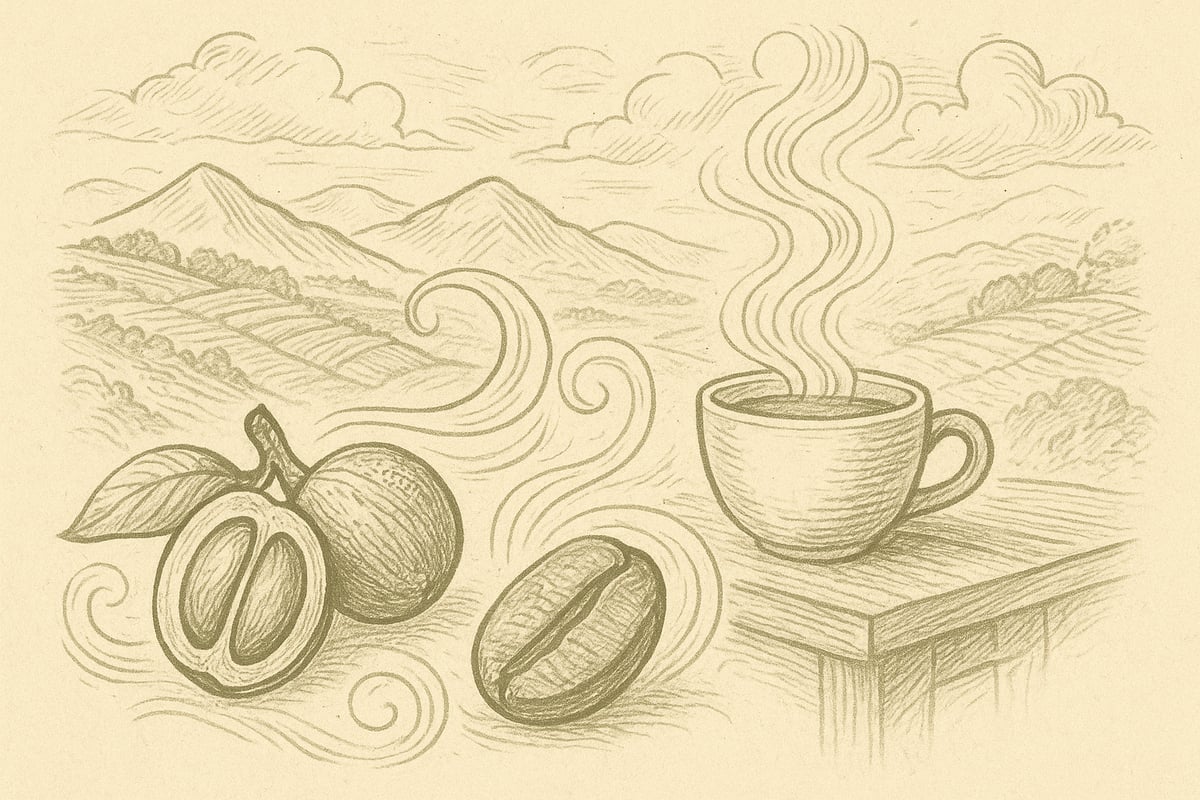
Flavor in coffee is an orchestra of over 800 aromatic compounds, making each cup a complex experience. From the moment a coffee cherry ripens on a misty hillside to its final pour, a symphony of factors come into play: origin, altitude, soil, varietal, processing, roast level, and even your chosen brewing method.
Consider the difference between an Ethiopian Yirgacheffe—bursting with delicate floral notes—and a Brazilian coffee rich with chocolate and nut undertones. Each reflects its unique environment and processing story. The Coffee Taster's Flavor Wheel is a trusted guide for mapping these intricate flavors.
Understanding these elements transforms drinking from routine into mindful ritual. Every time you savor a cup, you connect with the land, the grower’s craft, and the evolving tradition of coffee. In the Grove, every brew holds a story waiting to be discovered.
How Flavor Notes Are Identified
The flavor in coffee is not created by adding ingredients, but by unlocking what is already within the bean. Tasting notes—like citrus, chocolate, or berry—are sensory impressions drawn from natural compounds. Expert tasters, called Q Graders, use a method called cupping and reference the SCA flavor wheel to standardize the language of taste.
Roasting is the alchemy that cracks open these flavors, transforming green beans into expressive profiles. For example, a Kenyan coffee might reveal bright citrus, while a Guatemalan offers rich chocolate. Your personal palate, brewing technique, and even your mood can shift how you perceive flavor in coffee.
With practice, your senses sharpen. Training yourself to notice subtle notes builds confidence and deepens appreciation. The more you explore, the more the world of flavor in coffee opens up.
The Ritual of Savoring: Making Coffee an Experience
Savoring flavor in coffee is a ritual in itself. Picture a slow morning in the Grove: you inhale the aroma, watch the steam swirl, listen to water pour, feel the warmth in your hands, and finally taste the layered notes. Each sense invites you into the present.
Imagine the journey—a pour-over as a daily meditation, each drip echoing the rhythm of rain on coffee blossoms. The interplay of sunlight, soil, and rain is alive in every sip. Coffee becomes a gentle pause, a moment to be present rather than rushed.
Studies show that mindful tasting increases satisfaction and the ability to recall flavors. By transforming your routine into a ritual, you unlock the magic within each packet or bean. In the Grove, coffee is more than a drink—it is an invitation to slow down, savor, and connect.
Exploring the Spectrum: Key Coffee Flavor Profiles in 2026
The world of flavor in coffee has never been so diverse or exciting. In 2026, each cup is a sensory adventure, offering tastes that range from bright and floral to deep and spicy, and even into experimental territory. Let's step into the Grove and explore how these profiles awaken the senses and transform your daily ritual.
Fruity and Floral: The Bright Side of Coffee
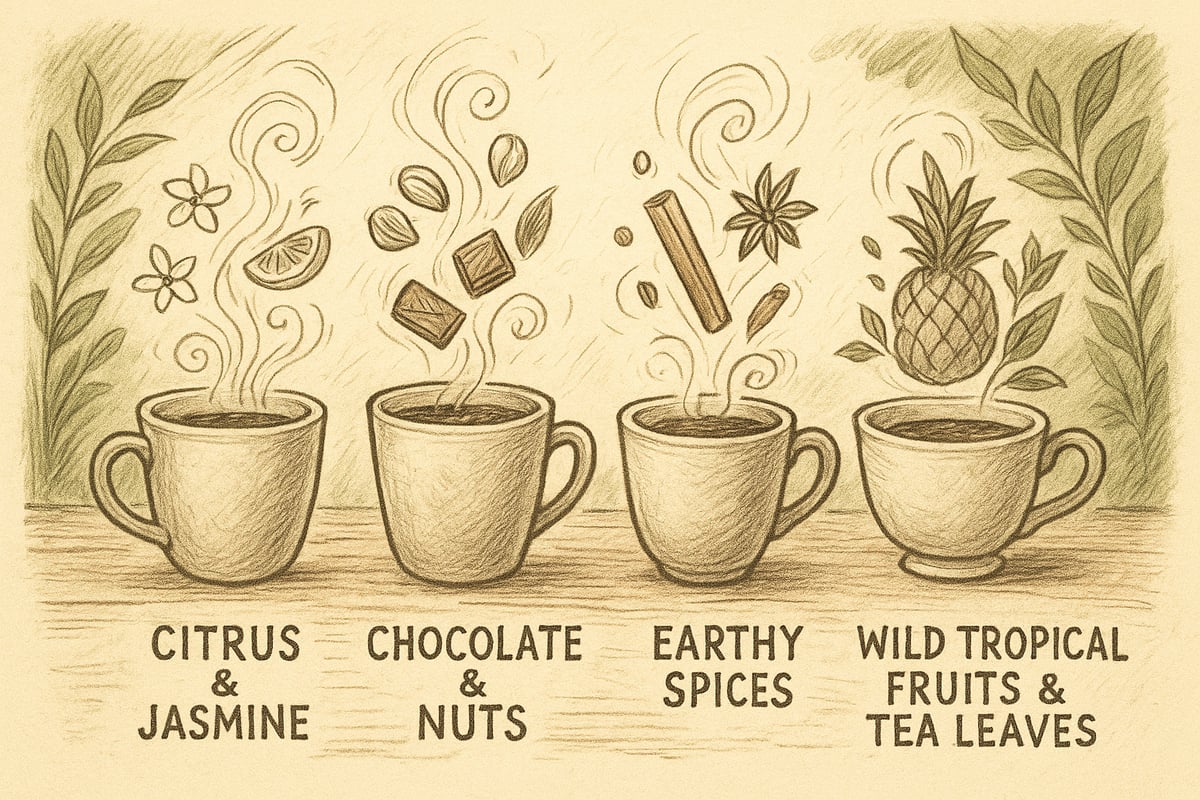
Fruity and floral notes are the dazzling stars of high-altitude African coffees, like Sidama and Yirgacheffe. When you brew a cup from these origins, the flavor in coffee bursts with citrus zest—think lemon and grapefruit—alongside berry sweetness and delicate floral hints, like jasmine or rose petals.
These lively notes come alive through washed or natural processing. High elevation slows the cherries' ripening, concentrating sugars and acids for a sparkling, complex cup. Imagine savoring Pixies Brew's Lyra sachet: the aroma is pure spring, the first sip bright and expressive, the finish clean and lingering.
Fruity coffees are perfect for those who crave refreshment and layered complexity. Each sip is a celebration of nature's artistry, inviting you to pause and taste the sunrise in your mug.
Nutty, Chocolatey, and Sweet: Comfort in a Cup
For many, the ultimate comfort lies in the warm embrace of nutty, chocolatey, and sweet flavors. These are hallmarks of Latin American coffees from Brazil, Guatemala, or El Salvador, where the flavor in coffee leans toward hazelnut, almond, cocoa, and caramel.
Medium and dark roasts coax out extra sweetness and deep, toasty notes. Picture Bramble by Pixies Brew: a sachet that fills your space with the scent of roasted nuts and melted chocolate, the texture smooth and inviting, the finish soft like brown sugar.
These profiles are crowd-pleasers, pairing beautifully with milk or enjoyed black. They evoke memories of cozy mornings and homemade treats, making each cup a gentle reminder of home and warmth.
Earthy, Spicy, and Herbal: The Depths of Coffee
Dive deeper into the spectrum of flavor in coffee with earthy, spicy, and herbal profiles. These are often found in Asian coffees, like those from Sumatra or Java, and in beans processed by wet-hulled or honey methods.
Here, you might detect notes of damp earth after rain, clove or cinnamon spice, and herbal layers like sage or basil. Pixies Brew's Umbra sachet is a perfect example—robust, grounding, and rich, with a savory undertone that lingers.
Earthy coffees offer a contemplative experience, appealing to those who seek depth and complexity. While some flavors can be polarizing, they are cherished by aficionados who crave something profound and meditative in their daily cup.
Unconventional and Emerging Flavors: The 2026 Coffee Scene
The future of flavor in coffee is bold and boundary-pushing. In 2026, new trends include coffee-tea hybrids, experimental fermentations, and rare varietals that bring unexpected notes—floral oolong, tropical fruit, wine-like acidity, and botanicals.
Pixies Brew’s Flux sachet, for example, blends coffee with oolong tea for a layered, aromatic brew. Limited-edition and micro-lot releases keep curiosity alive, making every sip feel like a discovery. If you want to explore the full range of coffee flavor profiles, there’s never been a better time.
Emerging flavors invite you to break routine, expand your palate, and find joy in the unexpected. Coffee is evolving, and your daily ritual can be as adventurous as you wish.
From Bean to Brew: How Origin, Process, and Roast Shape Taste
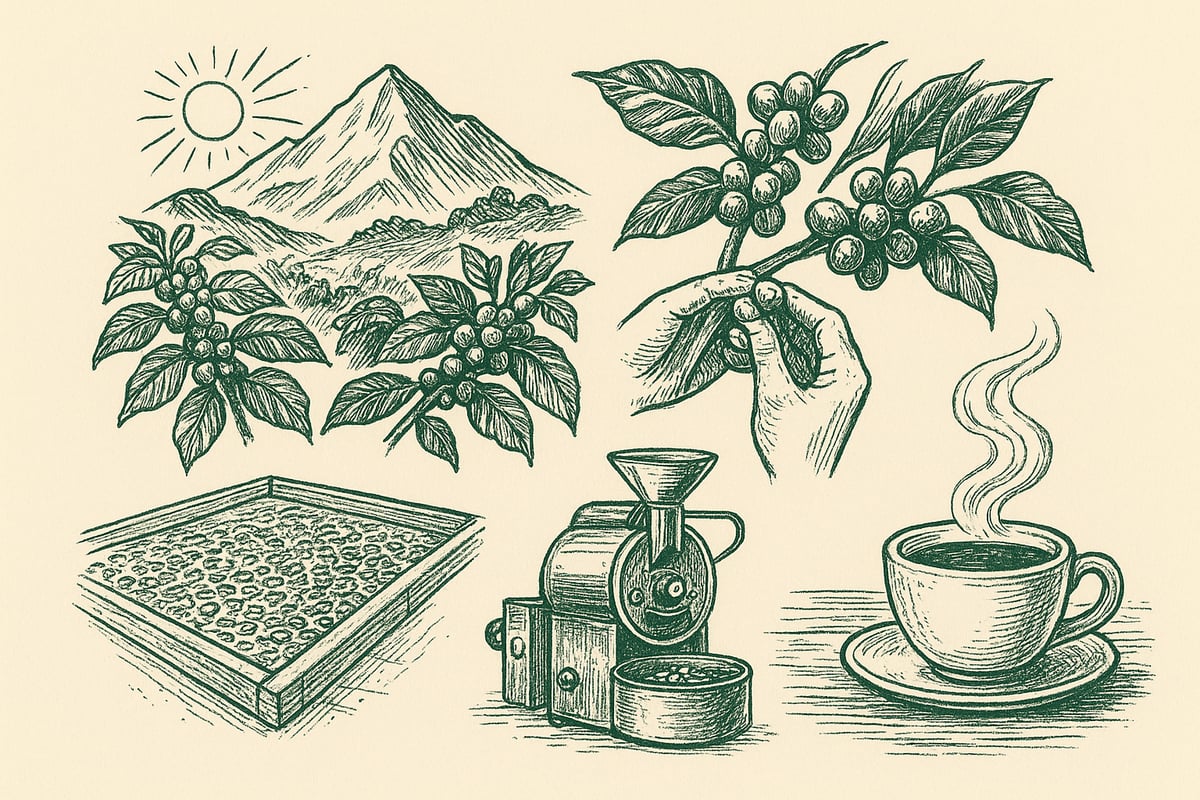
Every cup of coffee tells a story. The journey from bean to brew is a layered process, with each stage shaping the flavor in coffee you savor. From the soil where cherries grow to the final roast, every detail influences what ends up in your cup.
The Role of Origin and Terroir
Origin is the soul of flavor in coffee. Picture the highlands of Ethiopia, where cool nights and rich soil nurture beans bursting with floral and citrus notes. Travel to Colombia, and you’ll find balanced sweetness and gentle acidity, while Sumatra offers earthy, spicy undertones thanks to its humid forests.
Altitude is a key factor. High-altitude beans ripen slowly, building complex sugars and acids. Climate, rainfall, and soil minerals all leave their mark, making each region’s harvest unique. Single-origin coffees let you taste this sense of place, while blends combine multiple origins for harmony and consistency.
Knowing where your coffee comes from helps predict what you’ll taste. It turns each sip into an exploration of geography, climate, and tradition. With every bag or sachet, you connect to the land and the people who cultivate it, deepening your appreciation for the ritual.
Processing Methods: Washed, Natural, Honey, and Beyond
The way coffee cherries are processed after harvest has a dramatic impact on flavor in coffee. Washed coffees, like Pixies Brew’s Lyra or Pip sachets, are clean and bright, with crisp acidity and clear fruit notes. Natural processing, where beans dry inside the fruit, brings out jammy, sometimes wild flavors—think ripe berries or tropical fruit.
Honey process is a sweet middle ground, combining clarity with gentle sweetness. Some specialty brewers use experimental methods like anaerobic fermentation or carbonic maceration, unlocking unexpected flavors and aromas. Each method is a blend of science and art, as producers experiment to highlight unique characteristics.
Curious about how each process works? Check out this deep dive on Coffee Processing Methods Explained for more insight. Whether you prefer sparkling acidity or rich, syrupy depth, process is the hidden hand guiding your cup’s personality.
Roasting: Light, Medium, and Dark
Roasting is where green beans transform into the aromatic treasures we know. Light roasts preserve the origin’s character, letting floral, citrus, and berry notes shine. Medium roasts balance sweetness, body, and complexity, perfect for those who crave harmony in their flavor in coffee.
Dark roasts take things deeper, emphasizing chocolate, nuts, and caramel with a bold, bittersweet finish. At Pixies Brew, each sachet is carefully roasted to match its unique persona—Lyra sings with light floral tones, while Bramble glows with nutty richness.
Roasting curves and development times matter. They determine not just taste, but also how flavors unfold with each sip. Experimenting with roast levels—light, medium, or dark—lets you discover your own favorite expression, making every brew a personal adventure.
The Art of Tasting: How to Explore and Describe Coffee Flavor
Unlocking the world of flavor in coffee starts with slowing down and letting your senses lead. Whether you’re new to specialty beans or a seasoned sipper, tasting coffee is about presence, curiosity, and discovery. Here’s how you can bring the Grove’s mindful ritual into your own kitchen and truly experience every nuance in your cup.
Step-by-Step Guide to Coffee Tasting at Home
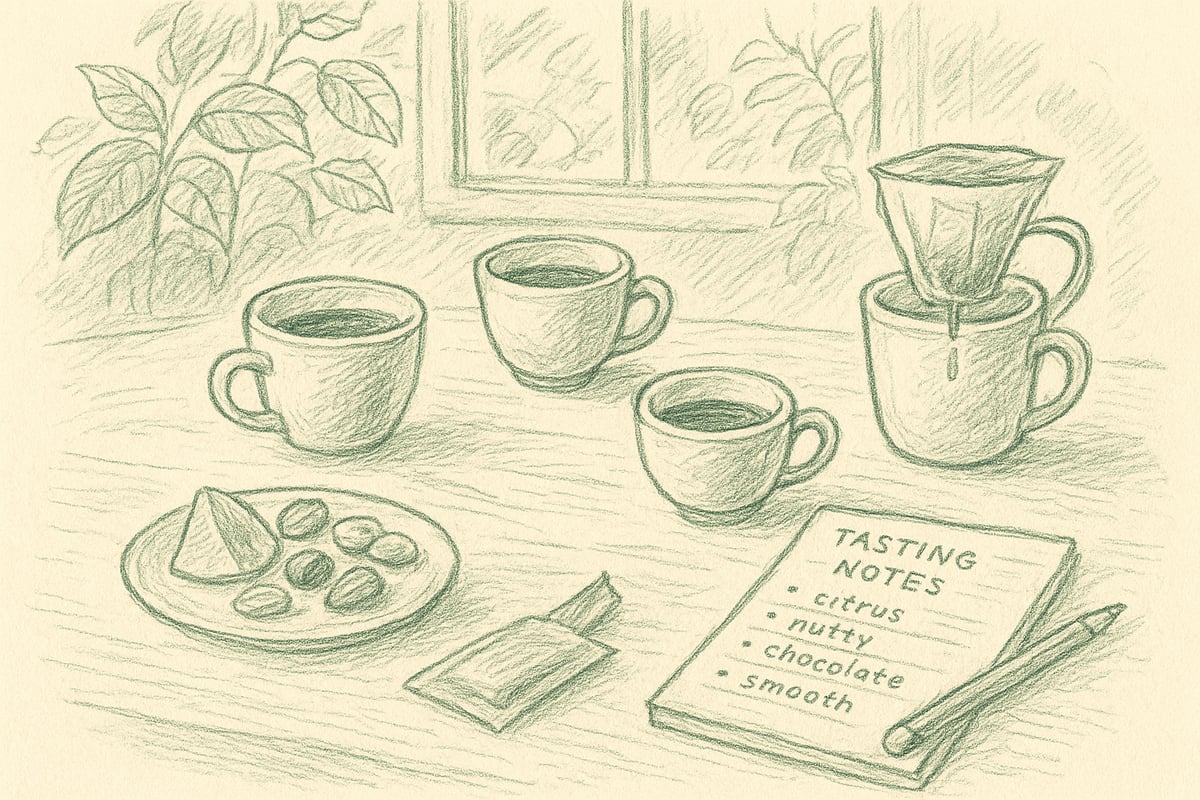
Tasting the full spectrum of flavor in coffee begins with a few simple steps. First, set up a clean, neutral space free from strong smells or distractions. This lets your senses focus on the coffee alone.
Next, brew your coffee using a consistent method. Pour-over and French press are both excellent for revealing unique characteristics. Before sipping, inhale deeply and notice the aroma. What scents do you find—floral, fruity, nutty?
Take a small sip, letting the coffee coat your palate. Notice the first impressions: is it bright, sweet, or earthy? Try to identify flavor notes, acidity, sweetness, body, and aftertaste.
Compare your observations with a flavor wheel or tasting cards. For more detailed tips, check out How to Taste Coffee for a hands-on approach to exploring flavor in coffee.
Training Your Palate: Tips and Sensory Exercises
Developing your ability to detect flavor in coffee is like training a muscle—it gets sharper with practice. Start by tasting coffees from different origins or processes side by side. Notice how a washed Ethiopian shines with citrus and florals, while a honey-processed Sumatran brings spice and depth.
Pair your coffee with small bites of fruit, chocolate, or nuts. This helps your palate recognize overlapping notes and builds a sensory memory bank. Keep a simple tasting journal to track your favorites and new discoveries.
Mindful sipping is key. Focus on the temperature, texture, and evolving flavors as the coffee cools. Join local cuppings or online tastings to learn alongside others and expand your vocabulary for flavor in coffee.
Describing Flavor: Building Your Sensory Vocabulary
Learning to describe flavor in coffee turns each cup into a story. Begin with broad categories: is it fruity, floral, nutty, chocolatey, earthy, or spicy? Then get specific—does the fruit taste like lemon or blueberry? Is the chocolate more like cocoa or dark chocolate?
Use the Specialty Coffee Association’s flavor wheel as a reference. Here’s a simple table to help build your vocabulary:
| Broad Category | Specific Example |
|---|---|
| Fruity | Lemon, peach, cherry |
| Floral | Jasmine, rose |
| Nutty | Hazelnut, almond |
| Chocolatey | Cocoa, milk chocolate |
| Earthy | Cedar, tobacco |
| Spicy | Clove, cinnamon |
Try describing your cup out loud or jotting a note like, “This coffee is bright and floral with a juicy citrus finish.” Remember, your personal perception is valid—there are no wrong answers when it comes to flavor in coffee. Sharing tasting notes with friends or a coffee community deepens your connection to the ritual and the Grove’s world.
The more you practice, the more confident and creative you’ll become in telling the story of each brew through the five senses.
Coffee Trends & Innovations: What’s Brewing for 2026?
The world of flavor in coffee is more exciting than ever. In 2026, curiosity leads the way, with each cup offering a new story, a fresh ritual, and a hint of magic. Let’s step into the Grove and discover the latest innovations shaping your coffee experience.
Flavor Innovation: New Frontiers in Coffee
Flavor in coffee is expanding in bold directions. Artisans blend coffee with tea leaves, botanicals, and rare spices to create hybrids that surprise the senses. Imagine sipping a pour-over that tastes like floral oolong or tropical fruit—each brew is a tiny adventure.
Experimental fermentations are unlocking vibrant, wine-like, and even savory notes. Scientists are now uncovering exactly how fermentation brings out fruity aromas, as detailed in Fermented coffee's fruity aromas demystified. These breakthroughs elevate the flavor in coffee to new heights, making every limited-edition or micro-lot drop feel like a collectible treasure.
Boxes arrive with tasting cards and Grove-inspired art, making each unboxing a moment of sensory joy. The future is for the curious, with flavor in coffee offering endless journeys for your palate.
Sustainability and Ethical Sourcing: Impact on Flavor
Sustainability is not just a buzzword—it is changing the flavor in coffee at its roots. Direct trade and transparent sourcing mean roasters and drinkers are closer to the farms, celebrating unique flavors from specific regions. Regenerative farming and shade-grown practices nurture richer, more layered beans.
Ethical sourcing preserves heirloom varietals and supports biodiversity, giving you a cup that is both delicious and responsible. Farms that value the land and the people behind each harvest create coffee with a story you can taste.
Consumers are now seeking traceable, ethically grown beans, knowing these choices impact both flavor in coffee and the future of the industry. When you choose sustainable brews, you support a cycle of care that enhances every sip.
Coffee Culture: Ritual, Community, and Lifestyle
Coffee culture in 2026 is all about slowing down and savoring. The ritual of brewing—opening a sachet, inhaling the aroma, pouring hot water—becomes a daily act of presence. People gather for community tastings, share finds in online forums, and collect beautifully designed sachets that tell the story of each origin.
- Slow mornings with intentional rituals
- Community cuppings and online flavor journeys
- Artful packaging and Grove-inspired design
Storytelling is woven into every cup, making flavor in coffee more than a taste—it’s a lifestyle. The best brews are those enjoyed with intention and connection, inviting you to pause, share, and truly experience the moment.
FAQ: Flavor in Coffee—Your Questions Answered
Curious about the flavor in coffee and how to savor every sip? Here are answers to the most common questions, designed to guide your journey in the Grove and beyond.
What are coffee flavor notes, and are they natural?
Flavor notes describe the natural aromas and tastes found in coffee, shaped by origin, process, and roast. They are not additives, but the result of complex chemistry.
How do I start tasting and describing coffee at home?
Begin by brewing mindfully, inhaling the aroma, and sipping slowly. Compare your impressions to a flavor wheel or tasting card.
Why do some coffees taste fruity while others are nutty or chocolatey?
Differences in origin, altitude, and processing create a spectrum of flavors. Your own genetics and mood also shape perception, as explored in New insights into the perception of coffee taste.
Does brewing method change the flavor in coffee?
Absolutely. Pour-over, French press, and espresso each highlight different aspects like body, acidity, and aroma.
How do I find a coffee that matches my taste?
Try a variety of origins and roast levels. A tasting journal or personality quiz can help you discover your ideal profile.
Are single-serve sachets as flavorful as fresh-ground beans?
Quality sachets, like those from Pixies Brew, are crafted to preserve flavor in coffee and offer a sensory-rich experience anywhere.
What’s the best way to store coffee for flavor?
Keep beans or sachets in a cool, airtight container away from light and moisture.
Can I enjoy specialty coffee without fancy equipment?
Yes. Single-serve pour-over sachets make it easy to enjoy flavor in coffee without any special tools—just hot water and a moment to savor.
As you’ve wandered through the Grove with me and uncovered the magic behind every flavor, maybe you’re feeling that itch to taste the next chapter for yourself. There’s something special about pausing in the morning light, letting a delicate aroma rise from your cup, and realizing each sip is a new story waiting to unfold. If you’re curious to see which flavor speaks to your spirit—or just want to make your daily coffee feel a little more enchanted—you can Discover Your Flavor and let your own ritual begin.
