


K Cup Coffee Maker: Speed, Ritual & Hidden Costs
The k cup coffee maker revolutionized how millions brew their morning cup, delivering speed and consistency at the push of a button. But beneath the convenience lies a deeper conversation about what we lose when we optimize away the ritual, the sensory richness, and the environmental footprint of our daily brew. This machine, born from Keurig's innovation in the late 1990s, promised a future where coffee came without mess, without measuring, without waiting. Yet as we stand in our kitchens in 2026, many coffee lovers are questioning whether the fastest cup is always the best one.
How a K Cup Coffee Maker Actually Works
The mechanics are elegantly simple. You lift the handle, drop in a plastic pod, close the lid, select your cup size, and press brew. Inside that compact housing, a needle punctures the top and bottom of the K-Cup, while heated water from an internal reservoir rushes through under pressure.
The brewing process takes roughly 60 to 90 seconds from start to finish. Water heats to approximately 192°F, then pumps through the sealed pod, extracting flavor from pre-ground coffee trapped inside. The grounds themselves never touch your mug, the machine, or your hands.
This sealed system offers:
- Zero cleanup beyond rinsing your cup
- No measuring or grinding required
- Consistent temperature and timing
- Single-serve portions that prevent waste
- Quick successive brews for multiple people
The technology works brilliantly for its intended purpose. But that sealed efficiency comes with tradeoffs that extend beyond your kitchen counter.
The Appeal: Why Speed Captured a Generation
Walk into any office break room, hotel lobby, or busy household, and you'll likely find a k cup coffee maker humming quietly in the corner. The appeal isn't mysterious. It's rooted in the very real demands of modern life, where mornings compress into frantic sprints and every minute counts.
There's something almost meditative about the simplicity. No scoops to measure, no filters to place, no carafe to clean. Just pod, button, coffee. For someone rushing between school drop-off and a morning meeting, that simplicity feels like mercy.
The Consistency Factor
Every cup emerges identical to the last. The same strength, the same temperature, the same volume. For households where everyone wants their coffee differently, or offices serving dozens of people daily, this consistency eliminates guesswork and conflict.
Modern k cup coffee maker models have evolved far beyond basic black coffee. The Keurig K-Duo brews both single cups and full carafes, while the K-Slim fits into narrow counter spaces with grace.
The variety explodes beyond coffee into tea, hot chocolate, cider, even soup broths. This versatility transforms the machine from coffee maker into beverage station.
The Environmental Weight We Don't See
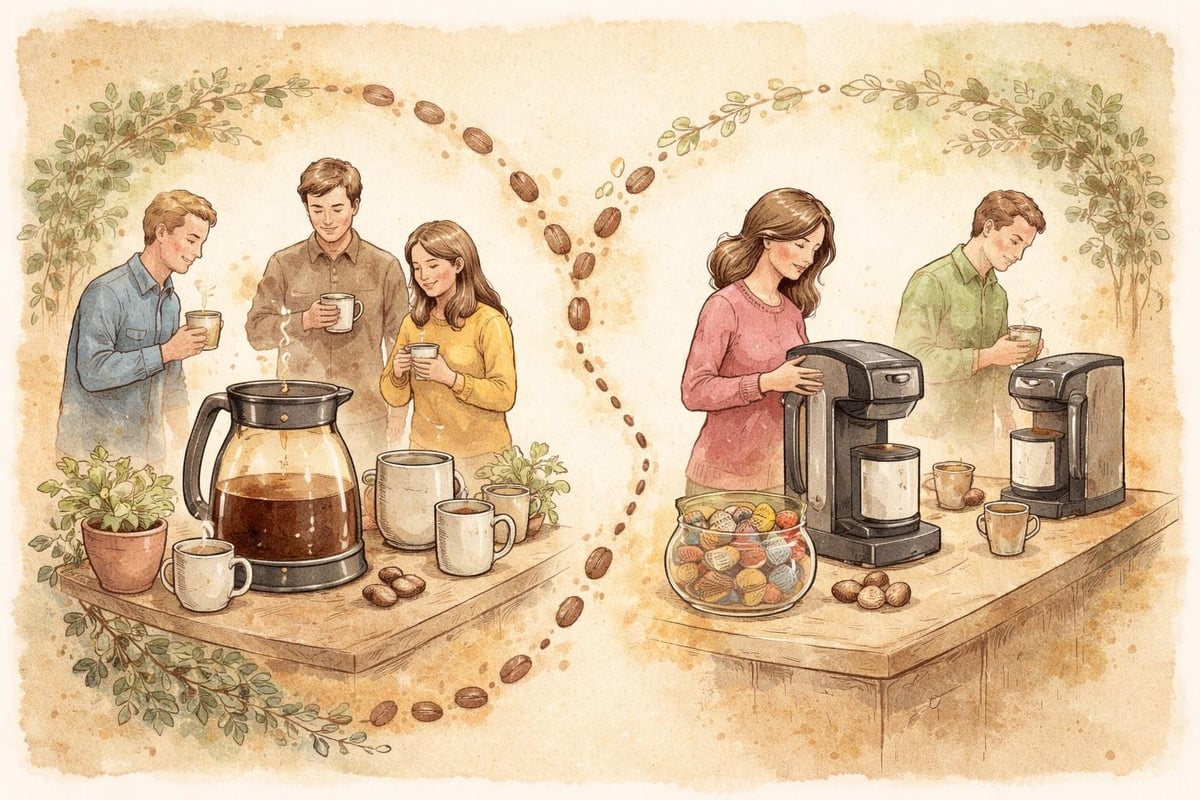
Here's where the story darkens. Every K-Cup you brew creates waste that outlives the pleasure of drinking it. In 2026, despite recycling programs and compostable alternatives, the majority of pods still end up in landfills, where they'll remain for centuries.
The numbers tell a sobering story. Billions of K-Cups are sold annually, and recycling remains challenging even when the pods are technically recyclable. Most municipal systems require you to peel off the foil lid, empty the grounds, separate the filter, and rinse the plastic cup before recycling. Few people do this.
Environmental concerns include:
- Plastic and aluminum waste accumulation
- Manufacturing emissions for single-use pods
- Transportation costs for lightweight, air-filled packages
- Limited actual recycling rates despite recyclable claims
- Microplastic concerns from heated plastic contact
The environmental cost compared to alternatives becomes stark when you calculate daily usage. A single person drinking one K-Cup daily generates roughly 365 pods annually. A household of four using two cups each creates nearly 3,000 pods of waste per year.
Reusable Pods: A Partial Solution
Many k cup coffee maker owners turn to reusable pods, which you fill with your own ground coffee. These reduce waste significantly and allow you to choose your beans. But they reintroduce the measuring, filling, and cleaning that the system was designed to eliminate.
The convenience disappears. You're essentially using an expensive machine to brew a small amount of drip coffee, one cup at a time, which raises the question of whether a traditional drip coffee maker might serve you better.
What You Sacrifice for Speed
Beyond environmental impact, the k cup coffee maker fundamentally changes your relationship with coffee. The ritual compresses into a transaction. The sensory experience narrows to a single dimension: taste, and often, a muted version of it.
Coffee brewed this way lacks the aromatics that fill a kitchen when you grind beans fresh or watch water spiral through grounds in a pour-over. You don't feel the warmth rising from the cup as it brews. You don't hear the gentle bloom and bubble of water meeting coffee.
These sensory losses matter more than we initially realize. The complete brewing ritual engages us, pulls us into the present moment, transforms caffeine delivery into something closer to ceremony.
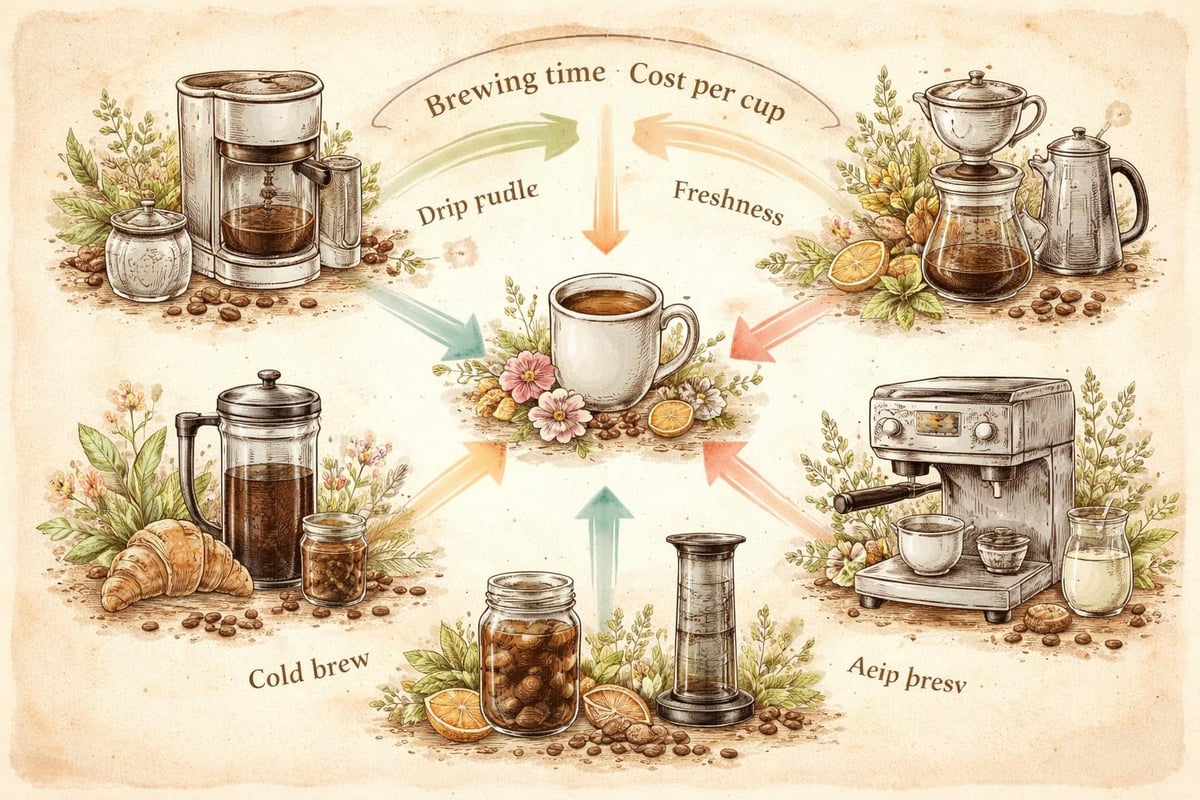
| Brewing Method | Time Required | Sensory Engagement | Waste Generated | Coffee Quality |
|---|---|---|---|---|
| K-Cup Machine | 1-2 minutes | Minimal | High (plastic pods) | Consistent, moderate |
| Pour-Over Sachet | 3-4 minutes | Rich (sight, smell, touch) | Low (compostable) | Exceptional, fresh |
| Traditional Drip | 5-8 minutes | Moderate | Low (paper filter) | Good, variable |
| French Press | 6-10 minutes | Rich | Minimal | Rich, full-bodied |
The k cup coffee maker optimizes for efficiency. But coffee, at its heart, resists optimization. It wants to be savored, not rushed.
The Cost Per Cup Calculation
Let's talk economics. A single K-Cup typically costs between $0.50 and $1.00, depending on brand and where you buy. Premium options can reach $1.50 per cup. At one cup daily, that's $180 to $365 annually. For a two-cup-a-day household, you're looking at $360 to $730 per year just for the pods.
Compare this to buying whole bean or pre-ground coffee, which costs roughly $0.25 to $0.50 per cup for quality beans. The cost comparison becomes even more stark when you factor in the initial machine cost, which ranges from $80 to $250 for most models.
Annual cost breakdown for daily drinker:
- K-Cups (1 cup/day): $180-$365
- Whole bean coffee (1 cup/day): $90-$180
- Pour-over sachets (1 cup/day): $120-$200
- Traditional drip (1 cup/day): $80-$150
The convenience premium is real. You're paying roughly double for the speed and simplicity, which may be worthwhile depending on your values and circumstances.
When a K Cup Coffee Maker Makes Perfect Sense
Despite the critiques, there are scenarios where this machine genuinely shines. Office environments with diverse preferences benefit enormously. Hotels and waiting rooms need reliable, low-skill operation. Households with wildly different wake times avoid brewing full pots that sit burning for hours.
People with limited mobility appreciate not handling hot carafes or measuring grounds with arthritic hands. The machine's accessibility features matter. College students in dorm rooms without full kitchens find them practical. RV owners value the compact footprint and quick heat-up.
The key is honest assessment. If you value convenience above all else and accept the environmental and economic tradeoffs, then a k cup coffee maker serves your needs effectively. The problem arises when we pretend those tradeoffs don't exist.
The Alternative Path: Slow Coffee Rising
Something quiet has been happening in coffee culture. As k cup coffee maker sales plateaued, interest in manual brewing methods surged. Pour-over, French press, and single-serve sachets found new audiences among people craving connection to their morning ritual.
This isn't about rejecting technology. It's about choosing which aspects of the coffee experience we want to preserve. The smell of fresh grounds meeting hot water. The visual beauty of bloom. The meditative pause that brewing requires.
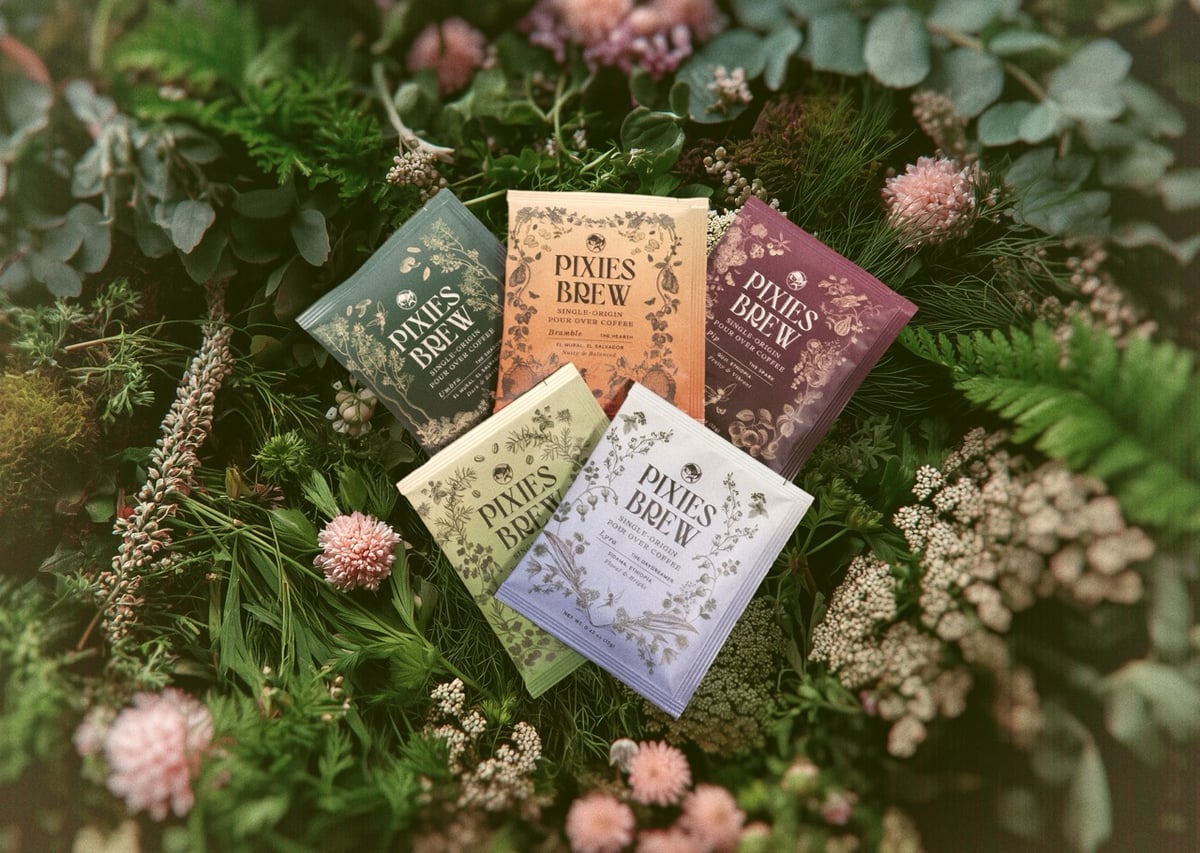
For those seeking this richer experience without the complexity of traditional pour-over, coffee sachets offer an elegant middle path. These delicate packets contain precisely measured, specialty-grade coffee in a filter that brews directly in your cup. You add hot water, wait three to four minutes, and remove the sachet. The ritual takes slightly longer than a k cup coffee maker, but delivers significantly better coffee with minimal waste. Consider exploring the Pixies Brew Variety Box: The Discovery Set to experience how single-serve convenience can coexist with exceptional quality and mindful ritual.
Sensory Richness Returns
With pour-over sachets, you watch the coffee bloom as water first touches the grounds. You smell the release of aromatics, different notes emerging as the water cools slightly. You feel the warmth of the cup as it brews directly in your hand.
These small moments add up. They create space in a rushed morning. They remind you that speed isn't always the highest value.
Upgrading Your K Cup Coffee Maker Experience
If you're committed to your machine but want better results, several strategies help. Start with water quality-filtered water dramatically improves taste. Run a brew cycle without a pod occasionally to clear mineral buildup.
Choose higher-quality pods from roasters who package fresh. Some specialty coffee companies now offer K-Cup formats with better beans and faster packaging timelines, reducing the staleness factor.
Optimization tips include:
- Brew smaller cup sizes for stronger flavor concentration
- Use the "strong" setting if your model offers it
- Descale monthly with vinegar or commercial solution
- Preheat your mug with hot water first
- Try reusable pods with freshly ground specialty beans
These adjustments won't transform k cup coffee maker results into artisan pour-over quality, but they'll help you extract the best from the system you have.
What the Machine Teaches About Values
Every brewing method we choose reflects what we prioritize. The k cup coffee maker embodies efficiency, consistency, and individual convenience. It's the coffee equivalent of fast food-reliable, quick, standardized.
There's no moral failing in choosing this. But it's worth examining whether speed is actually serving us, or whether we've simply normalized rushing through moments that once offered pause.
The health and environmental considerations extend beyond plastic waste to questions about heated plastic contact with our beverages, the quality of pre-ground coffee sitting in sealed pods for months, and what we teach ourselves about worth and waste.
When coffee costs less than bottled water but generates more packaging waste, something has shifted in our value system.
Finding Your Coffee Truth in 2026
We've reached a cultural moment where convenience and consciousness collide. The k cup coffee maker represents one path-the path of optimization, where morning coffee becomes a checkbox to complete rather than a ritual to savor.
But alternative paths have emerged. Luxury isn't always found in premium brands or expensive machines. Sometimes it's discovered in slowing down enough to notice what you're drinking, where it came from, how it makes you feel.
The best brewing method is the one you'll actually use, that brings you joy, that aligns with your values around time, quality, waste, and ritual. For some, that's still a k cup coffee maker. For others, it's a return to methods that engage more of the senses and create less environmental harm.
Making the Transition
If you're considering moving away from your k cup coffee maker, start small. Try a pour-over sachet on weekends when you have extra time. Notice how the experience differs. Does the slower pace feel frustrating or restorative?
Experiment with different methods. French press on Sunday mornings. Single-serve sachets during the week. Maybe keep your machine for guests or rushed mornings, but default to something richer when time allows.
The transition doesn't need to be absolute. Coffee culture thrives on diversity of method and preference. What matters is conscious choice rather than unconscious habit.
Frequently Asked Questions
How long do K-Cups stay fresh? Most K-Cups have a "best by" date of 8-12 months from manufacturing, but the coffee inside begins losing flavor within weeks of being ground. The sealed pods protect from oxygen and moisture but can't stop the gradual degradation of pre-ground coffee.
Are K-Cups really recyclable? Many K-Cups now use recyclable plastic, but actual recycling requires peeling off the foil lid, emptying grounds, and rinsing the cup-steps most people skip. Check your local recycling guidelines, as many facilities don't accept them even when technically recyclable.
Can I use any K-Cup in any Keurig machine? Most Keurig machines work with standard K-Cups, but some newer models are designed to work only with pods from specific manufacturers. Check your machine's compatibility before purchasing pods.
How much does it cost to run a k cup coffee maker? The machine itself uses minimal electricity-roughly $20-30 per year if used daily. The main cost is the pods, which run $180-365 annually for one cup per day, plus occasional descaling solution.
What's the environmental impact compared to traditional brewing? A k cup coffee maker generates significantly more waste per cup than traditional methods. One year of daily K-Cup use creates approximately 4-5 pounds of plastic waste, compared to less than a pound for pour-over filters or reusable methods.
The k cup coffee maker solved a problem we didn't know we had, then created problems we didn't anticipate. As we move through 2026, the most valuable question isn't which machine brews fastest, but which method brings the most meaning to your mornings. If you're ready to explore coffee that honors both convenience and craft, that delivers exceptional flavor without the environmental burden, Pixies Brew offers single-serve sachets designed for the intentional pause your mornings deserve-where speed meets soul, and every cup becomes a small ceremony worth savoring.
