


The Pour Over Coffee Dripper: A Ritual Worth Slowing For
A pour over coffee dripper is more than a brewing device. It's an invitation to pause, to engage all five senses, and to transform your morning coffee into a small ceremony of attention. At its core, this simple cone-shaped tool lets hot water flow through ground coffee at your own pace, extracting flavors with precision and care. Whether you're new to manual brewing or a seasoned coffee enthusiast, understanding the pour over coffee dripper opens a door to richer, more intentional mornings.
What Makes the Pour Over Coffee Dripper Special
The magic isn't in complexity. It's in control.
Unlike automatic brewers that hide the process behind plastic panels, the pour over coffee dripper places every variable in your hands. You determine the water temperature, the pour rate, the bloom time. Each choice shapes the final cup, creating a conversation between you and the beans.
This method traces back centuries, but modern coffee culture has refined it into an art form. The dripper itself is elegantly simple: a cone (usually ceramic, glass, or plastic) with ridges inside and a hole at the bottom. Place a paper or metal filter inside, add ground coffee, pour hot water in a controlled stream, and watch as gravity and time work together.
The Sensory Journey of Pour Over Brewing
Before water touches grounds, there's anticipation. The visual beauty of specialty beans, each one a different shade of brown, tells stories of origin and roast level. As you measure them into the grinder, their weight feels substantial in your palm.
The grind releases the first aromatic wave. Notes of chocolate, fruit, or nuts emerge depending on the beans' character. This is when the Grove comes alive in your kitchen-that botanical, lived-in space where ritual meets reality.
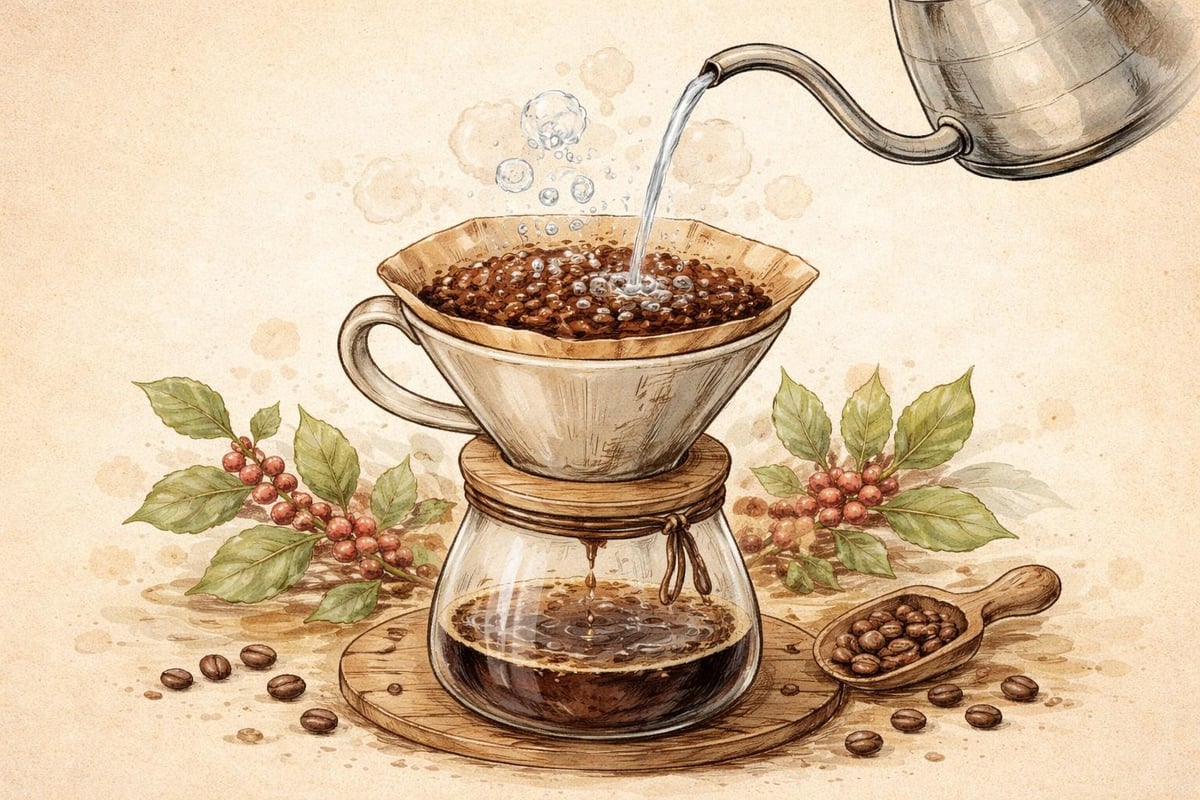
When hot water first meets grounds in what brewers call the "bloom," coffee swells and releases carbon dioxide. The sound is a gentle whisper, almost like soil breathing after rain. This 30-second pause lets gases escape so water can later extract flavors evenly.
The main pour transforms the dripper into a small fountain. Water spirals from center to edge, darkening the grounds as it passes through. The tactile experience of holding the kettle, controlling the stream, connects you physically to the process. Your hand learns the rhythm: steady, patient, purposeful.
Choosing Your Pour Over Coffee Dripper
The market offers dozens of options, each with distinct characteristics. Understanding these differences helps you find the right match for your brewing style.
| Dripper Type | Material | Best For | Key Feature |
|---|---|---|---|
| Hario V60 | Ceramic, glass, plastic | Experienced brewers | Large single hole, spiral ridges |
| Kalita Wave | Stainless steel, ceramic | Consistent results | Flat bottom, three small holes |
| Chemex | Glass | Entertaining, larger batches | Integrated carafe design |
| Melitta | Porcelain, plastic | Beginners | Forgiving flat bottom |
The V60 requires the most technique. Its large opening and spiral ridges give you maximum control but demand attention to pour rate and pattern. Mastering the V60 technique involves understanding how spiral pours affect extraction.
The Kalita Wave offers more forgiveness. Its flat bottom and multiple small holes slow the flow rate, making it harder to over-extract or under-extract. This design suits those seeking consistency without constant vigilance.
For those drawn to aesthetic ritual, the Chemex combines brewing vessel and serving carafe in one elegant hourglass form. Its thicker filters produce exceptionally clean cups, though they require a coarser grind than other drippers.
Material Matters More Than You Think
Ceramic drippers retain heat beautifully, maintaining stable brewing temperature throughout the process. They're heavier, more fragile, but feel substantial and intentional. Glass offers visual connection-watching the coffee drip into your vessel becomes part of the meditation.
Plastic drippers often get dismissed as lesser, but high-quality versions like the Hario plastic V60 offer excellent thermal properties and durability. They're perfect for travel or outdoor brewing, bringing the ritual wherever you wander.
Stainless steel combines durability with heat retention, though it requires preheating to prevent temperature loss during brewing.
The Pour Over Technique: From Basics to Nuance
Start with the fundamentals, then let your palate guide refinement.
The Essential Steps:
- Heat water to 195-205°F (just off boil for most beans)
- Rinse the filter to remove paper taste and preheat the dripper
- Add 15-20 grams of coffee (medium-fine grind) per cup
- Pour 2-3 times the coffee weight in water for the bloom
- Wait 30-45 seconds
- Pour remaining water in slow, steady spirals
- Total brew time: 2.5-3.5 minutes for most drippers
The Specialty Coffee Association's brewing guidelines provide standardized ratios and techniques for achieving optimal extraction.
But standards are starting points, not commandments.
Reading the Signs
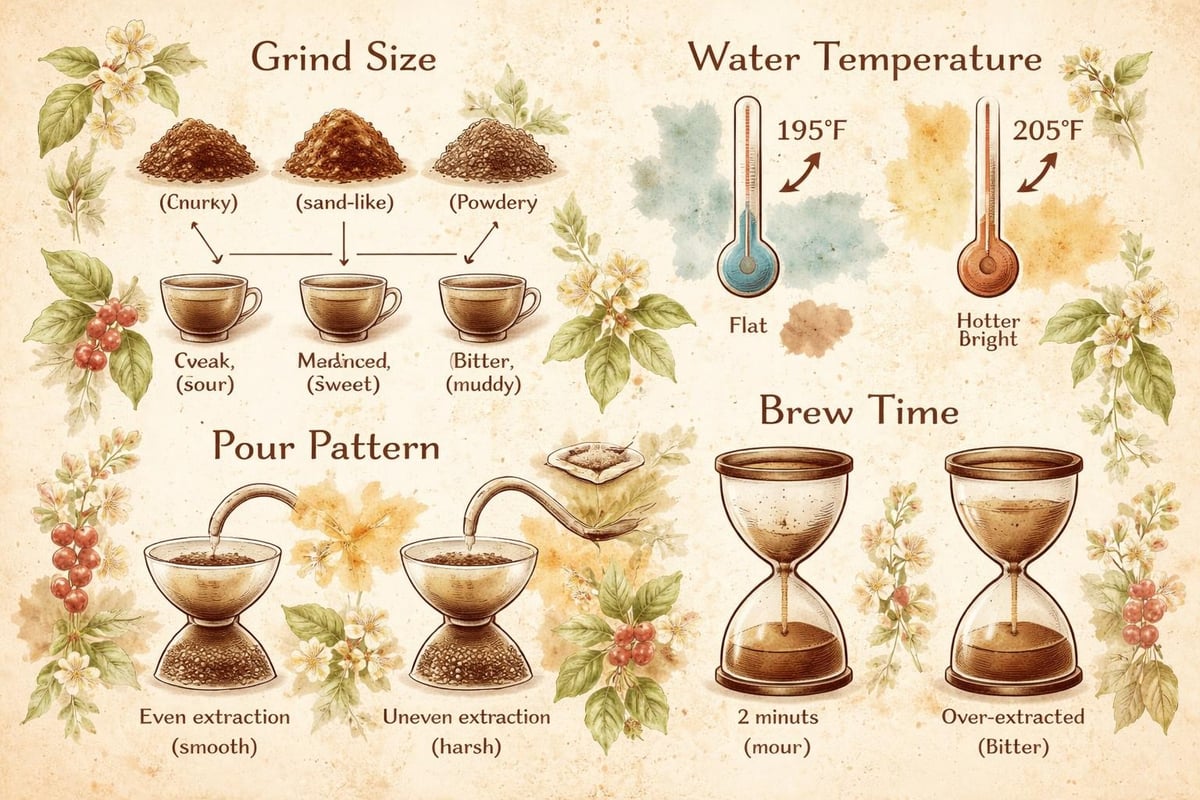
Your coffee tells you when extraction is right. Under-extracted coffee tastes sour or weak-tea-like without body. The grind was too coarse, the water too cool, or the brew time too short.
Over-extracted coffee turns bitter and astringent, leaving an unpleasant coating in your mouth. You ground too fine, kept the water too hot, or poured too slowly.
Perfect extraction brings balance: sweetness, acidity, body, and finish all present in harmony. Each origin expresses itself differently-Ethiopian beans might sing with berry notes, Colombian beans offer caramel richness, Indonesian beans bring earthy depth.
The Pour Over Coffee Dripper in Daily Ritual
Ritual isn't about perfection. It's about presence.
Some mornings, you'll nail every variable. Other days, the coffee will be merely good, not transcendent. Both matter. The act of slowing down, of engaging your senses, of creating something with your hands-these hold value beyond the liquid in your cup.
In the Grove, where moss grows patient on north-facing stones and light filters through leaves at different angles each day, perfection means showing up. The pour over coffee dripper asks the same: be here, pay attention, participate.
Pairing Your Dripper with Specialty Sachets
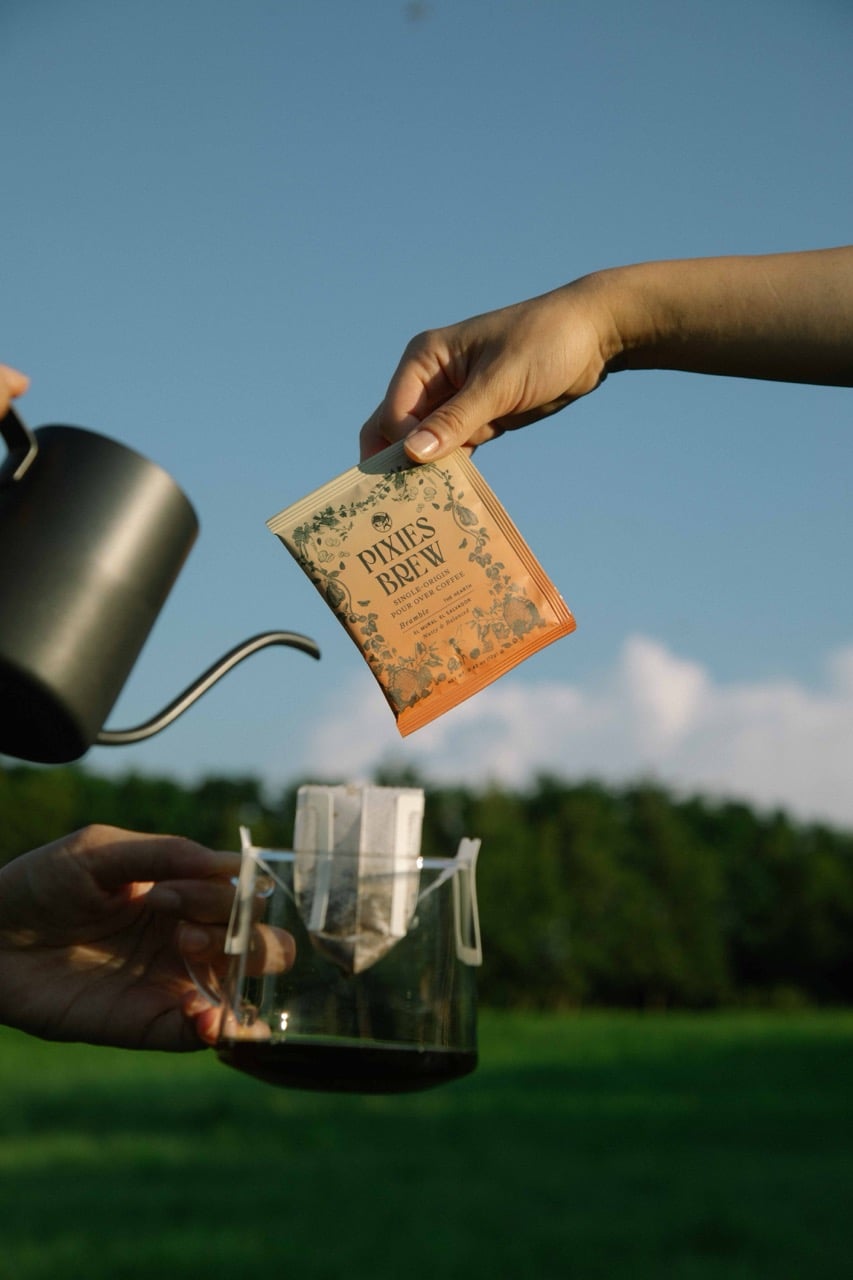
Modern innovation meets traditional technique in unexpected ways. While whole bean brewing offers maximum control, specialty pour-over sachets bring convenience without sacrificing ritual. Pixies Brew's single-serve pour-over packets combine carefully sourced beans, optimal grind size, and individual filters into portable sachets that fit any dripper. Each flavor profile-from bright and citrusy to deep and chocolatey-has been crafted to bloom beautifully and extract evenly, making the pour over coffee dripper accessible for busy mornings while preserving the meditative process.
Troubleshooting Common Pour Over Challenges
Even experienced brewers encounter obstacles. Recognition leads to adjustment.
Brew Time Too Fast (Under 2 Minutes)
Your grind is too coarse. Coffee flows through too quickly, leaving flavors locked inside the grounds. Adjust your grinder one notch finer and test again.
Brew Time Too Slow (Over 4 Minutes)
Too fine a grind clogs the filter, causing water to pool and over-extract. Coarsen the grind slightly. Also check that you're not compacting the coffee bed with aggressive pours.
Uneven Extraction (Channels in Coffee Bed)
When water finds paths of least resistance, it creates channels that leave some grounds dry while over-extracting others. Pour more evenly, starting from the center and spiraling outward in consistent circles.
Weak, Watery Coffee
Increase your coffee-to-water ratio. Try 1:15 instead of 1:17 (15 grams water per gram of coffee). Also verify water temperature-lukewarm water won't extract properly.
Beyond Basics: Advanced Pour Over Techniques
Once fundamentals become second nature, exploration begins.
Pulse Pouring involves multiple small pours rather than one continuous stream. This method gives you more control over extraction timing and can emphasize different flavor characteristics. Try three or four pulses, letting the water level drop between each addition.
Bloom Variations change how gases release and flavors develop. A longer bloom (45-60 seconds) with more water can bring out sweetness. A shorter bloom emphasizes brightness and acidity.
Temperature Stepping starts with hotter water for the bloom, then cooler water for the main pour. This technique can reduce bitterness while maintaining extraction strength.
Different scientifically perfect pour-over methods continue to emerge, each offering insights into how small changes create significant flavor shifts.
The Equipment Ecosystem
A pour over coffee dripper doesn't exist in isolation. Supporting tools enhance the ritual.
Gooseneck Kettle: The narrow, curved spout provides pour control that makes the difference between good and exceptional coffee. Electric versions with temperature control remove guesswork from water heating.
Scale: Precision matters. Measuring coffee and water by weight rather than volume ensures consistency day after day.
Grinder: Blade grinders create uneven particles that extract inconsistently. Burr grinders (especially conical burr models) produce uniform grounds that extract evenly.
Thermometer: Until you develop intuition for water temperature, a simple thermometer prevents too-hot or too-cool brewing.
Creating Your Brewing Station
Dedicate a small space to coffee ritual. A tray or corner of your counter can hold dripper, kettle, grinder, and beans. This defined space signals intention-when you step here, you're entering a different pace.
Keep a notebook nearby. Record grind settings, brew times, and tasting notes. Patterns emerge over weeks that transform intuition into knowledge.
The Environmental Story
Every choice carries consequences. Understanding them matters.
Paper filters are convenient but single-use. Most aren't compostable due to sizing and bleaching processes. Metal filters eliminate waste but allow more oils and fine particles into your cup, changing body and mouthfeel.
The pour over coffee dripper itself, especially ceramic or glass versions, can last decades. This longevity contrasts sharply with electric brewers that fail after years, their electronic components and plastic bodies destined for landfills.
Sourcing specialty beans from roasters who prioritize sustainable and ethical practices extends environmental consciousness through the entire chain-from farm to cup.
FAQ: Pour Over Coffee Dripper Questions
How fine should I grind coffee for a pour over coffee dripper?
Aim for medium-fine-similar to granulated sugar. It should feel slightly gritty between your fingers, not powdery like espresso or coarse like French press. Adjust based on brew time and taste.
Can I use pre-ground coffee in a pour over coffee dripper?
Yes, though freshly ground beans offer superior flavor. If using pre-ground, buy small quantities and store in an airtight container away from light and heat. Use within two weeks for best results.
What's the ideal water temperature for pour over brewing?
Between 195-205°F (90-96°C) works for most beans. Lighter roasts benefit from hotter water to extract delicate flavors. Darker roasts can use cooler water to reduce bitterness.
How do I clean my pour over coffee dripper?
Ceramic and glass drippers wash easily with hot water and mild soap. Avoid abrasive scrubbers that might scratch surfaces. Metal filters need more attention-soak in hot water and detergent, then scrub gently to remove coffee oils. Rinse thoroughly.
Why does my pour over coffee taste bitter?
Bitterness usually indicates over-extraction. Try a coarser grind, slightly cooler water, or faster pour rate. Also verify your coffee isn't over-roasted or stale-old beans lose complexity and emphasize bitter notes.
How many cups can I make with one pour over coffee dripper?
Most drippers handle 1-2 cups comfortably. Larger Chemex models brew up to 8 cups. For single servings, a pour over coffee dripper excels at showcasing bean character without waste.
Making Pour Over Part of Your Morning
Ritual doesn't require an hour. Even fifteen minutes of focused attention shifts the day's trajectory.
Wake earlier than necessary. Not frantically, but with cushion. Measure beans while water heats. Let the grinder's hum become a wake-up call more gentle than any alarm.
During the bloom, step away from your phone. Watch the coffee swell. Notice the aroma changing as volatile compounds release into the air.
Pour with intention, not distraction. The spiral pattern your hand traces becomes a small meditation-repetitive motion that settles the mind while engaging the body.
When brewing finishes, that first sip deserves full attention. Hold the cup in both hands. Feel the warmth. Smell the aromatics rising with steam. Taste layers of flavor unfolding across your palate.
This is the gift of the pour over coffee dripper: not just better coffee, but better mornings. Not just caffeine, but ceremony. Not just fuel, but presence.
The Learning Curve Is the Point
Mastery takes time, and time well spent reveals itself in incremental improvements. Your tenth cup will surpass your first. Your hundredth will make the tenth look amateur. But every cup along the way offers discovery.
Try different beans. Ethiopian Yirgacheffe blooms with floral notes. Guatemalan Antigua brings cocoa and spice. Brazilian Santos offers nutty sweetness. Each origin teaches the pour over coffee dripper something new, and you learn alongside it.
Experiment with ratios. The standard 1:16 (16 grams water per gram coffee) provides a baseline, but your preference might land at 1:15 for strength or 1:17 for delicacy.
JavaPresse's comprehensive guide explores how the meditative aspects of manual brewing create value beyond the beverage itself.
Change one variable at a time. This scientific approach reveals cause and effect. Grind finer, keep everything else constant, notice the difference. Then return to baseline and adjust water temperature. Patterns emerge that inform intuition.
Where Pour Over Fits in Coffee Culture
The third-wave coffee movement elevated pour over from forgotten technique to celebrated craft. Specialty cafes worldwide train baristas in precise pouring patterns, treating each cup as a performance of skill and knowledge.
But pour over's resurgence isn't about pretension. It's about reconnection-to process, to ingredients, to slower rhythms that modern life often rushes past.
In an age of pod machines and app-controlled brewers, the pour over coffee dripper offers something quietly radical: participation. You're not pushing a button and walking away. You're present, engaged, responsible for the outcome.
This accessibility makes pour over democratic. A twenty-dollar plastic dripper and basic kettle can produce coffee rivaling expensive machines. Reviews of top pour-over makers consistently find that technique matters more than price point.
The Grove teaches this too: simple tools, attention, and time create richness that money alone can't buy.
The pour over coffee dripper transforms morning coffee from routine to ritual, from fuel to experience. Whether you're drawn to the V60's precision, the Kalita's consistency, or the Chemex's elegance, each device offers a pathway to more intentional mornings and deeper appreciation for specialty beans. Pixies Brew brings this ritual within reach for busy lives, offering carefully crafted single-serve pour-over sachets that honor the slow, sensory process while fitting into real-world mornings-because magic lives in the pause, not the rush.
