


Specialty Coffee Beans: A Guide to Quality and Ritual
The morning light filters through your kitchen window as you reach for a coffee packet that holds more than just ground beans. It holds a story. Specialty coffee beans represent the pinnacle of coffee cultivation, a dedication to quality that begins in the soil of a distant farm and ends in the cup you cradle in your hands. These beans aren't simply coffee; they're the result of intentional farming, meticulous processing, and a grading system that separates the extraordinary from the everyday. In 2026, the specialty coffee movement continues to reshape how we think about our morning ritual, transforming a simple caffeine fix into a moment of genuine connection with craft, origin, and flavor.
What Makes Specialty Coffee Beans Different
The term "specialty coffee" isn't marketing language. It's a precise classification based on stringent quality standards established by the Specialty Coffee Association. These beans must score 80 points or higher on a 100-point scale, evaluated by certified Q Graders who assess everything from aroma and flavor to acidity and body.
The Scoring System That Defines Quality
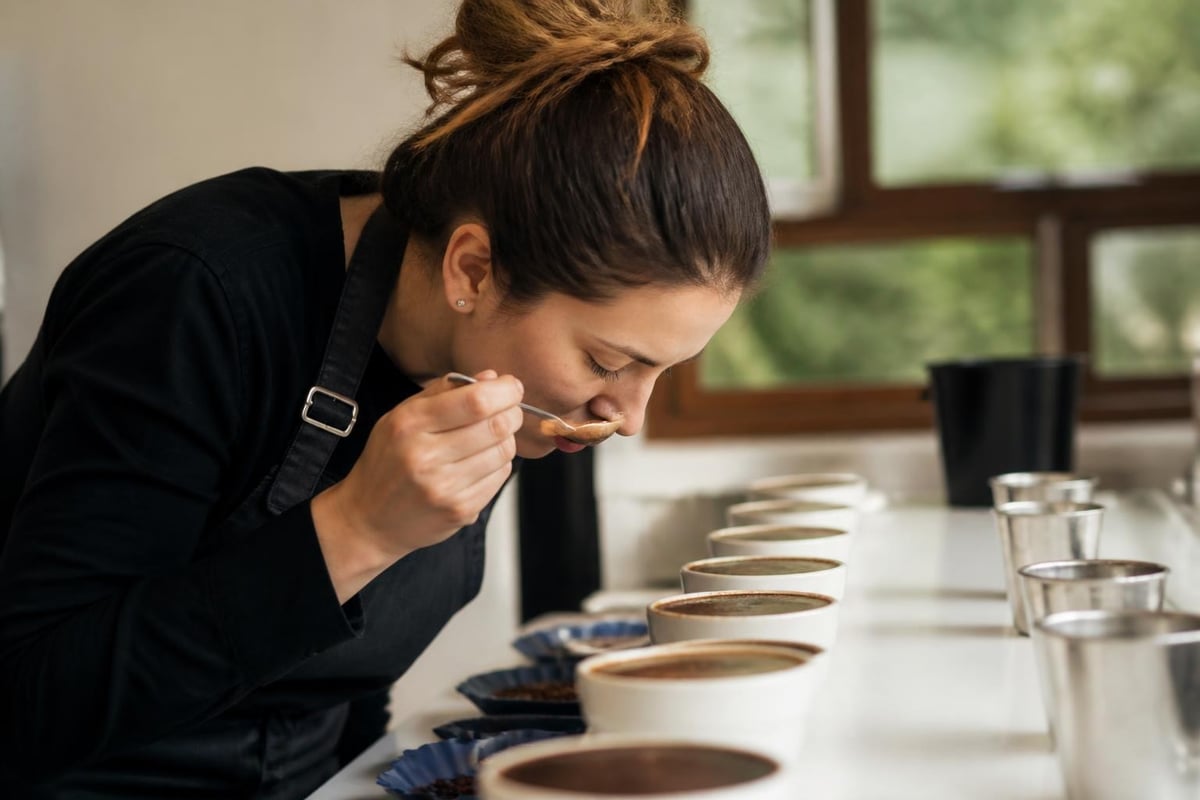
When you hold a packet of specialty coffee beans, you're holding coffee that passed rigorous testing. Q Graders evaluate green beans for defects, then cup the roasted coffee using a standardized protocol. They assign scores across multiple categories:
- Fragrance and aroma: The smell of dry grounds and brewed coffee
- Flavor: The primary taste characteristics
- Aftertaste: The lingering sensation after swallowing
- Acidity: The bright, lively notes that give coffee dimension
- Body: The weight and texture on your palate
- Balance: How harmoniously the elements work together
- Uniformity: Consistency across multiple cups
- Clean cup: Freedom from defects and off-flavors
- Sweetness: Natural sugars that develop during roasting
- Overall: The taster's holistic impression
According to research on coffee quality standards, this scoring system emerged from decades of refinement in understanding what makes exceptional coffee. Beans scoring below 80 points fall into commercial or commodity grades, which often blend multiple origins to achieve consistency rather than celebrate distinctive character.
Origin Matters More Than You Think
Every bag of specialty coffee beans carries a geographical fingerprint. Ethiopian beans from Sidama taste fundamentally different from Colombian beans grown in Huila, even when both achieve specialty status. Altitude, soil composition, rainfall patterns, and processing methods create flavor profiles as distinct as wine terroirs.
The International Coffee Organization notes that specialty coffee often comes from specific microclimates where coffee thrives between 1,200 and 2,000 meters above sea level. At these altitudes, beans develop more slowly, creating denser structure and more complex sugars that translate to nuanced flavors in your cup.
The Journey from Farm to Your Morning Ritual
Walk through a specialty coffee farm at harvest time and you'll see the care that defines these beans. Workers hand-select only the ripest cherries, leaving unripe fruit for future passes. This selective picking happens at Pixies Brew's sourcing partners, where relationships with farmers ensure ethical wages and sustainable practices.
Processing Methods That Shape Flavor
After harvest, coffee cherries undergo processing that profoundly influences final flavor. The three primary methods each create distinct taste experiences:
| Processing Method | Description | Flavor Impact |
|---|---|---|
| Washed | Fruit removed before drying | Clean, bright, showcases origin characteristics |
| Natural | Dried with fruit intact | Fruity, wine-like, fuller body |
| Honey | Partial fruit removal | Sweet, balanced between washed and natural |
When you brew a washed Ethiopian coffee, you're tasting the result of cherries pulped within hours of picking, fermented to remove mucilage, then dried on raised beds. The same beans processed naturally would taste dramatically different, with berry notes and syrupy body replacing crisp floral brightness.
Roasting as an Art Form
The roaster's craft transforms green specialty coffee beans into the aromatic grounds that steep in your cup. Small-batch roasters monitor temperature curves, development time, and first crack timing to highlight each origin's inherent qualities rather than mask them with roast character.
Light roasts preserve origin flavors. You taste the Ethiopian highlands, the Colombian mountains, the Burundian lakeside terroir. Medium roasts balance origin and caramelization, creating sweetness without obscuring source. Dark roasts emphasize roast development, though specialty roasters rarely push beans into the second crack that creates traditional French roast profiles.
For convenient brewing without sacrificing quality, innovations like single-serve coffee without pods have emerged, using nitrogen-flushed packets that preserve freshness while eliminating the waste and stale flavors of traditional pod systems.
Flavor Profiles That Tell Stories
Pour hot water over specialty coffee beans and you're unlocking stories written in soil and sunlight. Each origin brings characteristic flavors that experienced tasters recognize instantly.
Regional Flavor Signatures
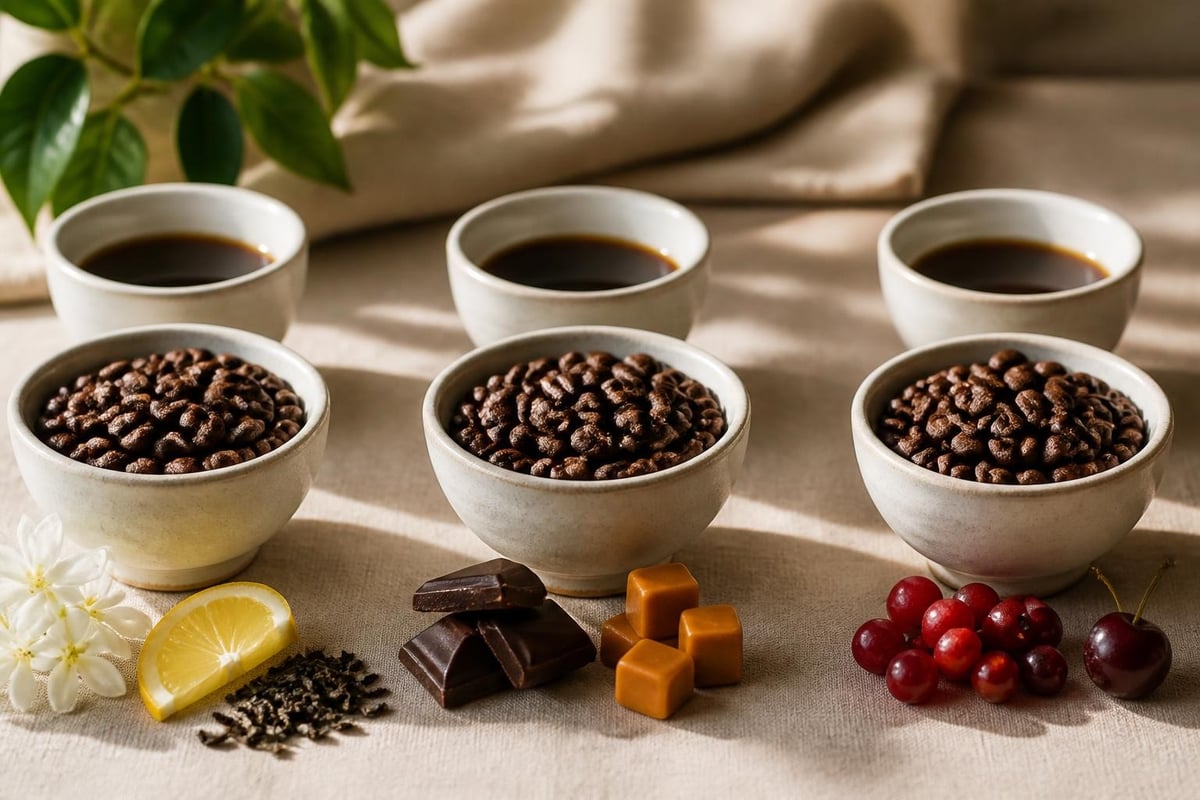
Ethiopian coffees from regions like Sidama and Guji deliver floral aromatics, citrus acidity, and tea-like clarity. The birthplace of coffee, Ethiopia produces beans with bergamot, jasmine, and stone fruit notes that dance on your palate like light through leaves.
Colombian coffees from Huila and other high-altitude regions offer chocolate, caramel, and nutty sweetness balanced with vibrant acidity. These approachable profiles make Colombian beans favorites for those seeking comforting familiarity with enough complexity to stay interesting.
Burundian coffees bring juicy sweetness, often with red fruit notes like cherry and plum, plus a silky body that coats your mouth. These beans showcase African terroir distinct from their Ethiopian neighbors.
The beauty of specialty-grade beans lies in their ability to express these regional characteristics clearly. When you taste notes of "blueberry" or "dark chocolate," you're not tasting added flavors. You're experiencing compounds naturally present in the beans, revealed through careful growing, processing, and roasting.
The Five Senses of Specialty Coffee
Before you sip, specialty coffee beans engage every sense. Tear open a freshly nitrogen-flushed packet and the aroma fills your space, coffee oils and volatile compounds meeting air. Pour hot water over the grounds and watch them bloom, releasing trapped CO2 in a gentle expansion that signals freshness.
Listen to the water coursing through grounds, a gentle percolation that builds anticipation. Feel the warmth of the cup in your hands, a tactile anchor to the present moment. Finally, taste, but don't rush. Let the coffee coat your palate, notice the first bright notes, the developing sweetness, the lingering finish.
This sensory engagement transforms coffee from fuel into ritual, from commodity into craft. Understanding the best approaches to single-cup brewing helps you maximize these sensory experiences while maintaining convenience.
Freshness and Storage: Protecting Your Investment
Specialty coffee beans begin losing peak flavor the moment roasting ends. Oxygen, light, heat, and moisture all degrade the volatile compounds that create complex flavors. Commercial coffee often sits in warehouses for months, but specialty roasters date their bags and recommend consumption windows.
The Science of Staleness
Coffee contains over 1,000 aromatic compounds, many of which oxidize rapidly after roasting. Within two weeks, whole beans lose noticeable vibrancy. Ground coffee degrades even faster, with surface area exposure accelerating oxidation.
Traditional solutions include:
- Buy whole beans and grind immediately before brewing
- Store in airtight containers away from light and heat
- Purchase smaller quantities more frequently
- Never refrigerate or freeze coffee (moisture condensation causes damage)
Modern innovations address freshness differently. Nitrogen flushing removes oxygen from packaging, creating an inert environment that preserves peak flavor. Single-serve portions reduce oxygen exposure by limiting the amount of coffee opened at once.
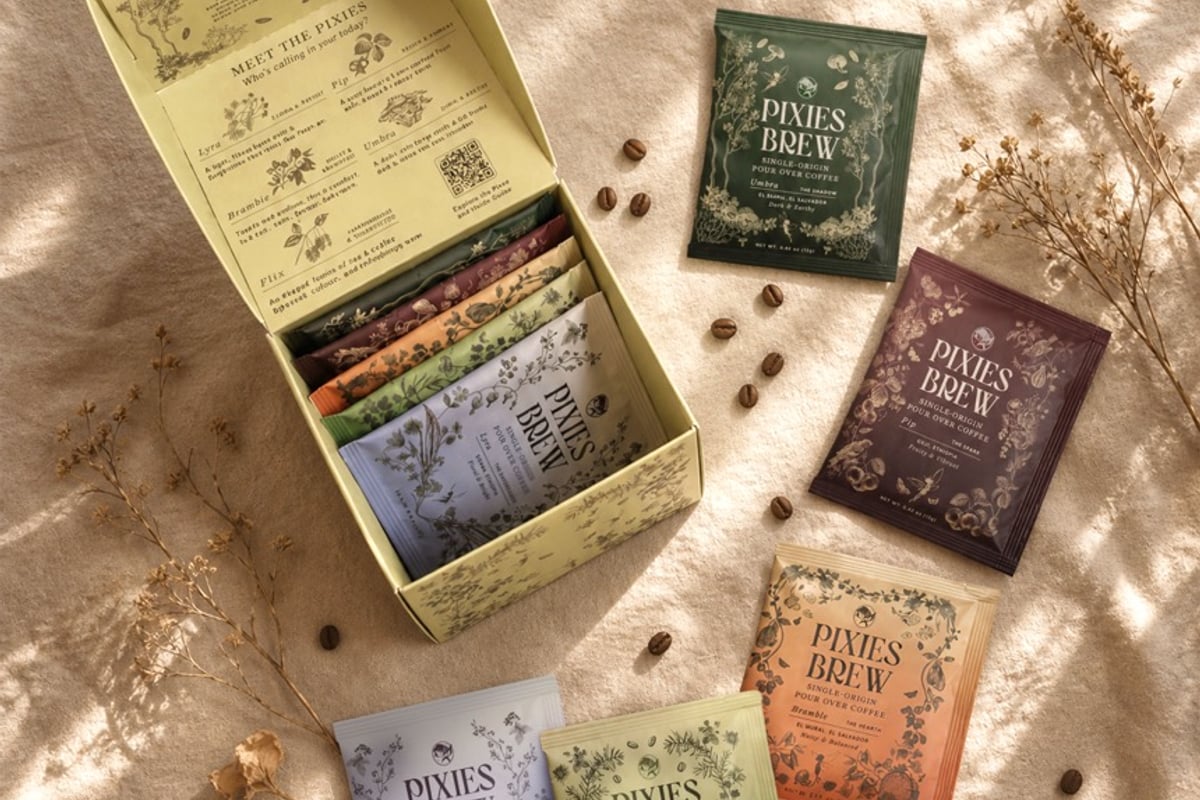
The Pixies Brew Discovery Set uses both nitrogen flushing and individual sachets to maintain specialty-grade freshness from roasting to brewing, ensuring each cup tastes as vibrant as the roaster intended.
Brewing Methods That Honor Quality
You've invested in specialty coffee beans. Now extract their potential through brewing that balances variables: water temperature, contact time, grind size, and ratio.
Pour-Over Perfection
Pour-over methods give you control over every variable. Heat water to 195-205°F, wet grounds to bloom, then pour in concentric circles, maintaining consistent flow. The result: clean cups that showcase origin characteristics without muddiness.
For travelers and those seeking simplicity without sacrificing quality, specialty sachets designed for pour-over brewing eliminate the need for equipment while maintaining the ritual's intentionality. You still control water temperature and pour technique, but the grind size and portioning come pre-optimized.
The Water You Use Matters
Specialty coffee beans deserve quality water. Chlorinated tap water introduces off-flavors. Distilled water lacks minerals that aid extraction. The ideal brewing water contains 50-175 mg/L total dissolved solids, with balanced calcium and magnesium.
If you're unsure about your water quality, filtered water from a carbon filter removes chlorine while preserving beneficial minerals. This simple change often reveals flavors you didn't know your coffee contained.
The Economics and Ethics of Specialty Coffee
When you pay more for specialty coffee beans, where does that money go? Specialty coffee's direct trade and relationship models attempt to ensure farmers receive fair compensation for quality.
Breaking Down the Price
Traditional commodity coffee trades on the C-market, where prices fluctuate based on futures trading regardless of quality. Farmers receive minimal premiums for exceptional work. Specialty coffee operates differently:
- Direct trade: Roasters work directly with farms or cooperatives
- Quality premiums: Higher scores command higher prices per pound
- Relationship pricing: Multi-year commitments provide farmer stability
- Transparency: Some roasters publish exactly what they pay farmers
According to research on coffee value chains, specialty pricing models better reflect the actual work of producing exceptional coffee. A farmer who invests in selective picking, controlled fermentation, and careful drying deserves compensation that commodity pricing can't provide.
Environmental Considerations
Specialty farms often employ sustainable practices. Shade-grown coffee preserves forest canopy that provides bird habitat. Organic certification eliminates synthetic pesticides. Water recycling systems reduce processing waste.
When you choose specialty coffee beans, you're often supporting environmental stewardship along with quality. Many specialty farms operate at scales that allow ecological sensitivity impossible in industrial commodity production.
How to Start Your Specialty Coffee Journey
Ready to explore beyond supermarket brands? The specialty coffee world welcomes newcomers with resources designed to build understanding and appreciation.
Finding Your Flavor Profile
Start by sampling different origins and processing methods. Try a washed Ethiopian coffee one morning, a natural Colombian the next. Notice which flavors appeal to you. Do you prefer bright acidity or mellow smoothness? Fruity notes or chocolate undertones?
Resources like CoffeeDB and RoastDB help you explore roasters and their current offerings, filtering by origin, process, and taste notes. You'll discover that specialty coffee beans offer enough variety to match any preference.
Building Your Tasting Vocabulary
Professional tasters use standardized language to describe coffee, but you don't need certification to appreciate quality. Start simply:
- Acidity: Does the coffee brighten your palate or sit flat?
- Body: Is it light like tea or heavy like cream?
- Sweetness: Do you taste natural sugars or bitterness?
- Finish: What lingers after you swallow?
Publications like Roast Magazine offer deeper dives into sensory science and cupping protocols if you want to develop more sophisticated tasting skills.
Common Questions About Specialty Coffee Beans
What's the difference between specialty and gourmet coffee?
"Gourmet" is a marketing term with no standardized definition. Any coffee can be labeled gourmet. "Specialty" refers specifically to beans scoring 80+ points using SCA protocols, verified by certified graders. It's a measurable quality standard, not marketing language.
Are specialty coffee beans worth the higher price?
If you value flavor complexity, ethical sourcing, and the craft behind your cup, yes. You're paying for superior beans, better farmer compensation, fresher roasting, and the expertise to highlight origin characteristics. The price difference per cup is often less than a dollar compared to commodity coffee.
How long do specialty coffee beans stay fresh?
Whole beans maintain peak flavor for 2-4 weeks after roasting if stored properly. Ground coffee degrades within days. Nitrogen-flushed, sealed packaging can extend freshness significantly. Always check roast dates and consume within recommended windows.
Can I make specialty coffee without expensive equipment?
Absolutely. While espresso machines and precision grinders enhance extraction, simple pour-over methods with quality beans produce excellent results. Pre-ground specialty coffee beans in nitrogen-flushed sachets eliminate the need for grinders while maintaining freshness and convenience.
Do dark roasts use lower quality beans?
Not necessarily. Some specialty roasters create dark roast profiles that balance roast development with origin character. However, extremely dark roasts can mask defects, which is why commodity coffee often goes very dark. Specialty dark roasts should still show origin characteristics beneath roast sweetness.
The Future of Specialty Coffee
As we move through 2026, the specialty coffee industry continues evolving. Climate change threatens traditional growing regions, pushing farms to higher altitudes or different latitudes. Innovations in processing create new flavor profiles. Consumer education grows, creating demand for transparency and quality.
Machine learning algorithms now help predict coffee quality based on sensory descriptions and attributes, as shown in recent research on coffee rating prediction. These tools assist roasters in quality control while maintaining the human expertise that defines specialty standards.
The rise of convenient specialty options bridges the gap between quality and busy lifestyles. You shouldn't have to choose between exceptional coffee and practical brewing. Nitrogen-flushed sachets, pour-over systems, and FAQ-supported products make specialty accessible to those who lack time for elaborate brewing rituals but refuse to compromise on quality.
Sustainability Challenges and Solutions
The specialty coffee community grapples with sustainability questions. How do we ensure farmers earn living wages? How do we reduce shipping carbon footprints? How do we eliminate packaging waste while maintaining freshness?
Some roasters experiment with compostable packaging. Others invest in carbon offset programs. Direct trade relationships attempt to keep more money in farming communities. These aren't perfect solutions, but they represent conscious efforts to align coffee quality with ethical practice.
Specialty Coffee in Daily Ritual
The true value of specialty coffee beans isn't just in the cup. It's in the pause they create. In a world of endless acceleration, the ritual of brewing quality coffee offers permission to slow down.
Tear open your packet. Smell the grounds. Heat water to the right temperature, not just "hot enough." Pour with intention. Watch the bloom. Wait. This isn't wasted time. It's claimed time, a deliberate moment in a day full of obligations and distractions.
The coffee you brew might come from Ethiopia, where farmers hand-picked cherries at dawn. It might have been processed carefully, sorted meticulously, roasted in small batches by someone who knows these beans personally. That chain of human care and expertise connects you to a global community of coffee craftspeople.
When you understand what makes specialty coffee beans special, the quality scoring, the origin characteristics, the processing methods, the freshness considerations, you're not just learning about coffee. You're learning to appreciate craft, to notice nuance, to value the work behind simple pleasures.
Specialty coffee beans transform daily routine into intentional ritual, connecting you to origins, farmers, and flavors that commercial coffee never reveals. The knowledge of quality standards, processing methods, and regional characteristics deepens every cup you brew. If you're ready to experience specialty-grade coffee without the complexity of traditional brewing, Pixies Brew offers nitrogen-flushed sachets designed for pour-over simplicity, delivering exceptional beans in formats that honor both quality and your busy life. Each packet brings specialty coffee's magic into reach, one intentional pour at a time.
