


What Is Specialty Coffee? A Guide to Quality & Craft
The morning light filters through your kitchen window, casting gentle shadows across the counter where your coffee ritual awaits. But not all coffee is created equal. What is specialty coffee changes the entire conversation, transforming a simple morning habit into an experience of intention, quality, and connection. At its core, specialty coffee represents the top tier of the coffee world, scored 80 points or above on a 100-point scale by certified Q Graders, free from defects, and traceable to its origin. It's coffee that tells a story, from the farmer's careful cultivation to your first sip, each cup a testament to craft and care.
The Foundation: Understanding Specialty Coffee Standards
When coffee professionals ask what is specialty coffee, they're referring to a precise classification system that separates exceptional beans from commodity-grade offerings. The Specialty Coffee Association defines these standards through a holistic approach that considers not just the final cup, but the entire journey from seed to brew.
The Scoring System That Defines Quality
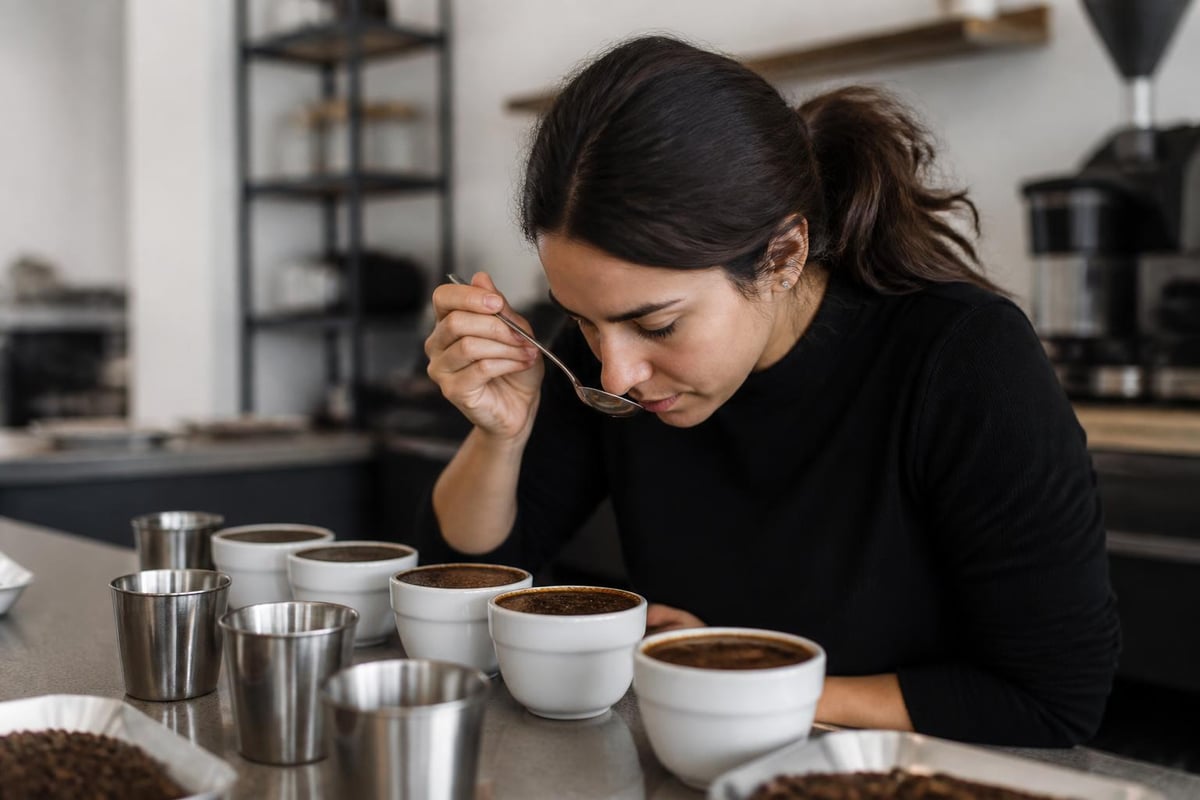
Certified Q Graders evaluate coffee beans across multiple sensory attributes:
- Aroma: The fragrance of dry grounds and the scent of brewed coffee
- Flavor: The primary taste characteristics and their intensity
- Aftertaste: The lingering flavors that remain on the palate
- Acidity: The bright, pleasant tartness that adds dimension
- Body: The weight and texture of the coffee in your mouth
- Balance: How harmoniously all elements work together
- Sweetness: The natural sugars developed during growth and roasting
- Clean Cup: Freedom from off-flavors or defects
- Uniformity: Consistency across multiple cups from the same batch
- Overall: The grader's holistic impression
Each category contributes to the final score, and only beans achieving 80 points or higher earn the specialty designation.
The Quality Pyramid
The coffee grading pyramid illustrates where specialty coffee sits in relation to other grades. At the base, commodity coffee makes up the bulk of global production, beans destined for mass-market blends with no origin distinction. The middle tier holds premium coffee, better than commodity but lacking the excellence required for specialty status.
The apex belongs to specialty coffee, representing approximately 10% of global production. These are the beans that farmers have nurtured with exceptional care, processed with precision, and handled with reverence throughout the supply chain.
| Coffee Grade | Score Range | Characteristics | Market Share |
|---|---|---|---|
| Specialty | 80-100 points | Zero defects, distinct origin, exceptional flavor | ~10% |
| Premium | 70-79 points | Good quality, minimal defects, decent flavor | ~20% |
| Commodity | Below 70 | Inconsistent quality, blended origins | ~70% |
Beyond Numbers: The Sensory Experience
Understanding what is specialty coffee requires more than memorizing scores. It demands engaging all five senses in the ritual of preparation and consumption.
Sight begins the experience. Specialty coffee beans exhibit uniformity in size and color, free from the chips, breaks, and discoloration that plague lower grades. When ground, the particles should appear consistent, each fragment carrying the potential for flavor extraction.
The aroma tells volumes before the first sip. Freshly ground specialty coffee releases complex fragrance notes, from floral jasmine to rich chocolate, citrus brightness to caramelized sugar. These aren't added flavors but natural aromatics developed during growing and roasting.
Touch matters more than many realize. The oils on freshly roasted specialty beans create a slight sheen without excessive greasiness. When brewing, the bloom of coffee grounds expanding as hot water releases trapped gases, that's quality responding to heat.
Flavor Clarity and Origin Transparency
What is specialty coffee if not a direct connection to place? Each origin carries distinct characteristics shaped by altitude, soil composition, climate, and processing method. Ethiopian coffees often present bright, floral, and fruity notes. Colombian beans might offer caramel sweetness and balanced acidity. Salvadoran coffees can showcase chocolate depth with citrus brightness.
This origin transparency matters. When you know your coffee comes from the Sidama region of Ethiopia or the highlands of El Salvador, you're not just drinking coffee, you're tasting terroir, the unique expression of a specific place and time.
The Journey from Farm to Cup
Specialty coffee begins long before brewing. It starts with variety selection, farmers choosing cultivars known for exceptional flavor potential. Arabica species dominate specialty coffee, with heirloom varieties and carefully developed hybrids offering distinct profiles.
Cultivation practices separate specialty from commodity. Farmers managing specialty crops often:
- Grow coffee at higher altitudes where cooler temperatures slow cherry maturation, concentrating sugars and complexity
- Provide adequate shade, protecting plants and encouraging biodiversity
- Harvest selectively, picking only ripe cherries at peak flavor
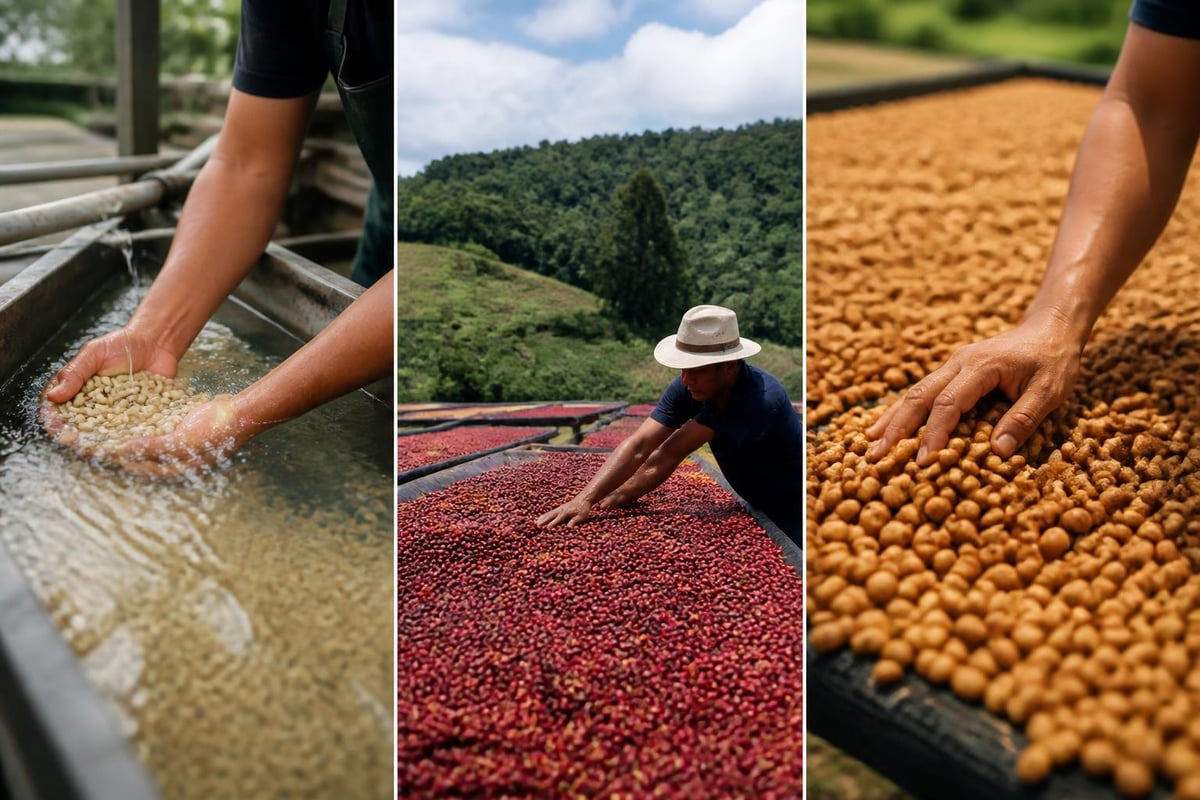
- Process beans with precision, whether washed, natural, or honey-processed
- Dry coffee carefully, protecting it from contamination and over-fermentation
Processing Methods and Their Impact
The way coffee cherries transform into green beans profoundly affects the final cup. Washed processing produces clean, bright coffees with pronounced acidity. Natural processing, where cherries dry intact around the bean, creates fruit-forward, wine-like characteristics. Honey processing sits between these methods, removing some fruit while leaving mucilage attached during drying.
Each method demands attention and care. Mistakes during processing, over-fermentation, contamination, mold development, create defects that disqualify beans from specialty status.
The Reality of Specialty Coffee in 2026
The specialty coffee landscape continues evolving. Recent industry analysis reveals significant challenges, including record-high green coffee prices driven by climate impacts on major producing regions and an identity crisis as younger consumers question traditional specialty coffee narratives.
Yet these challenges push the industry toward greater transparency and authenticity. Consumers increasingly value direct trade relationships, sustainability certifications, and honest storytelling over marketing hype.
Home Brewing Revolution
The surge in home coffee consumption reflects changing priorities. More people invest in quality brewing equipment and specialty beans, creating café-quality experiences in their own kitchens. This shift democratizes specialty coffee, making exceptional quality accessible beyond urban coffee shops.
For those seeking convenience without compromising quality, innovative solutions bridge the gap between whole bean brewing and instant coffee. Specialty coffee sachets, when crafted with care, deliver exceptional beans in formats designed for modern life, maintaining the integrity of premium coffee while simplifying preparation.
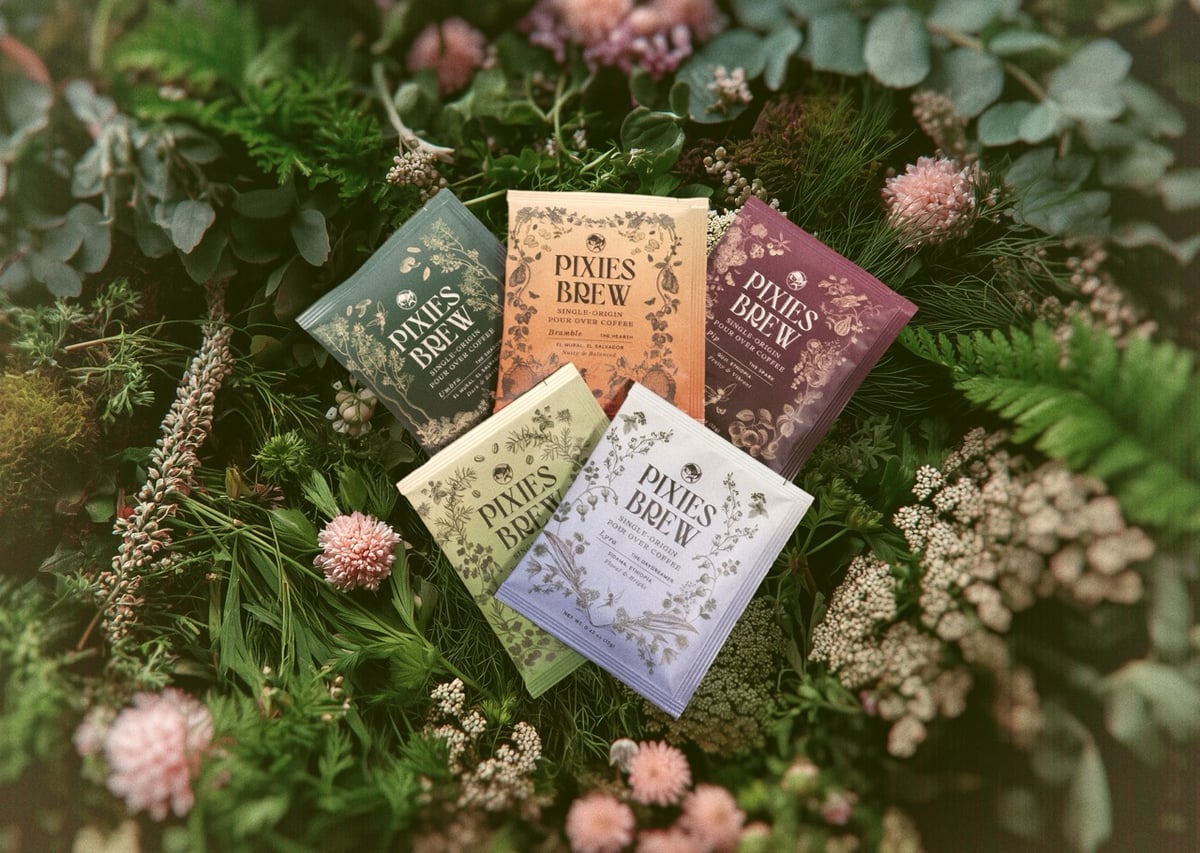
If you're ready to explore specialty coffee with the ease of single-serve convenience, Pixies Brew Variety Box: The Discovery Set offers carefully curated sachets featuring distinct origins and flavor profiles, each one a doorway into different terroirs and traditions.
Tasting Specialty Coffee: Developing Your Palate
Understanding what is specialty coffee intellectually differs from experiencing it sensorially. Developing your palate requires intention and practice, but the journey rewards with deeper appreciation.
Start with comparison. Brew specialty coffee alongside commodity coffee, noting differences in aroma complexity, flavor clarity, and aftertaste length. The contrast illuminates what sets specialty apart.
Engage descriptive language. Coffee professionals use flavor wheels mapping hundreds of taste descriptors, from berries and stone fruits to spices and florals. You don't need to identify every note, but attempting description sharpens perception.
Consider mouthfeel. Beyond flavor, notice how coffee feels. Does it coat your palate with silky body or wash cleanly across your tongue? Is the texture creamy, tea-like, or somewhere between?
The Role of Fresh Roasting
Specialty coffee reveals its full potential within weeks of roasting. Green coffee can remain stable for months when stored properly, but roasted beans begin degrading immediately, losing aromatic compounds and developing stale flavors.
Look for roast dates, not just "best by" dates. Coffee reaches peak flavor 7-14 days after roasting, as trapped CO2 dissipates and flavors stabilize. Most specialty roasters package coffee within days of roasting, ensuring freshness at purchase.
Ethical Considerations and Sustainability
What is specialty coffee without the people who grow it? The movement increasingly emphasizes fair compensation and sustainable practices. While "specialty" doesn't automatically mean "ethical," the two concepts increasingly overlap as consumers demand transparency.
Direct trade relationships connect roasters directly with farmers, often paying significantly above fair trade minimums. These partnerships foster quality improvement, as farmers receive feedback and financial incentive to invest in better practices.
Sustainability certifications like Rainforest Alliance, Organic, and Bird Friendly indicate environmental stewardship, though the proliferation of certifications can confuse consumers. The most meaningful standards emphasize both quality and ethics, recognizing that exceptional coffee rarely comes from exploited land or labor.
Cultural Movements Shaping Specialty Coffee
Coffee culture remains vibrant and evolving. The influence of Yemeni coffee traditions on American specialty coffee demonstrates how cultural exchange enriches the broader movement, introducing new preparation methods and social contexts.
Third-wave coffee culture, which birthed modern specialty coffee consciousness, emphasized coffee as artisanal product rather than commodity. We're now seeing a fourth wave emerging, one that balances craft with accessibility, maintains quality while questioning elitism, and celebrates both tradition and innovation.
The Home Ritual
Specialty coffee at home needn't require expensive equipment or barista training. The ritual can be as simple or elaborate as you choose. What matters is intention: using quality beans, proper water temperature, appropriate grind size, and giving the process your full attention.
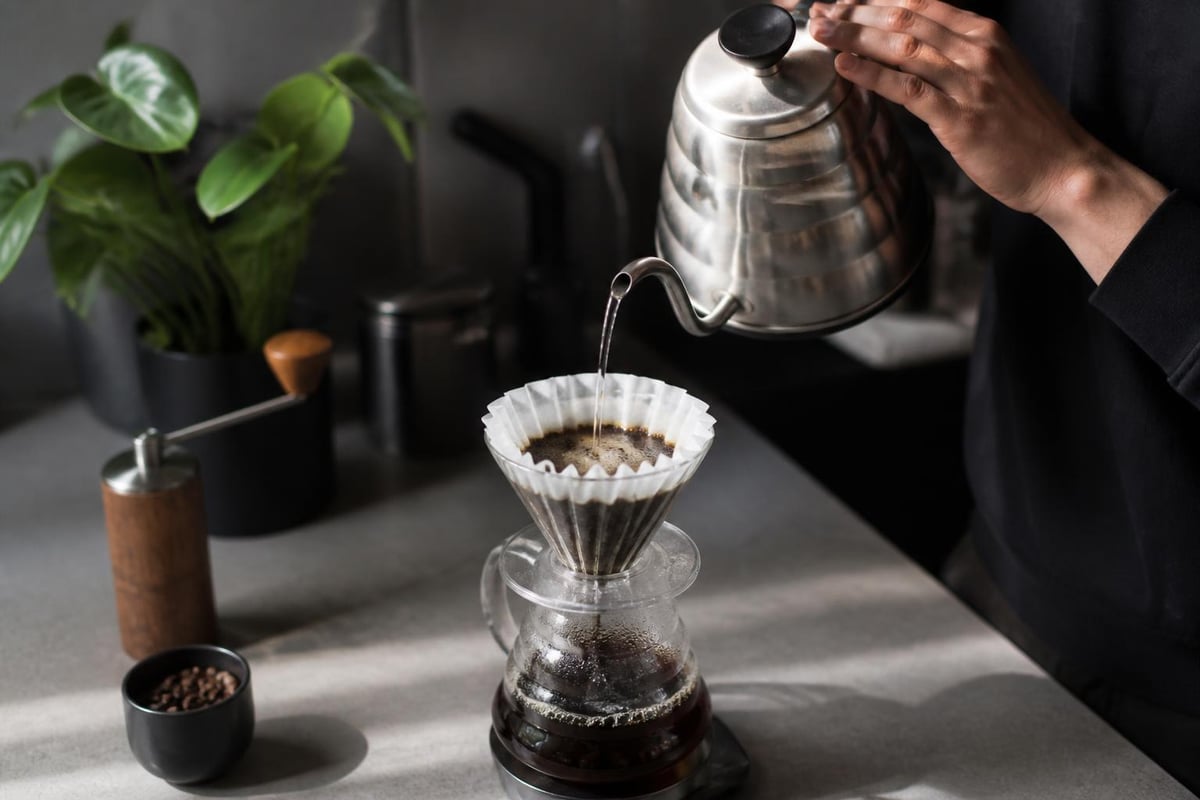
Whether you're brewing with a single-serve coffee maker, a pourover setup, or a French press, the principles remain consistent. Start with great beans, use fresh water just off the boil, maintain proper coffee-to-water ratios, and give the coffee time to extract.
Frequently Asked Questions
What score qualifies coffee as specialty?
Coffee must score 80 points or higher on a 100-point scale as evaluated by certified Q Graders to earn specialty classification.
Is specialty coffee stronger than regular coffee?
Strength refers to coffee-to-water ratio, not quality grade. Specialty coffee often tastes more intense due to higher quality beans and fresher roasting, but you control strength through brewing parameters.
Does specialty coffee have more caffeine?
Caffeine content depends primarily on coffee variety and roast level, not quality grade. Specialty coffee typically uses Arabica beans, which contain less caffeine than Robusta, the species common in commodity coffee.
How long does specialty coffee stay fresh?
Whole bean specialty coffee maintains peak flavor 2-4 weeks after roasting when stored properly. Ground coffee degrades faster, losing optimal flavor within days. Store in airtight containers away from light, heat, and moisture.
Can you make specialty coffee at home?
Absolutely. Specialty refers to bean quality, not preparation location. With proper beans and basic brewing knowledge, you can create café-quality specialty coffee in your kitchen. Many luxury coffee brands now cater specifically to home brewers seeking exceptional quality.
Recognizing Quality in Your Cup
Now that you understand what is specialty coffee from a technical standpoint, how do you recognize it experientially? Several indicators emerge consistently in quality coffee.
Complexity separates specialty from commodity. Rather than tasting simply "coffee-flavored," specialty coffee reveals layers, an initial burst of brightness giving way to chocolate notes, finishing with lingering sweetness and fruit. The flavor evolves as the coffee cools, each temperature revealing different characteristics.
Clarity means flavors present distinctly rather than muddied together. You might taste specific fruits like blueberry or peach rather than generic "berries." You detect particular spices like cinnamon or cardamom rather than indistinct "spice notes."
Sweetness emerges from the coffee itself, not added sugar. Natural sugars developed during cherry growth and caramelized during roasting create inherent sweetness that balances acidity and bitterness.
| Quality Indicator | Specialty Coffee | Commodity Coffee |
|---|---|---|
| Flavor Profile | Complex, layered, evolving | One-dimensional, flat |
| Aftertaste | Long, pleasant, clean | Short, sometimes bitter |
| Body | Varied by origin and roast | Usually thin or harsh |
| Aroma | Distinct, inviting, complex | Generic, sometimes stale |
| Consistency | Cup to cup uniformity | Batch variation common |
The Intersection of Craft and Convenience
Understanding what specialty coffee truly means transforms how you approach your daily brew. It's not about coffee snobbery but appreciating craft, understanding value, and connecting with the people and places behind your cup.
The tension between quality and convenience continues resolving through innovation. Specialty coffee once required visiting dedicated cafés or investing in elaborate home setups. Now, thoughtful products deliver exceptional beans in accessible formats, maintaining specialty coffee standards while adapting to contemporary lifestyles.
The key is finding what works for your rhythm without sacrificing what matters: bean quality, freshness, and the moment of pause that transforms coffee from fuel into ritual. Whether you grind whole beans each morning, use a specialty pourover system, or rely on carefully crafted single-serve options, prioritizing quality elevates the entire experience.
Making Specialty Coffee Part of Your Life
The specialty coffee movement invites participation at any level. You needn't become a certified Q Grader or invest thousands in equipment. Start by seeking quality beans from transparent sources, pay attention to roast dates, and experiment with different origins and processing methods.
Notice what you enjoy. Do bright, fruity Ethiopian coffees excite your palate, or do you prefer the chocolate richness of Brazilian beans? Does a light roast highlighting origin characteristics appeal more than darker roasts emphasizing roast development? There's no wrong answer, only your preferences.
Develop rituals that matter to you. Perhaps it's the weekend luxury of a slow pourover, sunlight streaming across your counter as you watch the bloom. Maybe it's the weekday efficiency of perfectly portioned sachets, quality meeting practicality. The ritual's form matters less than the intention you bring to it.
Share the experience. Specialty coffee opens conversations about place, process, and the people behind the beans. Sharing exceptional coffee with others, whether gifting carefully selected beans or inviting friends into your brewing ritual, extends the joy beyond personal consumption.
Your Specialty Coffee Journey Begins
What is specialty coffee ultimately becomes personal. It's the technical designation that ensures quality. It's the sensory experience that delights your palate. It's the connection to people and places thousands of miles away. It's the ritual that transforms ordinary mornings into something approaching magic.
As you explore specialty coffee, trust your developing palate while remaining open to new experiences. The coffee world is vast, with seemingly endless origins, varieties, processing methods, and roast profiles to discover. Each cup offers opportunity for learning, for presence, for the simple pleasure of something done well.
Specialty coffee represents more than a quality grade-it's an invitation to slow down, pay attention, and honor the craft that connects farm to cup. Whether you're drawn to the complexity of different origins, the ritual of careful preparation, or simply the pleasure of an exceptional morning brew, Pixies Brew offers specialty coffee crafted for modern life. Each delicate sachet contains carefully sourced beans, roasted to reveal their unique character, ready to transform your daily pause into a moment of genuine connection and flavor. Explore what specialty coffee means for you, one intentional cup at a time.
