


Best Camping French Press: Choosing Your Trail Companion
The best camping french press isn't just a piece of gear. It's the bridge between the wilderness and that first perfect cup of coffee that makes the morning cold bearable, the sunrise more vivid, and the day ahead feel conquerable. Whether you're backpacking through alpine meadows or car camping by a lake, the right french press transforms coffee from a necessity into a ritual, a moment of grounding before the day's adventure begins.
Why French Press Coffee Matters in the Backcountry
There's something honest about french press coffee. No paper filters softening the edges, no electric hum breaking the morning silence. Just grounds, hot water, time, and pressure. In the backcountry, this simplicity becomes sacred.
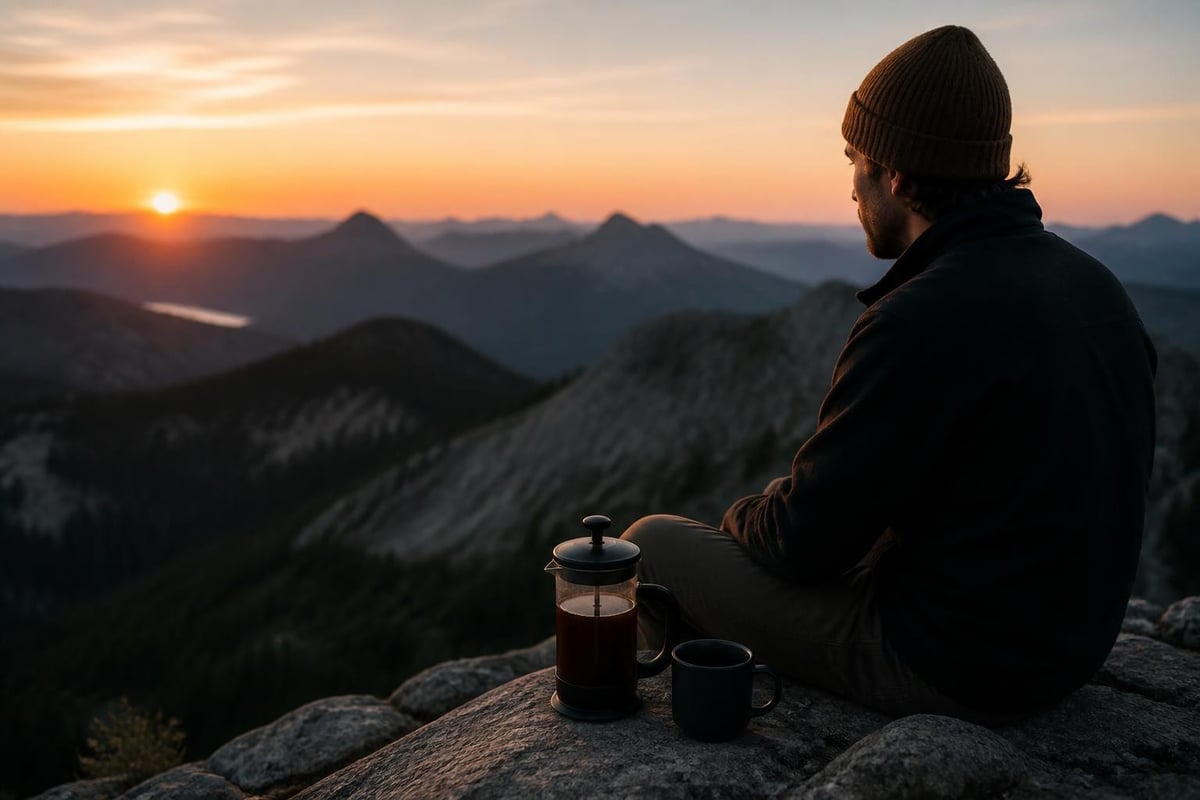
The immersion brewing method of a french press extracts oils and subtle flavor compounds that other methods leave behind. You taste the coffee's full body, its complete story. When you're miles from civilization, perched on a granite outcrop watching fog lift from a valley, that richness matters. It's not just caffeine. It's connection.
The Ritual of Slow Mornings on the Trail
Camp mornings have their own rhythm. The zipper of your tent breaking the silence. Cold air on your face. Hands fumbling with a stove, water beginning its slow climb toward a boil. A french press fits this pace perfectly. While the water heats, you measure grounds. While the coffee steeps, you watch the world wake up. Four minutes of patience rewarded with warmth in your hands and clarity in your cup.
This is where coffee becomes more than a drink. It becomes the pause that lets you notice the bird call you almost missed, the way light catches on dew, the particular quality of quiet that only exists before the day truly starts.
Material Matters: Durability Meets Function
When choosing the best camping french press, material isn't just about aesthetics. It's about whether your press survives the journey and whether your coffee stays hot long enough to enjoy it.
Stainless Steel: The Workhorse
Stainless steel dominates the camping coffee world for good reason. It's nearly indestructible, doesn't absorb odors or flavors, and provides decent insulation. A double-walled stainless press keeps coffee warm for 30-45 minutes, which matters when you're savoring that cup while breaking down camp.
The weight trade-off is real. A quality stainless french press typically weighs 12-16 ounces empty. For car campers, this is nothing. For backpackers counting every ounce, it requires consideration.
Borosilicate Glass: The Purist's Choice
Some campers swear by borosilicate glass for its thermal shock resistance and flavor neutrality. Glass doesn't retain oils from previous brews, giving you a clean slate each morning. However, choosing a french press for camping requires honest assessment of your camping style. Glass and rocky terrain don't always coexist peacefully.
If you prioritize taste purity and camp carefully, certain protected glass presses work beautifully. But one tumble from a picnic table can end your coffee season early.
Titanium and Polycarbonate: The Ultralight Options
Titanium represents the apex of lightweight durability. A titanium press might weigh just 6-8 ounces while maintaining impressive strength. The cost reflects this engineering, but for serious backpackers, every ounce saved is a mile gained.
Polycarbonate presses offer another lightweight solution at a gentler price point. Modern food-grade polycarbonates withstand heat and impact well, though they may show wear faster than metal alternatives.
Size and Capacity: Matching Press to Purpose
| Capacity | Best For | Typical Weight | Brew Time |
|---|---|---|---|
| 12 oz (1 cup) | Solo backpacking | 6-10 oz | 3-4 min |
| 20 oz (2-3 cups) | Couples, short trips | 10-14 oz | 4-5 min |
| 32 oz (4 cups) | Groups, car camping | 14-20 oz | 5-6 min |
| 48+ oz (6+ cups) | Base camp, large groups | 20-28 oz | 6-7 min |
The best camping french press size depends less on how much coffee you drink and more on how you camp. Solo fastpackers prioritize the smallest functional size. Weekend warriors with a partner might step up to 20 ounces. Car campers supporting a group of friends need that 48-ounce capacity.
Consider your water source, too. Larger presses require more water per brew, which matters when you're purifying from a stream or melting snow.
The Sweet Spot for Versatility
Most experienced campers land on the 20-ounce range as the best camping french press size for versatility. It's enough for two generous cups or one large mug with room for a second smaller pour. The weight stays manageable for backpacking but provides flexibility for sharing.
Essential Features Beyond the Basic Brew
Mesh Filter Quality
The plunger mechanism separates adequate presses from exceptional ones. Look for double or triple mesh filters that catch fine grounds without requiring excessive pressure. Stainless steel mesh lasts longer than nylon and maintains tension better over time.
A quality filter means less sediment in your cup and easier cleaning on the trail. When selecting camping brewing equipment, test the plunger's resistance. It should move smoothly but with enough friction to indicate good seal contact.
Insulation Properties
Double-walled construction maintains temperature dramatically better than single-wall designs. On a 40-degree morning, the difference between coffee that stays hot for 15 minutes versus 45 minutes changes the entire experience.
Some premium camping presses now feature vacuum insulation similar to quality thermoses. This technology keeps coffee hot for over an hour, letting you brew once and sip slowly while you watch the sunrise fully unfold.
Packability and Protection
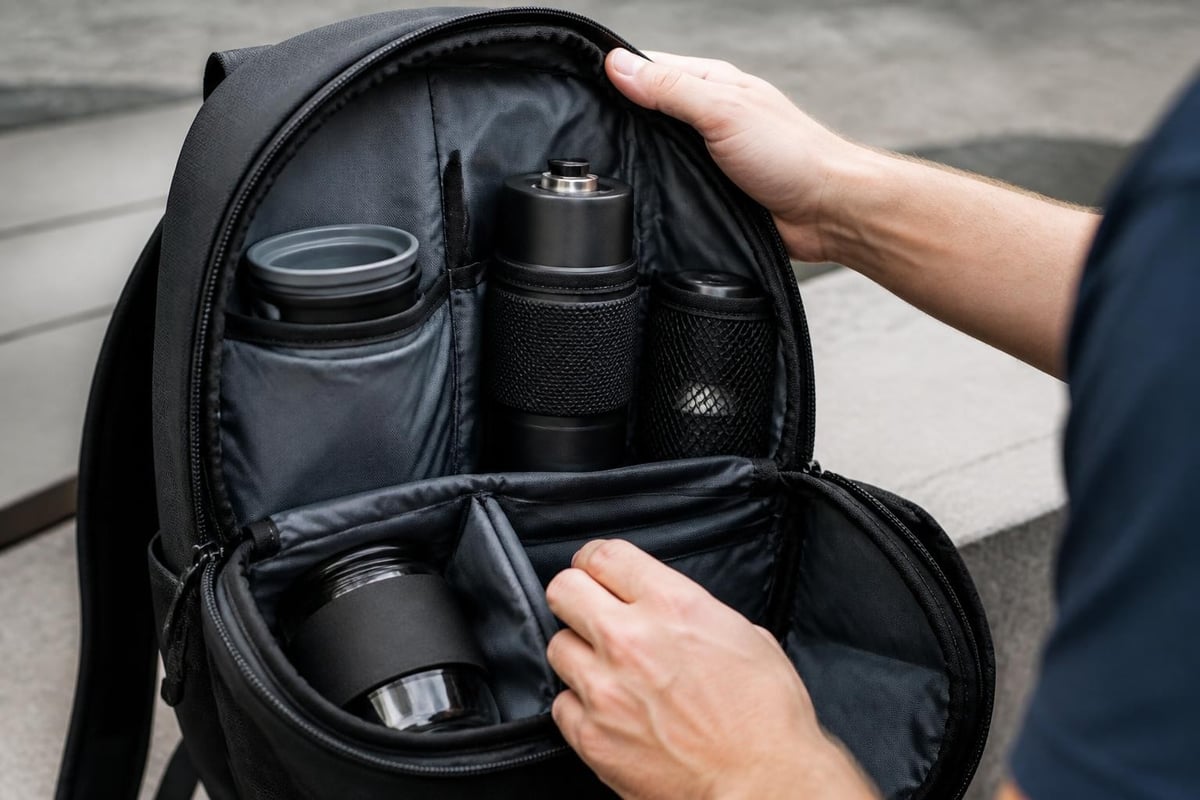
The best camping french press considers how it travels. Does the plunger nest inside? Can you pack other items within the press body to save space? Does it include a protective sleeve or carrying case?
Brewing Technique: Adapting to Altitude and Conditions
Elevation changes everything about cooking, including coffee. Water boils at lower temperatures as you climb. At sea level, water boils at 212°F. At 5,000 feet, it boils at 203°F. At 10,000 feet, just 194°F.
Lower boiling temperatures mean longer extraction times for proper flavor development. Add 30-60 seconds to your steep time for every 2,500 feet above sea level. Your four-minute sea-level brew might need five or even six minutes at altitude.
The Cold Morning Preheat
When temperatures drop below freezing, preheat your french press before brewing. Pour a small amount of hot water into the empty press, swirl it around the walls, then discard. This prevents thermal shock and keeps your brew temperature more stable during steeping.
For specialty coffee enthusiasts, this step preserves the delicate flavor compounds that might otherwise get muted by temperature fluctuations.
Grind Size in the Field
Ideally, you grind beans fresh before each trip. Coarse grinds work best for french press, reducing sediment and preventing over-extraction. If you're grinding at home before a multi-day trip, store pre-measured portions in airtight bags to maintain freshness.
Some ultralight campers skip the grinder entirely and use pre-ground coffee or, better yet, innovative single-serve options that eliminate grinding gear completely while maintaining quality.
Top Camping French Press Options for 2026
Compact Travel Companions
For solo backpackers seeking the best camping french press without sacrificing pack space, models in the 12-16 ounce range dominate. These typically weigh under 10 ounces and nest efficiently with other cook gear.
Mid-Range Versatility
The 20-32 ounce category offers the broadest selection. Reviews of camping french presses consistently highlight models in this range for balancing capacity, weight, and durability. Expect prices between $25-60 for quality options.
Premium Investment Pieces
High-end camping presses feature vacuum insulation, titanium construction, and innovative plunger designs. These $60-120 options cater to serious coffee enthusiasts who camp frequently and want equipment that lasts years.
| Feature | Budget ($15-30) | Mid-Range ($30-60) | Premium ($60+) |
|---|---|---|---|
| Material | Single-wall steel/plastic | Double-wall steel | Titanium/vacuum steel |
| Insulation | Minimal (15 min) | Good (30-45 min) | Excellent (60+ min) |
| Filter | Single mesh | Double mesh | Triple mesh/micro-filter |
| Weight | 12-16 oz | 10-14 oz | 6-12 oz |
| Durability | 1-2 seasons | 3-5 seasons | 10+ seasons |
Alternative Approaches: When French Press Isn't the Answer
Honesty matters in gear selection. French presses aren't perfect for every camping scenario. On minimalist backpacking trips where every gram counts, they might feel excessive. During alpine starts when you're stumbling around at 3 AM, the multi-step process might feel burdensome.
This is where thoughtful alternatives enter the conversation. For campers seeking quality coffee with even less gear, pour-over methods offer elegant simplicity. A collapsible dripper weighs mere ounces and produces clean, flavorful coffee.
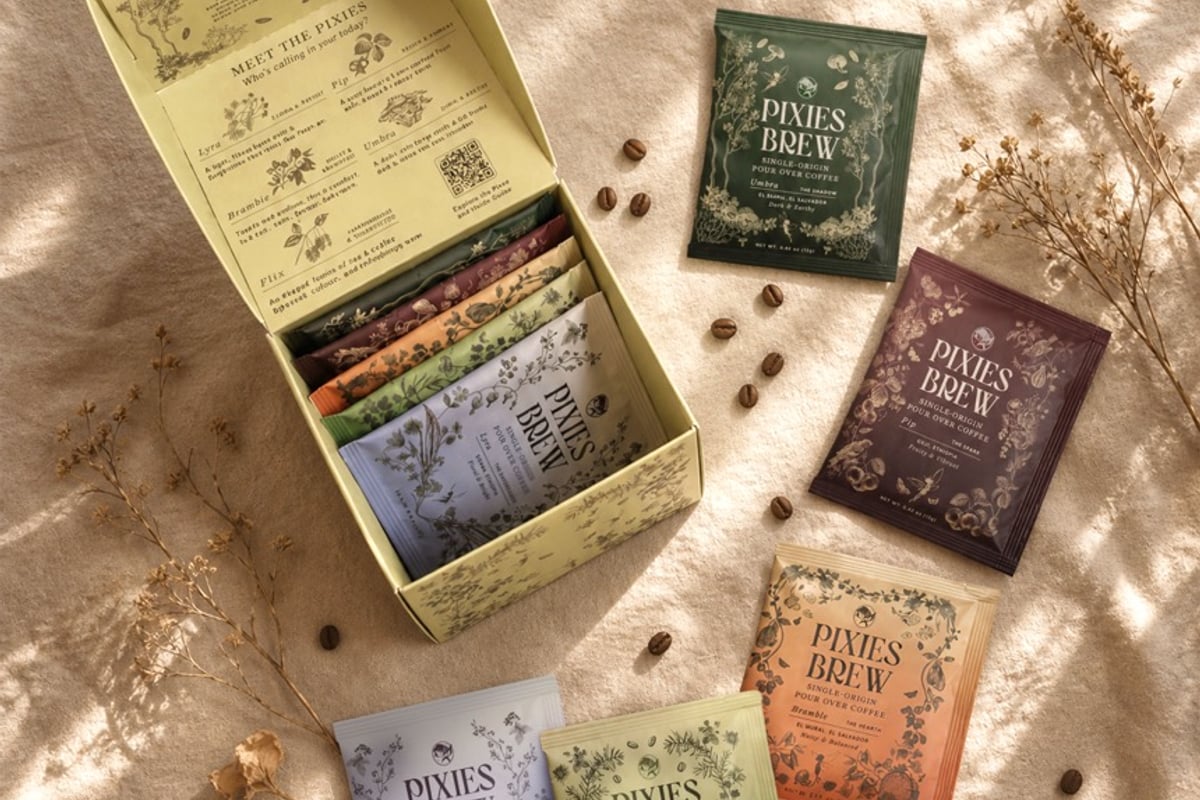
Perfect for slow mornings, travel days, or anywhere you need a moment back to yourself, some coffee solutions require nothing more than a cup and hot water. These nitrogen-flushed, specialty-grade options eliminate brewing equipment entirely while delivering cafe-quality coffee on the trail.
Cleaning and Maintenance in the Wild
The best camping french press means nothing if you can't clean it properly without running water. Residual oils and grounds invite mold and off-flavors, ruining future brews.
The Two-Stage Field Clean
First, dump used grounds well away from camp and water sources. Coffee grounds are organic but acidic and take time to decompose. Scatter them in vegetation at least 200 feet from water.
Second, rinse the press with a small amount of hot water. Swirl vigorously and dump away from camp. For backcountry camping, this water contains coffee oils, so practice Leave No Trace principles.
The Deep Clean Back Home
After every camping trip, disassemble your french press completely. Remove the plunger, separate mesh filters, and wash everything with warm soapy water. Check mesh for tears or looseness. Inspect seals for wear. A little maintenance extends your press's life dramatically.
Guidance on cleaning camping coffee equipment emphasizes that proper care prevents the stale, oily taste that ruins camp coffee for many people.
Pairing Coffee Choice with Your Press
Your press is only half the equation. The coffee you pack matters just as much.
Whole Beans vs. Pre-Ground
Whole beans stay fresher longer but require a grinder. Compact hand grinders designed for camping add 6-12 ounces to your pack but deliver superior flavor. For trips under a week, pre-grinding at home works fine if you store grounds properly.
Light, Medium, or Dark Roast
Personal preference reigns, but consider your brewing environment. Dark roasts produce fuller-bodied coffee that stands up to variable water temperatures and steeping times. Light roasts showcase subtle flavors but demand more precise brewing conditions.
For coffee camping adventures, many campers prefer medium roasts that balance flavor complexity with forgiving brewing requirements.
Specialty-Grade Considerations
Specialty coffee elevates the camping experience but requires respect. High-quality beans with distinct origin characteristics deserve careful brewing. If you're investing in specialty coffee for the trail, invest in a quality french press and precise technique to honor that coffee's potential.
The Sensory Experience: Beyond the Cup
Great coffee in the wilderness engages all five senses in ways that kitchen brewing never quite captures.
Sight: Steam rising against morning light, swirling as it meets cold air. The rich brown of coffee darkening as it steeps.
Sound: Water's rolling boil. The soft press of plunger through grounds. The quiet that returns after, broken only by natural sounds.
Smell: Coffee's aroma mixing with pine, woodsmoke, or alpine air. Each environment adds its own note to the experience.
Touch: Warmth seeping through cup walls into cold hands. The weight of a full mug. The smooth press of the plunger.
Taste: Coffee's bitterness balanced by sweetness, its body coating your tongue, its warmth traveling down your throat. The way the first sip always tastes different from the last.
This sensory richness transforms the best camping french press from equipment into an essential part of the outdoor experience.
Frequently Asked Questions
How much coffee should I use in a camping french press?
Use a 1:15 coffee-to-water ratio as your starting point. For a 20-ounce press, that's roughly 38 grams of coffee (about 6 tablespoons) to 570 grams of water. Adjust based on personal preference and altitude.
Can I use a french press for tea at camp?
Absolutely. French presses work beautifully for loose-leaf tea. Use the same steeping principles but adjust times for your tea variety. Clean thoroughly between coffee and tea to avoid flavor crossover.
How do I prevent my french press from breaking in my pack?
Wrap it in a soft fleece or stuff sack. Pack it in the center of your pack surrounded by soft items like clothing. Consider models with protective silicone sleeves or hard cases for added security.
What's the ideal water temperature for french press coffee?
Aim for 195-205°F, just below boiling. At sea level, let boiled water rest 30 seconds. At altitude, use it immediately after boiling since the lower boiling point already puts you in the ideal range.
How fine should I grind coffee for camping french press?
Use a coarse grind, similar to sea salt texture. Finer grinds lead to over-extraction and excessive sediment. If you're getting too much sediment in your cup, grind coarser next time.
Building Your Morning Coffee Ritual
The best camping french press becomes part of a larger ritual, a sequence of intentional actions that bookend your wilderness experience.
The Night Before
Organize your morning coffee setup before bed. Pre-measure coffee if you're using beans you'll grind fresh. Position your press, cup, and stove where you can reach them from your sleeping bag. Fill your water container so you're not stumbling to a stream in the dark.
The Morning Sequence
- Start water heating first thing
- While water heats, grind beans or prepare grounds
- Preheat press if conditions are cold
- Add grounds when water reaches temperature
- Pour water in circular motion to saturate all grounds
- Set a timer for 4 minutes
- Press slowly and steadily
- Pour immediately to prevent over-extraction
The Afterward
Don't rush the cleanup. Rinse your press while water's still warm. Pack it carefully. Take one more sip, one more look around. This closing to the ritual matters as much as the opening.
Weight Considerations for Different Trip Types
Ultralight Backpacking (Base weight under 10 lbs)
Every ounce screams. Consider whether a 10-ounce french press justifies its space and weight. For ultralight purists, alternative brewing methods or even forgoing fresh coffee for instant might align better with trip philosophy.
Traditional Backpacking (Base weight 15-25 lbs)
A compact french press fits comfortably into this range. The 12-20 ounce models provide quality coffee without dominating your pack weight.
Car Camping and Base Camping
Weight becomes irrelevant. Bring the full 48-ounce press, a proper grinder, fresh beans, and enjoy cafe-quality coffee in the wilderness. This is where the best camping french press can be whichever one produces your favorite cup, regardless of weight.
Sustainability and Leave No Trace
Coffee grounds are biodegradable but don't belong scattered around campsites. Pack out what you can or scatter grounds widely in vegetation, never in concentrated piles. Coffee's acidity can impact soil pH and attract animals.
Some campers now pack out all grounds using ziplock bags. This eliminates any ecological impact and aligns perfectly with Leave No Trace principles. The small inconvenience ensures the wild places we love stay pristine for future visitors.
Choosing durable, long-lasting gear also serves sustainability. A quality french press that lasts ten years beats replacing a cheap one every season. Consider repair options, replacement parts availability, and manufacturer sustainability practices when selecting your press.
Finding the best camping french press connects you more deeply to both your coffee and the landscapes you explore. Whether you choose stainless steel durability, ultralight titanium, or innovative alternatives, what matters most is the ritual you build around that morning cup. When you're ready to lighten your pack even further without sacrificing quality, Pixies Brew offers specialty-grade coffee in portable sachets that need only a cup and hot water, delivering that same moment of pause and reflection with even less gear between you and the wilderness.
