


Best Pre Ground Coffee: A Ritual Worth Savoring
The morning light filters through your window as you reach for that first cup. You're not just looking for caffeine-you're seeking a moment to breathe, to pause, to taste something real. Finding the best pre ground coffee isn't about settling for convenience; it's about discovering quality that fits your life without compromise. In 2026, specialty-grade pre-ground options have evolved far beyond grocery store cans, offering freshness-locked flavor that rivals whole beans when chosen and brewed with care.
What Makes Pre Ground Coffee Worth Your Time
Pre-ground coffee carries a reputation problem, whispered about in coffee circles as the lesser choice. But that story misses something crucial: not everyone has the time, space, or desire for a grinder on their countertop. And when you choose wisely, pre-ground coffee delivers a ritual that's both accessible and exceptional.
The secret lies in understanding what happens after roasting. Coffee begins releasing carbon dioxide and volatile aromatics the moment it's ground. Those compounds-the ones that bloom into jasmine notes or dark chocolate undertones-start fading within minutes of grinding. Traditional pre-ground coffee can sit on shelves for months, which is why so many bags taste flat and papery.
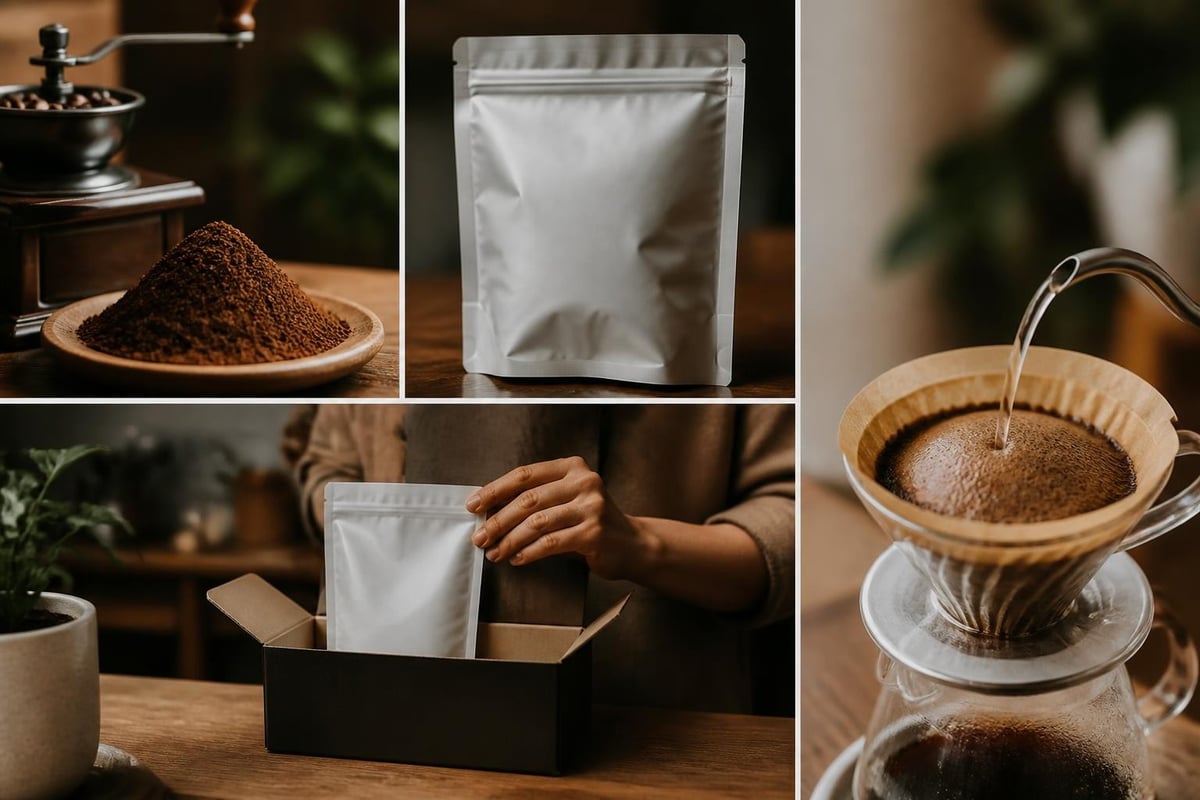
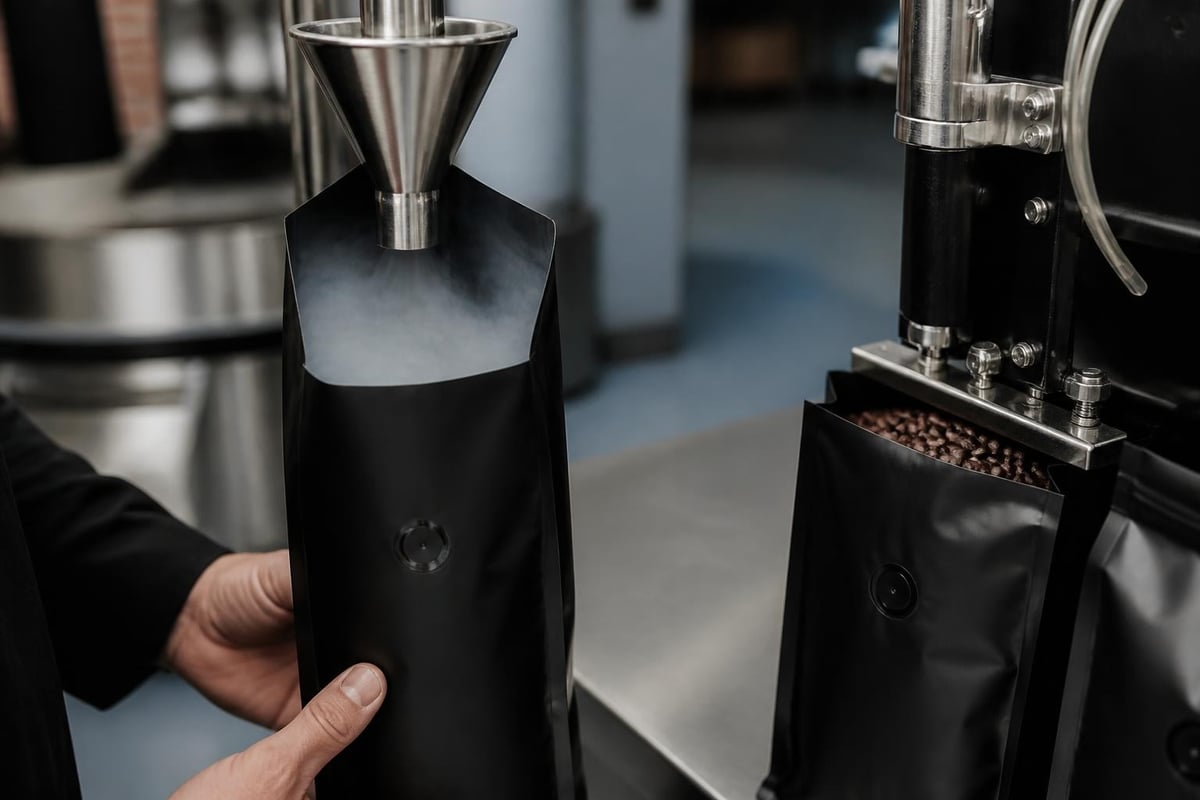
But here's where the story shifts. Modern specialty roasters have cracked the code with nitrogen flushing and individual portion packaging. When coffee is ground fresh, immediately sealed in an oxygen-free environment, and portioned for single use, those delicate aromatics stay locked inside until you're ready to brew. It's the difference between opening a sachet that releases a rush of fragrance and tapping grounds from a bag that's been breathing stale air for weeks.
The Grind Size Question
One challenge with pre-ground coffee is the fixed grind size. You can't adjust it for different brewing methods the way you would with whole beans and a grinder. Using the wrong grind size creates extraction problems-too fine and you'll taste bitterness, too coarse and the result is weak and sour.
This is why matching your pre-ground coffee to your preferred brewing method matters so much. Pour-over needs a medium grind that allows water to flow through at the right pace, extracting sweetness and complexity without pulling harsh tannins. French press wants something coarser. Espresso demands powder-fine grounds.
The best pre ground coffee is optimized for a specific brewing method. When you find that match, you're working with the coffee instead of fighting it.
Understanding Coffee Freshness and Storage
Let me tell you about a morning that changed how I think about coffee storage. I'd left a half-empty bag of grounds on the counter for three days. When I brewed it, the cup tasted like cardboard. Not burnt, not stale exactly-just empty. All those bright notes I'd loved on day one had simply vanished into the air.
Coffee is volatile in the most literal sense. Those aromatic compounds that make coffee smell like heaven? They evaporate. Oxygen oxidizes the oils, turning them rancid. Light breaks down flavor molecules. Heat accelerates everything.
Key factors that degrade pre-ground coffee:
- Oxygen exposure: Causes oxidation and staleness
- Light: Breaks down flavor compounds
- Heat: Speeds up degradation
- Moisture: Creates off-flavors and potential mold
- Time: The silent thief of all the above
The best pre ground coffee options address these enemies directly. Single-serve packaging eliminates the problem of a bag sitting half-full. Nitrogen flushing removes oxygen before sealing. Opaque materials block light. When every element is designed to preserve that just-roasted character, you taste the difference in every cup.
How to Brew Pre Ground Coffee for Maximum Flavor
Common brewing mistakes with pre-ground coffee often stem from treating it like an afterthought. But quality grounds deserve the same attention you'd give to whole beans. The ritual matters.
The Pour-Over Method
Pour-over brewing with pre-ground coffee is where magic happens when you get the details right. The best coffee brewing method for pre-ground coffee often proves to be pour-over because it gives you control over extraction without requiring equipment adjustments.
The pour-over process:
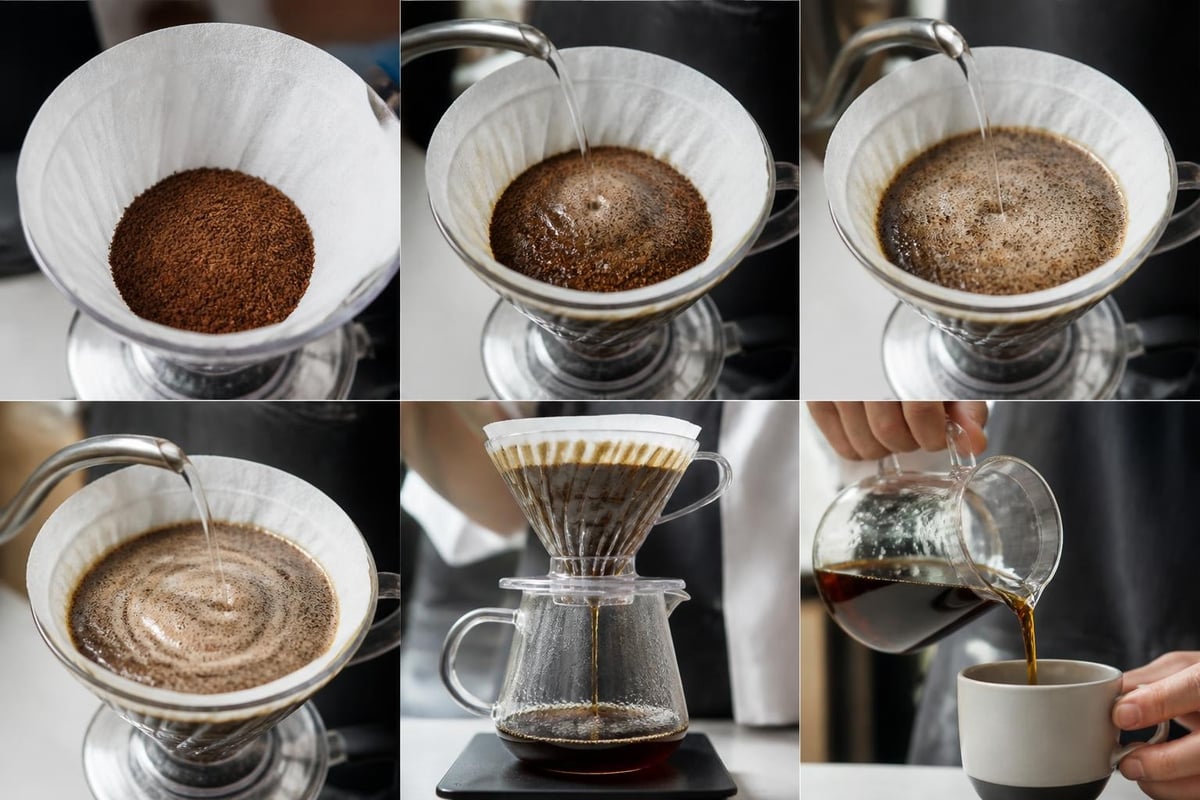
- Heat water to 200-205°F (just off boil)
- Rinse your filter to remove paper taste
- Add your pre-ground coffee (typically 15-18g per cup)
- Bloom for 30-45 seconds with twice the weight of water
- Pour in slow circles until you reach your target volume
- Total brew time: 2.5-3.5 minutes
That bloom step? It's not optional. When hot water first hits the grounds, trapped CO2 releases, creating bubbles and foam. This degassing allows water to access more surface area during the main pour, extracting more evenly and completely. Skip the bloom and you'll get channeling-water finding the path of least resistance and leaving some coffee under-extracted.
The best pre ground coffee for pour-over is exactly what specialty coffee pour-over enthusiasts seek: medium grind, specialty-grade beans, and packaging that preserves those delicate flavor notes until you're ready to brew. When you're traveling or simply want a moment to yourself without the full ritual of grinding, properly packaged sachets deliver that same quality experience.
Water Temperature and Timing
Temperature shapes extraction more than most people realize. Too hot and you'll pull bitter compounds that overwhelm the cup. Too cool and you'll under-extract, leaving acids and sourness without the balancing sweetness.
Between 195°F and 205°F is your sweet spot for most coffee. If you don't have a thermometer, let your kettle cool for 30 seconds after boiling. That simple pause makes a measurable difference.
What to Look for When Choosing Pre Ground Coffee
Not all pre-ground options are created equal. Walking the coffee aisle in 2026, you'll see everything from grocery store cans to specialty sachets. Here's how to separate exceptional from mediocre.
| Quality Indicator | What to Look For | Why It Matters |
|---|---|---|
| Roast Date | Within 2-4 weeks | Freshness is everything |
| Packaging | Nitrogen-flushed, opaque, single-serve | Preserves aromatics |
| Bean Origin | Single-origin or transparent blend | Quality starts at source |
| Roast Level | Clear description matching your preference | Ensures flavor profile fits |
| Grind Size | Specified for your brew method | Proper extraction |
The roast date tells you more than any marketing copy. Fresh ground coffee versus pre-ground becomes a different conversation entirely when that pre-ground coffee was roasted last week versus last year. Look for roasters who put dates prominently on packaging-it's a sign they care about what you're tasting.
Specialty Grade Matters
Coffee grading exists for a reason. Specialty-grade coffee (scoring 80+ on the 100-point scale) means fewer defects, more consistent flavor, and beans that were grown, processed, and roasted with intention. When you're buying pre-ground, you can't see the beans to assess quality yourself, so the grade becomes your guarantee.
Benefits of specialty-grade pre-ground coffee:
- Clean flavor without defects or mustiness
- Distinct origin characteristics
- Ethical sourcing with traceability
- Roaster expertise in profile development
- Worth the premium price
I've tasted hundreds of coffees over the years, and the jump from commercial to specialty grade is the single biggest upgrade you can make. It's the difference between drinking brown bitterness and tasting jasmine, stone fruit, or dark chocolate-actual flavor notes, not marketing promises.
Top Pre Ground Coffee Options in 2026
Comprehensive reviews of pre-ground coffees in 2026 reveal a market that's matured significantly. Roasters understand what coffee drinkers need: convenience without compromise.
Medium Roast Profiles
Medium roasts showcase origin character while maintaining sweetness. They're balanced, approachable, and versatile across brewing methods. The best pre ground coffee in this category delivers bright acidity without sourness, body without heaviness, and clean finish that invites another sip.
Ethiopian coffees at medium roast often present floral jasmine notes with berry undertones. Colombian coffees lean toward caramel sweetness with nutty complexity. Kenyan beans bring bright citrus and wine-like characteristics. Each origin tells its own story through the cup.
Dark Roast Richness
Dark roasts have their place, especially for those who want coffee that stands up to milk or delivers bold intensity. When done well, dark roasting develops chocolate and toasted notes without tipping into ash or char. Poor-quality dark roasts taste burnt because roasters use heat to hide defects. Quality dark roasts taste rich because skilled roasters know exactly when to stop.
Look for descriptions like "full city" or "Vienna roast" rather than "French" or "Italian," which often indicate beans roasted past their prime. The best pre ground coffee in darker profiles maintains some origin character even under extended roasting.
Light Roast Brightness
Light roasts preserve the most origin-specific flavors, showcasing terroir and processing methods. They're for coffee lovers who want to taste where the coffee came from-the soil, climate, and farming practices that shaped the bean.
These roasts require precision in brewing because they're less forgiving than darker profiles. Water temperature, pour rate, and extraction time all matter more. But when you dial it in, light roasts deliver complexity that darker roasts can't match.
Common Mistakes to Avoid
Even quality pre-ground coffee can disappoint when brewed incorrectly. Here are the pitfalls I see most often.
Mistake 1: Using tap water with off-flavors. Coffee is 98% water. If your tap water tastes like chlorine or minerals, your coffee will too. Use filtered water.
Mistake 2: Inconsistent ratios. Eyeballing coffee amounts leads to wildly different results. A kitchen scale costs less than a bag of good coffee and eliminates guesswork.
Mistake 3: Dirty equipment. Old coffee oils turn rancid and taint everything they touch. Rinse your brewer after each use, deep clean weekly.
Mistake 4: Storing opened bags improperly. If you somehow have leftovers from a larger pre-ground bag, transfer to an airtight container immediately. Every second of air exposure costs you flavor.
Mistake 5: Brewing while distracted. Pour-over coffee demands presence. It's not background noise-it's the main event. Those three minutes are yours. Protect them.
The Evolution of Pre Ground Coffee Packaging
In 2026, packaging technology has transformed what's possible with pre-ground coffee. The gap between grinding fresh and brewing pre-ground has narrowed dramatically when roasters use modern preservation methods.
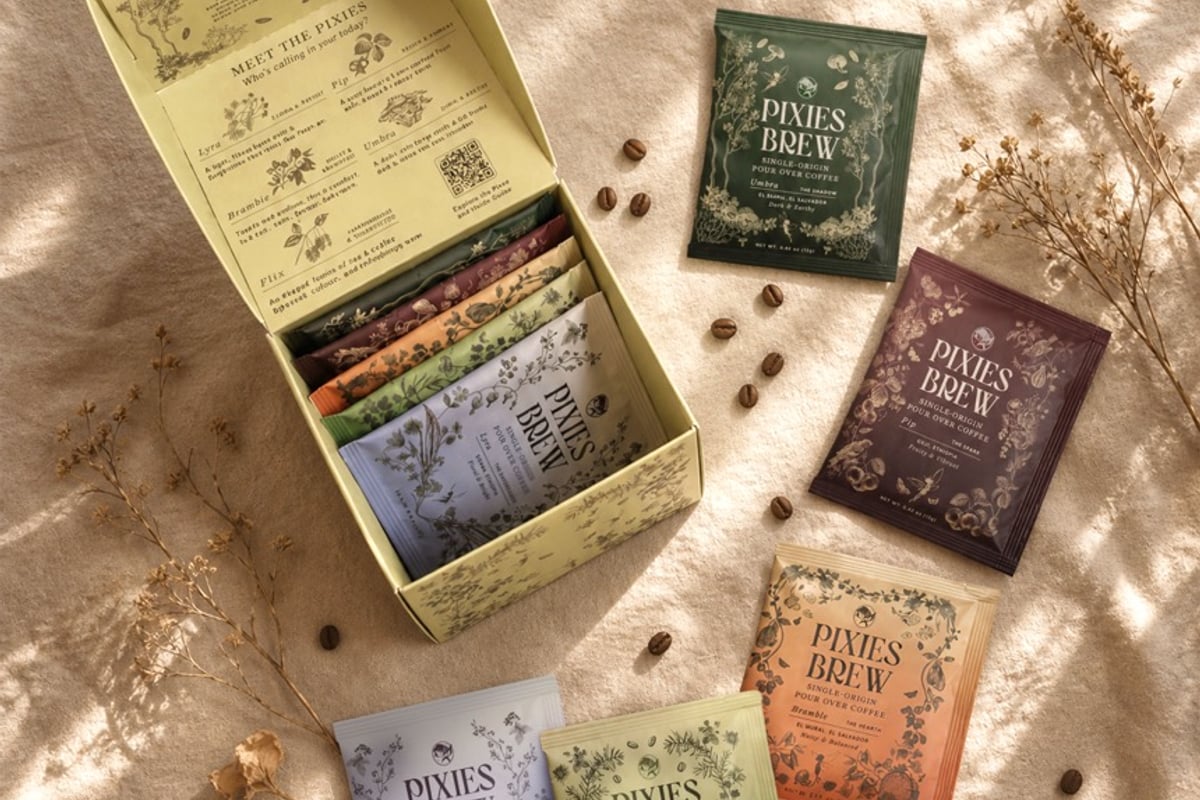
Single-serve sachets represent the pinnacle of this evolution. Each portion is ground, flushed with nitrogen to displace oxygen, and immediately sealed. When you open a sachet, you're the first person to expose those grounds to air. That's functionally equivalent to grinding beans moments before brewing-except someone else did the work.
This matters especially for travel coffee needs where bringing a grinder isn't practical. Quality sachets slip into your bag, survive flight pressure changes, and deliver cafe-quality coffee in hotel rooms or mountain campsites. The ritual becomes portable without sacrificing what makes it special.
Frequently Asked Questions
Can you regrind pre-ground coffee?
Regrinding pre-ground coffee is technically possible but rarely beneficial. It releases remaining aromatics into the air before brewing, creates excessive fines that lead to over-extraction, and generally degrades quality. If the grind size doesn't match your brewing method, choose different coffee rather than regrinding.
How long does pre-ground coffee stay fresh?
In sealed, nitrogen-flushed packaging, pre-ground specialty coffee maintains peak flavor for 2-3 months. Once opened, use within one week for best results. Traditional bags without nitrogen flushing start degrading within days of grinding.
Does pre-ground coffee have less caffeine?
No. Grinding doesn't affect caffeine content. What matters is the coffee-to-water ratio and extraction time. Pre-ground coffee contains the same caffeine as whole beans from the same roast.
What's the best ratio for pre-ground coffee?
Start with 1:16 (1 gram coffee to 16 grams water) for pour-over. This means 15g coffee to 240g water for a standard cup. Adjust to taste-more coffee for strength, less for lighter body.
Why does my pre-ground coffee taste bitter?
Bitterness usually indicates over-extraction. Try coarser grounds (if choosing new coffee), cooler water, or faster brew time. Clean equipment is also crucial-old oils create harsh flavors.
Building Your Morning Ritual
The best pre ground coffee is the one that fits seamlessly into your life while delivering the quality you deserve. It's the coffee that makes you pause before that first sip, that creates a moment of calm before the day rushes in.
Some mornings call for the full ritual-weighing beans, grinding fresh, carefully pouring in concentric circles. Other mornings need simplicity without sacrifice. Both deserve specialty-grade quality. Both can be sacred in their own way.
The Grove teaches us that magic lives in small moments. A sachet torn open, releasing fragrance that fills the room. Hot water meeting grounds, blooming into foam. The first taste that reminds you why you love coffee in the first place.
Quality pre-ground coffee isn't about choosing convenience over excellence. It's about finding excellence that meets you where you are. In 2026, that's finally possible.
Whether you're brewing at home, packing for camping, or seeking coffee for your morning commute, the ritual remains the same: pause, pour, savor. Let the coffee be your anchor. Let the moment be enough.
Finding the best pre ground coffee means understanding what you value-convenience, freshness, flavor, ritual-and choosing options that honor all of them. When specialty roasters apply care to every step from farm to sachet, pre-ground coffee becomes not a compromise but a different path to the same destination: a moment of pause in your day. If you're seeking that perfect balance of quality and ease, Pixies Brew offers specialty-grade sachets designed for exactly this purpose-delicate packets that deliver more than caffeine, creating space for reflection with every pour.
