


Speciality Coffee Roasters: Craft, Care, and Quality
The world of speciality coffee roasters begins with a simple truth: not all coffee is created equal. These dedicated artisans transform green coffee beans into the nuanced, flavorful experiences that elevate your morning ritual from routine to remarkable. In 2026, as specialty coffee consumption remains at record highs, understanding what sets these roasters apart helps you appreciate every sip and choose coffee that truly resonates with your palate and values.
The Heart of Speciality Coffee Roasting
Speciality coffee roasters occupy a unique space in the coffee industry, somewhere between science and art, between commerce and craft. These professionals don't just roast beans; they coax out flavors that farmers spent months cultivating, honoring the terroir of distant hillsides and the careful processing methods that preserved each bean's potential.
The term "specialty" itself carries weight. According to the Specialty Coffee Association, specialty-grade beans must score 80 points or higher on a 100-point scale, evaluated by certified Q Graders who assess everything from aroma to aftertaste. This rigorous standard means speciality coffee roasters work exclusively with the top tier of global coffee production, usually representing less than 10% of the world's coffee crop.
What Sets Them Apart
Traditional commodity coffee roasters prioritize consistency and volume, often blending beans from multiple origins to achieve a uniform profile year-round. Speciality coffee roasters take the opposite approach. They celebrate the distinct characteristics of single origins, highlighting what makes Ethiopian Yirgacheffe different from Colombian Huila or Guatemalan Antigua.
Key differentiators include:
- Transparent sourcing with direct relationships to farms and cooperatives
- Small-batch roasting that allows precise control over each roast profile
- Freshness commitment with beans roasted to order or within days of shipping
- Seasonal offerings that reflect harvest cycles rather than fighting them
- Education focus helping customers understand what they're tasting and why
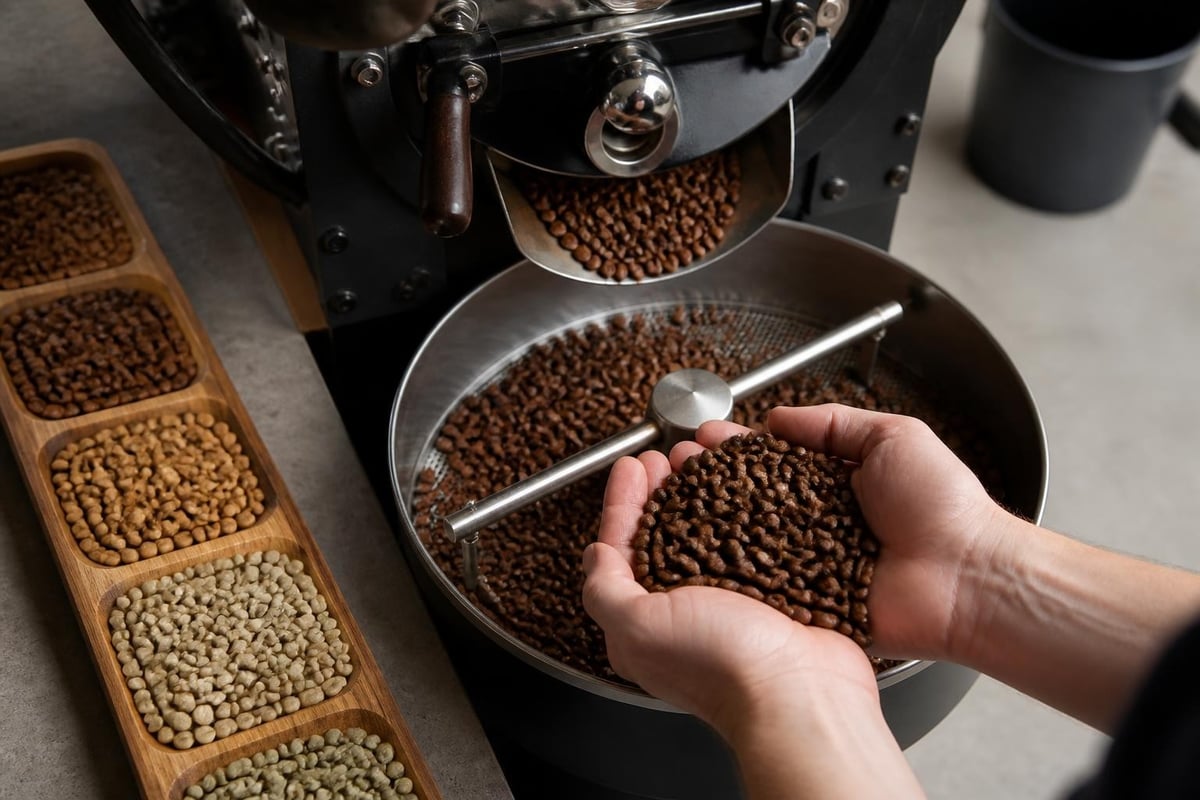
The difference extends beyond the beans themselves. Speciality coffee roasters often invest heavily in equipment, training, and quality control. A single commercial roaster can cost upwards of $50,000, and many small roasters spend years apprenticing before launching their own operations.
The Sourcing Philosophy Behind Quality Beans
Walk into a speciality coffee roaster's facility, and you'll likely find charts documenting the journey of each coffee they offer. This traceability reflects a fundamental shift in how the industry operates. Rather than purchasing coffee through anonymous commodity markets, speciality coffee roasters build relationships.
Direct trade and relationship coffee models allow roasters to work directly with producers, often visiting farms during harvest seasons. This connection serves multiple purposes. Roasters gain insight into farming practices, processing methods, and the challenges growers face. Farmers receive feedback on how their coffee performs when roasted and brewed, along with fair compensation that reflects quality rather than just volume.
| Sourcing Model | Relationship Depth | Price Transparency | Quality Control |
|---|---|---|---|
| Commodity Market | None | Low | Variable |
| Fair Trade Certified | Indirect | Medium | Baseline standards |
| Direct Trade | High | High | Customized |
| Relationship Coffee | Very High | Complete | Collaborative |
The numbers tell a compelling story about changing priorities. While 2025 presented challenges for specialty coffee, including record-high green coffee prices, roasters remained committed to quality sourcing even as margins tightened.
Seasonality and Limited Releases
Speciality coffee roasters embrace seasonality rather than fighting it. Coffee, like wine, reflects its growing season. A Panama Geisha from the 2026 Boquete harvest will taste different from the 2025 crop, influenced by rainfall patterns, temperature variations, and processing decisions made that specific year.
This seasonal reality creates opportunities for limited releases and microlots. Small batches of exceptional coffee, sometimes just a few bags from a specific section of a farm, become available briefly before selling out. These offerings excite coffee enthusiasts who appreciate exploring specialty coffee through diverse flavor experiences.
The Roasting Process: Where Science Meets Intuition
Inside the roasting room, green coffee beans arrive dense and grassy-smelling, holding potential rather than expressing it. The roaster's job involves applying heat in carefully controlled ways, triggering chemical reactions that develop flavor, aroma, and body.
The Maillard reaction, the same process that browns bread and sears steaks, creates hundreds of flavor compounds as sugars and amino acids interact under heat. Caramelization adds sweetness and complexity. Eventually, if roasting continues long enough, pyrolysis begins, creating darker, smokier flavors.
Roast Profiles and Flavor Development
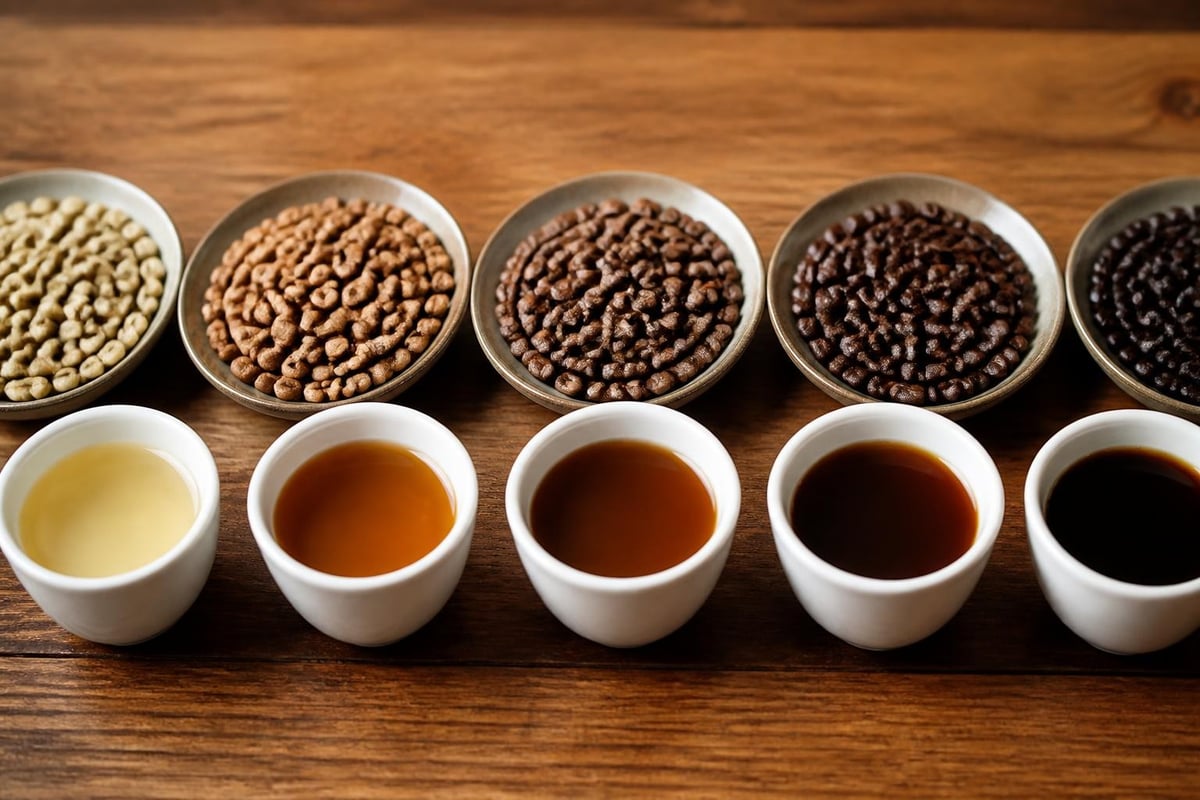
Speciality coffee roasters develop unique roast profiles for each coffee they work with. A naturally processed Ethiopian coffee might need gentle heat application to preserve delicate floral notes, while a Brazilian pulped natural could handle more aggressive development to emphasize chocolate and nut characteristics.
Factors roasters manipulate include:
- Charge temperature - the drum temperature when beans drop in
- Heat application rate - how quickly temperature rises
- Development time - duration after first crack until roast ends
- Cooling speed - how rapidly beans stop cooking after exiting the drum
- Airflow patterns - managing smoke and chaff removal
Modern speciality coffee roasters often use software to track these variables, creating reproducible results while leaving room for subtle adjustments based on bean density, moisture content, and ambient conditions. This attention to detail explains why best pour-over experiences often start with carefully roasted beans.
Challenges Facing Today's Speciality Coffee Roasters
The romance of small-batch roasting meets harsh economic realities. In 2026, speciality coffee roasters navigate complex challenges that test both their business acumen and commitment to quality. Green coffee prices reached unprecedented levels in 2025, with some origins doubling in cost compared to previous years.
Climate change affects coffee-growing regions worldwide, creating unpredictability in crop yields and quality. Traditional growing regions face temperature increases that push ideal coffee cultivation to higher elevations, while rainfall patterns shift unexpectedly. These changes ripple through the supply chain, affecting both availability and pricing.
Beyond raw materials, speciality coffee roasters confront operational pressures. Rising labor costs, increased rent in urban areas where many roasters locate, and competition from larger players with deeper pockets all squeeze margins. Data-driven decision-making has become essential for survival, yet many small roasters lack the tools or expertise to leverage financial data effectively.
Adapting to Market Shifts
Consumer preferences continue evolving. While 47% of American adults consumed specialty coffee daily in 2026, according to the Specialty Coffee Association, this growth brings new expectations. Coffee drinkers want convenience alongside quality, sustainability documentation, and diverse flavor experiences.
Some speciality coffee roasters have shifted away from microlots as financial pressures mount, seeking stability in larger, more affordable lots. Others double down on differentiation, betting that educated consumers will pay premiums for exceptional, traceable coffee.
The subscription economy has transformed how roasters reach customers, requiring new skills in marketing, fulfillment, and customer retention. Social media demands content creation capabilities that have nothing to do with roasting prowess but everything to do with business viability.
How Speciality Roasters Navigate Supply Chain Volatility
Uncertainty has become the only constant in coffee supply chains. Navigating volatility requires strategies that balance quality commitments with business sustainability.
Forward contracting helps roasters lock in prices and secure supplies months in advance. By committing to purchase specific lots during or shortly after harvest, roasters gain price protection while providing farmers with guaranteed buyers. This approach requires capital and confidence in sales forecasts, resources not all small roasters possess.
Risk management strategies include:
- Diversifying origin portfolios to spread geographic and climate risks
- Building relationships with multiple importers and exporters
- Maintaining larger green coffee inventories when financially feasible
- Adjusting roast offerings based on availability rather than fixed menus
- Transparent communication with customers about pricing and availability changes
Some speciality coffee roasters explore innovative solutions like participating in coffee futures markets, collaborating with other roasters to share shipping containers and reduce costs, or partnering with farms on long-term development projects that improve quality and yield simultaneously.
The Consumer Connection: Education and Experience
Speciality coffee roasters recognize that their success depends on educated, engaged customers who understand and value what differentiates specialty from commodity coffee. This drives extensive educational efforts, from tasting events and brewing workshops to detailed information on packaging and websites.
The best roasters tell stories. They share the narrative of Farmer Juan in Colombia who implemented new fermentation techniques, or the washing station in Ethiopia that pioneered carbonic maceration processing. These stories transform coffee from a generic commodity into a product with history, personality, and human connection.
Tasting rooms and cafes serve as direct touchpoints where roasters can guide customers through sensory experiences. Cupping sessions, where multiple coffees are tasted side-by-side using standardized protocols, demystify professional evaluation methods and help consumers develop their palates.
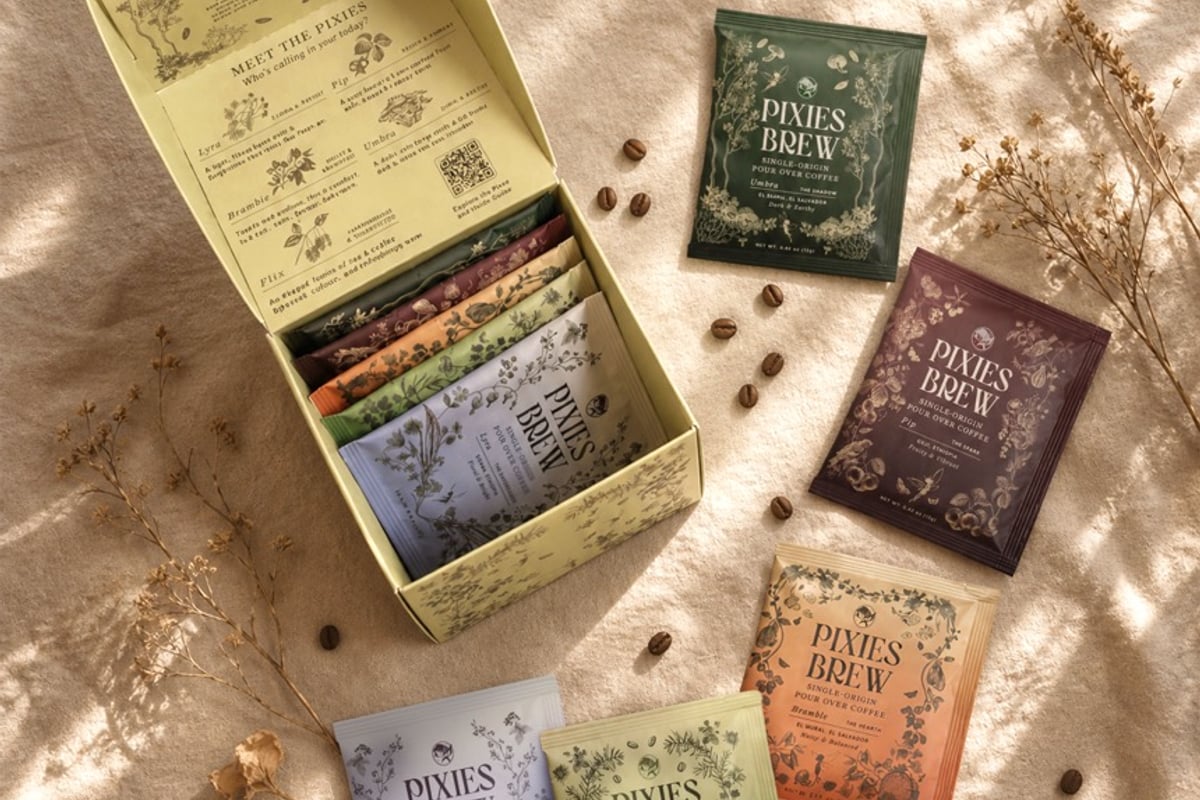
For customers seeking convenience without sacrificing quality, innovations in packaging and brewing methods expand accessibility. Nitrogen-flushed packaging preserves freshness, while single-serve options like pour-over sachets make specialty coffee approachable for those without extensive brewing equipment.
The Pixies Brew Discovery Set exemplifies this philosophy, offering specialty-grade coffee in convenient sachets that require only a cup and hot water, making the ritual accessible whether you're at home or traveling.
Looking Forward: Trends Shaping the Industry
As we move deeper into 2026, several trends are reshaping how speciality coffee roasters operate and connect with consumers. Sustainability moves from marketing buzzword to operational imperative, with roasters investing in compostable packaging, carbon-neutral shipping, and regenerative agriculture partnerships.
The specialty coffee market expansion continues, driven by consumers seeking café-quality experiences at home. This growth attracts new entrants, intensifying competition while expanding the overall market.
Technology integration accelerates. Data-driven frameworks that combine demand forecasting with supply chain optimization help roasters balance freshness, cost, and environmental impact. Some roasters experiment with blockchain for traceability, while others leverage AI to optimize roast profiles.
The Personalization Movement
Coffee drinkers increasingly seek personalized experiences tailored to their preferences, schedules, and values. Subscription services offer customization, while quiz-based matching helps consumers discover coffees aligned with their taste preferences. Whether you connect with Bramble's hearth warmth, Flux's energetic blur, or another profile entirely, personalization creates meaningful connections.
Speciality coffee roasters who thrive in this environment combine traditional craft with modern business practices, maintaining quality standards while adapting to changing consumer needs and market conditions.
Frequently Asked Questions
What makes specialty coffee different from regular coffee?
Specialty coffee scores 80+ points on a 100-point quality scale and typically comes from specific farms or regions rather than generic blends. Speciality coffee roasters highlight these beans' unique characteristics through careful roasting and transparent sourcing.
How fresh should specialty coffee be?
Most speciality coffee roasters recommend consuming coffee within 2-4 weeks of the roast date for optimal flavor. Beans continue developing flavors for a few days after roasting, hitting their peak around 7-14 days post-roast.
Why does specialty coffee cost more?
Higher prices reflect superior bean quality, fair farmer compensation, small-batch roasting, and freshness guarantees. The top 10% of coffee that qualifies as specialty commands premium prices throughout the supply chain.
How should I store specialty coffee?
Keep beans in an airtight container away from light, heat, and moisture. Avoid the refrigerator or freezer for daily coffee, as condensation damages beans. Buy quantities you'll use within 2-3 weeks.
Can I make specialty coffee without expensive equipment?
Absolutely. While espresso machines cost thousands, excellent specialty coffee comes from simple methods like pour-over, French press, or single-serve sachets that require only hot water and a cup.
The journey through speciality coffee roasters reveals an industry built on passion, precision, and human connection, where every decision from farm to cup reflects values and craft. Whether you're drawn to single-origin explorations or seeking that perfect daily ritual, understanding what makes specialty coffee special enriches every sip. Pixies Brew brings this specialty-grade experience into accessible moments, offering carefully crafted blends in nitrogen-flushed sachets that preserve freshness while requiring nothing more than your intention and hot water.
